



Close Menu
TheHub.news

    AfroTech Conference to Return to Texas Next Month for Its 10th Anniversary

    By Veronika Lleshi

    Did You Know Activist Fannie Lou Hamer Was Born on This Day?

    By Shayla Farrow

    “We Belong Here” Is a Reminder That Black Women Excel in Volleyball

    By FirstandPen

    Subscribe to Updates

    Get the latest creative news from FooBar about art, design and business.

    X (Twitter) Instagram YouTube
    X (Twitter) Instagram YouTube
    TheHub.news
    Support Our Work
    • Home
    • Our Story
      • News & Views
        • Politics
        • Injustice
        • HBCUs
        • Watch
      • Food
        • Cuisine Noir
        • soulPhoodie
      • Passport Heavy
      • Travel
      • Diaspora
      • This Day
      • Entertainment
      • History
      • Art
      • Music
    • Health
    • Money

      Cashflow Coach: I Planted a Money Tree!

      August 4, 2026

      Breaking Down the 2 Different Types of Income

      July 7, 2026

      Black Americans Are Already Living Through a Recession

      July 6, 2026

      You Must Be an Owner to Win 

      June 23, 2026

      Economic Empowerment Has Always Been a Part of Black History

      February 12, 2026
    • Books
    • Business
    • Sports
      1. First and Pen
      2. View All

      “We Belong Here” Is a Reminder That Black Women Excel in Volleyball

      October 5, 2026

      DHS Shamelessly Uses Brian Dawkins Footage Without Permission to Tout Fear

      September 30, 2026

      Carlan Gay Traveled the World to Build a Sports Career Very Few Are Built to Forge

      September 25, 2026

      Texans’ Aziz Al-Shaair Shows How Humanity Can Exist in Sports

      September 22, 2026

      “We Belong Here” Is a Reminder That Black Women Excel in Volleyball

      October 5, 2026

      DHS Shamelessly Uses Brian Dawkins Footage Without Permission to Tout Fear

      September 30, 2026

      Carlan Gay Traveled the World to Build a Sports Career Very Few Are Built to Forge

      September 25, 2026

      Texans’ Aziz Al-Shaair Shows How Humanity Can Exist in Sports

      September 22, 2026
    • Tech
    • Podcasts
      1. Karen Hunter is Awesome
      2. Lurie Breaks it Down
      3. Human(ing) Well with Amber Cabral
      4. Financially Speaking
      5. In Class with Carr
      6. View All

      AfroTech Conference to Return to Texas Next Month for Its 10th Anniversary

      October 6, 2026

      Did You Know Activist Fannie Lou Hamer Was Born on This Day?

      October 6, 2026

      “We Belong Here” Is a Reminder That Black Women Excel in Volleyball

      October 5, 2026

      Haiti’s 4-1 Win Over the Dominican Republic Ends With a Stadium Ban

      October 5, 2026

      AfroTech Conference to Return to Texas Next Month for Its 10th Anniversary

      October 6, 2026

      Did You Know Activist Fannie Lou Hamer Was Born on This Day?

      October 6, 2026

      “We Belong Here” Is a Reminder That Black Women Excel in Volleyball

      October 5, 2026

      Haiti’s 4-1 Win Over the Dominican Republic Ends With a Stadium Ban

      October 5, 2026

      AfroTech Conference to Return to Texas Next Month for Its 10th Anniversary

      October 6, 2026

      Did You Know Activist Fannie Lou Hamer Was Born on This Day?

      October 6, 2026

      “We Belong Here” Is a Reminder That Black Women Excel in Volleyball

      October 5, 2026

      Haiti’s 4-1 Win Over the Dominican Republic Ends With a Stadium Ban

      October 5, 2026

      AfroTech Conference to Return to Texas Next Month for Its 10th Anniversary

      October 6, 2026

      Did You Know Activist Fannie Lou Hamer Was Born on This Day?

      October 6, 2026

      “We Belong Here” Is a Reminder That Black Women Excel in Volleyball

      October 5, 2026

      Haiti’s 4-1 Win Over the Dominican Republic Ends With a Stadium Ban

      October 5, 2026

      AfroTech Conference to Return to Texas Next Month for Its 10th Anniversary

      October 6, 2026

      Did You Know Activist Fannie Lou Hamer Was Born on This Day?

      October 6, 2026

      “We Belong Here” Is a Reminder That Black Women Excel in Volleyball

      October 5, 2026

      Haiti’s 4-1 Win Over the Dominican Republic Ends With a Stadium Ban

      October 5, 2026

      Black Girl Vitamins’ New Podcast Is Creating Space for the Health Conversations Black Women Deserve

      September 30, 2026

      In Class with Carr: “Cross Colors”

      September 29, 2026

      In Class with Carr: Whose Labor? Which Stories?

      September 7, 2026

      In Class with Carr: King Me: Africana Governance and Purpose in a Changing World

      August 31, 2026
    TheHub.news
    Politics

    SCOTUS Is at It Again: How They Just Handcuffed Voting Rights Advocates

    By Danielle BennettJune 25, 20265 Mins Read
    Share Email Copy Link
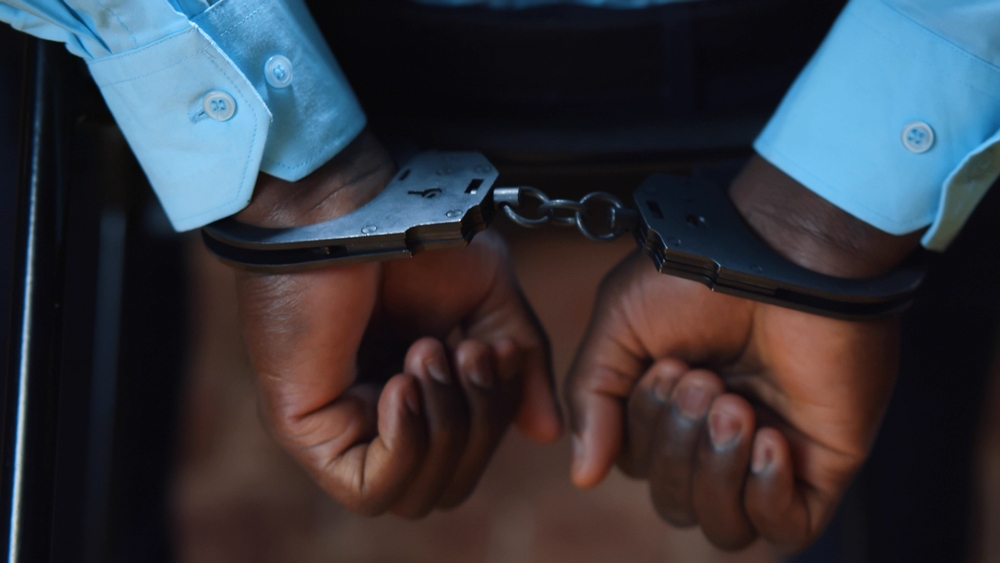
    Image credit: ShutterStock
    Share
    Facebook Twitter LinkedIn Email Copy Link Threads

    So, the Supreme Court is back at it, and this time, they continue to chip away at the cornerstone of the Voting Rights Act. 

    They just allowed a ruling to stay in place that strips advocacy groups of their power to enforce Section 208—the very rule that guarantees voters with disabilities or reading barriers the right to get help.

    If someone needs an interpreter or a helping hand from someone they trust at the polls, the road has just gotten terrifyingly bumpy. 

    According to reports from NPR, on Monday, the high court decided not to take up a lawsuit from Arkansas, effectively allowing a previous ruling from an appeals panel in 2025 to remain in place. This outcome is pivotal because it strips away a crucial safeguard that had been in place to protect minority voters from discrimination in seven predominantly Midwestern states, including Arkansas, Iowa, Minnesota, Missouri, Nebraska, North Dakota and South Dakota. 

    The ruling specifically addressed Section 208 of the Voting Rights Act, which traditionally empowered private individuals and organizations to sue in order to ensure that voters with disabilities or those who struggle with reading and writing can receive assistance from someone of their choice while casting their ballots. 

    This latest move by the Supreme Court comes less than two months after its conservative supermajority dropped a major ruling that further weakened the Voting Rights Act, a decision that paved the way for a wave of redistricting efforts to erupt across the country, clearly signaling that states could now redraw district lines with even less oversight.  

    For decades, the enforcement of sections like these of the Voting Rights Act has largely relied on private citizens and groups that have stepped up to file lawsuits when they observe unfair voting practices.

    This grassroots approach has been crucial in challenging discriminatory laws and ensuring that the rights of voters are protected, but a shift occurred in 2021 when Conservative Justice Neil Gorsuch raised eyebrows by questioning whether individuals had the standing to sue under this pivotal law. Following his remarks, several Republican officials across the country have seized upon this idea, proposing a new legal interpretation that suggests only the U.S. attorney general should have the authority to initiate lawsuits related to these sections. 

    If this interpretation gains traction, it could drastically limit the number of voting rights lawsuits filed because the Justice Department is often constrained by resources and fluctuating political priorities: they simply cannot match the proactive efforts of private citizens and advocacy groups. 

    The case the justices chose not to hear was brought by Arkansas United, an immigrant advocacy group that has provided Spanish-language interpreters at polling places to help voters who struggle with English. The group challenged an Arkansas law that prevents anyone who isn’t a poll worker from helping more than six voters with their ballots. 

    In 2022, a federal judge decided that this state law goes against Section 208 of the Voting Rights Act, but after state officials from the GOP appealed the decision, a panel from the 8th Circuit ruled last year that private organizations like Arkansas United do not have the right to file this type of lawsuit.

    The 8th U.S. Circuit Court of Appeals is the only federal appeals court to upend decades of precedent by ruling that private individuals and civil rights organizations lack a “private right of action” to sue under Section 2 of the Voting Rights Act, per Democracy Docket, a digital platform dedicated to tracking, analyzing and reporting on voting rights, election law and democracy-related litigation in the United States.

    The brief and unsigned decision, devoid of any dissenting votes that the high court released didn’t explain why the conservative justices decided against reviewing the 8th Circuit’s ruling in the Arkansas case, but NPR highlighted an interesting angle: Republican leaders in Arkansas pointed out in a court document from last month that no other federal appeals court has weighed in on whether private groups and individuals can actually sue under Section 208. They argued that this lack of conflicting rulings means there’s no real disagreement among the appeals courts for the Supreme Court to jump in and settle the matter. 

    Essentially, they’re saying there’s nothing for the highest court to clarify since everyone is on the same page – or at least that’s how they see it. 

    The Supreme Court’s decision not to take a swing at the Arkansas case on Monday has left what remains of the Voting Rights Act with a staggering blind spot. Surely many of us are left wondering what’s next in this ongoing legal battle for our rights, but the short-term implications are already terrifying. 

    This isn’t just about voters whose native language is Spanish trying to understand and maintain their rights under Section 208. It’s about the erection of an enormous and potentially generations-old barrier that can easily leave many Black voters whose primary language is not English out in the cold, too. 

    These rulings act in tandem to simultaneously limit access and diminish the representational power of our communities with roadblocks that will disenfranchise our voting for decades.

    • Women’s History Month Is Just As Important As Black History Month
    • Sports Must Fight Back Against Arkansas’ Attack on Black History
    • A Voting Rights Act Case Could Quietly Gut Black Representation in Congress
    • NAACP Joins Lawsuit Against Arkansas’ LEARNS Act
    • Little Rock Nine Members Slam Arkansas’ AP African American Studies Decision
    Mobilize Black Voters Thehub.news Voter Rights voters
    Danielle Bennett
    • Instagram

    Danielle Bennett, a hairstylist of 20 years, is the owner of The Executive Lounge, a hair salon that caters to businesswomen, located in the Chelsea neighborhood of New York City. She specializes in natural hair care, haircuts, color, hair weaving and is certified in non-surgical hair replacement. Danielle partners with her clients to provide customized services, while she pampers them with luxury products and professional, private accommodations. “The Executive Lounge is your home away from home; it is a tranquil, modern sanctuary where you matter. Your time is valued and your opinion counts. Why? Because you deserve it.” - Danielle Bennett

    Related Stories

    While Y’all Were Arguing About Monkeys and Halftime Shows, Trump and His Goons Were Figuring Out How to Control Your Vote

    February 10, 2026

    Millions Head to the Polls as Key Races Shape America’s Political Future

    November 4, 2025

    International Students Being Told to ‘Self-deport’ As Visas Are Revoked

    April 21, 2025

    Sen. Chris Van Hollen Meets Kilmar Abrego Garcia As Major Court Ruling Shakes Immigration Policy

    April 18, 2025

    Trump Announces Pause on Tariffs, Increased Duties Imposed on China

    April 10, 2025

    Over 1 Million New Yorkers Vote Early, Harris Continues Campaign

    November 4, 2024
    Recent Posts
    • AfroTech Conference to Return to Texas Next Month for Its 10th Anniversary
    • Did You Know Activist Fannie Lou Hamer Was Born on This Day?
    • “We Belong Here” Is a Reminder That Black Women Excel in Volleyball
    • Haiti’s 4-1 Win Over the Dominican Republic Ends With a Stadium Ban
    • Black Workers Are Bearing the Brunt of America’s Weakening Job Market

    AfroTech Conference to Return to Texas Next Month for Its 10th Anniversary

    By Veronika Lleshi

    Did You Know Activist Fannie Lou Hamer Was Born on This Day?

    By Shayla Farrow

    “We Belong Here” Is a Reminder That Black Women Excel in Volleyball

    By FirstandPen

    Haiti’s 4-1 Win Over the Dominican Republic Ends With a Stadium Ban

    By TheHub.news Staff

    Subscribe to Updates

    A free newsletter delivering stories that matter straight to your inbox.

    About
    About

    TheHub.news is a storytelling and news platform committed to telling our stories through our lens. With facts at the center, we document the lived reality of our experience globally—our progress, our challenges, and our impact—without distortion, dilution, or apology.

    X (Twitter) Instagram YouTube

    AfroTech Conference to Return to Texas Next Month for Its 10th Anniversary

    By Veronika Lleshi

    Did You Know Activist Fannie Lou Hamer Was Born on This Day?

    By Shayla Farrow

    “We Belong Here” Is a Reminder That Black Women Excel in Volleyball

    By FirstandPen

    Haiti’s 4-1 Win Over the Dominican Republic Ends With a Stadium Ban

    By TheHub.news Staff

    Subscribe to Updates

    A free newsletter delivering stories that matter straight to your inbox.

    © 2026 TheHub.news A 501(c)(3) tax-exempt organization.

    Type above and press Enter to search. Press Esc to cancel.