



The Genius of Black People
Created by Rev. Dr. Otis Moss III, TheHub.news presents its Black History Month series celebrating the genius of Black people—stories of courage, faith and creativity forged in struggle. Inspired by ancestors like Walter Francis White, this series honors sacred memory and lifts up the divine brilliance shaping justice and resilience today.
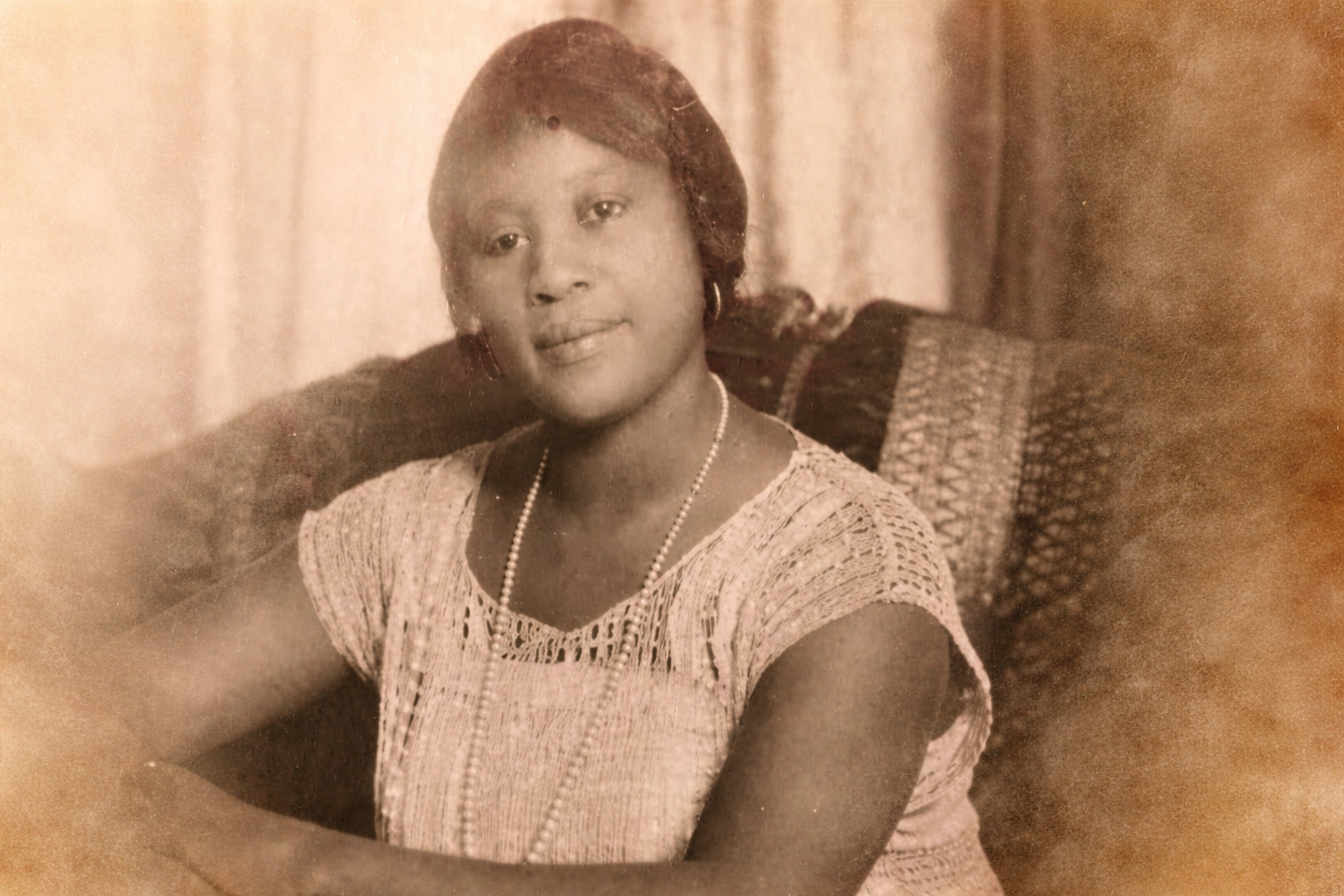
To be young, gifted, Black and rich—Sara Rector was all those things and more. Born near Taft, Oklahoma, on March 3, 1901, she is remembered as America’s first Black female millionaire. Her journey from rural poverty to extraordinary wealth began when, at just 12, the federal government allotted her 160 acres of land as part of the redistribution of Creek Nation lands to Black freedmen and their descendants.
The land Sara received was located in Glenpool, about sixty miles from her family’s home. Initially it seemed a curse rather than a blessing: the soil was considered too poor for farming, and the Rector family struggled to pay the taxes on property that brought in no income. Needing a way to make the land useful and cover those taxes, they leased it to the Standard Oil Company. In 1913, a test well struck an enormous reservoir, gushing more than 2,000 barrels of oil a day. Overnight, young Sara was earning about $300 daily—roughly $7,600 in today’s money—making her one of the richest children in the country.
Because she was Black, Native, and a minor, Oklahoma authorities quickly placed her estate under the supervision of white guardians, a common practice that often led to exploitation. National newspapers seized on her story. Some questioned whether a Black girl should control such wealth; others marveled at her sudden rise and labeled her an “oil princess.” Civil rights leaders and Black newspapers watched closely, demanding that her fortune be managed fairly and used as a symbol of Black economic possibility in Jim Crow America.
In fact, white officials were so uncomfortable with a young Black woman possessing the kind of wealth Sara had that they declared her white on paper. The change in identification also helped them bypass some Jim Crow laws that prohibited her from entering certain spaces, such as traveling in a first-class railroad car because of the color of her skin.
Rector’s wealth continued to grow as additional wells were drilled. Trusts and investments purchased in her name expanded her holdings beyond oil to stocks, bonds and real estate. By her late teens, she reportedly owned a boardinghouse, restaurant and numerous properties in both Oklahoma and Kansas.
Although she was rich and some would argue she didn’t have to work, Rector still sought opportunities to grow. At sixteen, she attended the Tuskegee Institute in Alabama, surrounded by other young, gifted African Americans preparing to shape the new century. She later married twice, raised three sons and remained financially independent until her death in 1967.
Though often reduced to a headline about sudden riches, Sara Rector’s life illuminates a deeper story about race, land and opportunity. To be young, gifted, Black and rich in the early 1900s was revolutionary—and Sara Rector embodied that revolution before she was even old enough to vote.