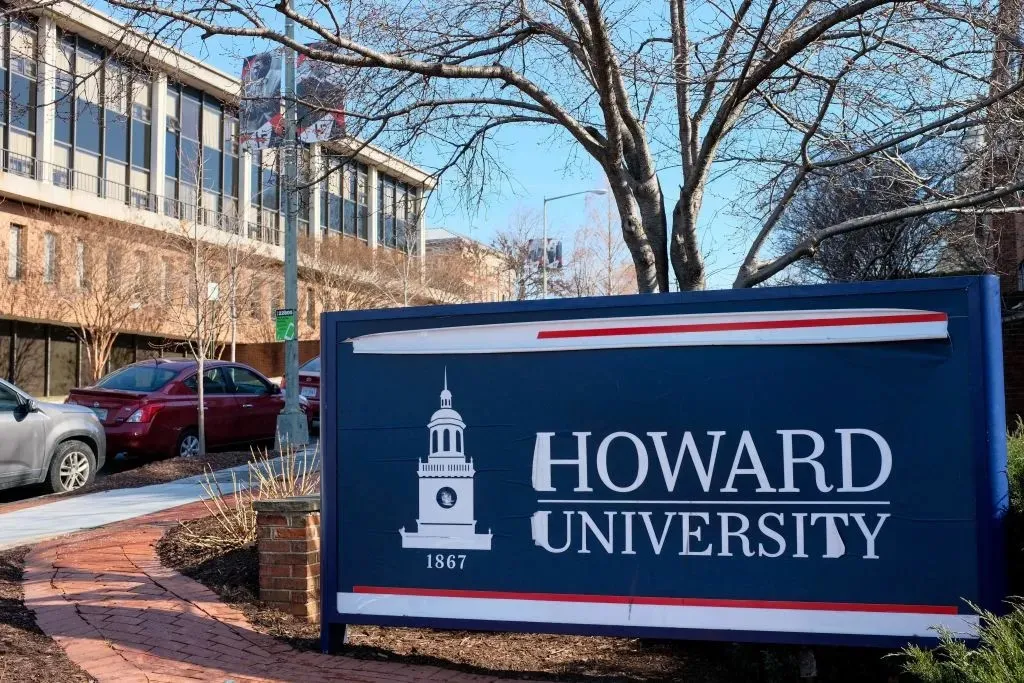







Senator Reverend Raphael Warnock (D-GA) announced additional funding for STEM programs at 10 HBCUs nationwide.
Announced late last week, the award is funded through federal support. The schools will receive approximately $97.1 million. Nearly $10 million will be allocated to Clark Atlanta University alone.
The remaining $87 million will be spread amongst Delaware State University, the University of the District of Columbia, the Florida Agricultural and Mechanical University, Morgan State University, Jackson State University and Fayetteville State University.
The North Carolina Agricultural and Technical State University, Prairie View A&M University and Texas Southern University will also receive funds.
The latest funding addition is part of Senator Warnock’s HBCU Research Capacity Act. Launched earlier this year, the bipartisan bill established a federal clearinghouse that houses all available federal grant opportunities for HBCUs. Since he was elected Senator in 2022, Warnock has provided HBCUs with over $17 billion.
“These institutions serve as stewards of academic excellence and innovation, and this federal investment, specifically in STEM programs, honors that legacy of greatness and expands opportunity for the next generation of scientists,” said Senator Warnock in a public statement. “For too long, HBCUs have gone unrecognized for their contributions to our nation’s leading STEM industry.”
As of 2026, HBCUs remain the primary institutions developing STEM talent for Black students. In a report released at the 2026 National Association of Black Journalists in Atlanta, GA, researchers found that HBCUs awarded approximately 16% of STEM degrees to Black undergraduates. They awarded 10% of Ph.D. S among STEM graduates.
Among Black women, HBCUs educated approximately 20% of those who earned STEM degrees.
Overall, they enrolled 25% of Black students pursuing a STEM bachelor’s degree despite making up just 3% of U.S. colleges.
Investments in HBCU STEM programs aim to increase representation in STEM careers. Although the field has begun to diversify, Black tech workers held only about 8.2% of STEM positions as of 2021.
“Sate, federal and philanthropic leaders must acknowledge that to meet the growing demand for highly skilled STEM professionals in this country,” said executive vice president of research Dr. Walter Kimbrough. “HBCUs are critical to our collective success. This report provides the data across a number of dimensions needed to say emphatically that HBCUs are still punching above their weight.”