





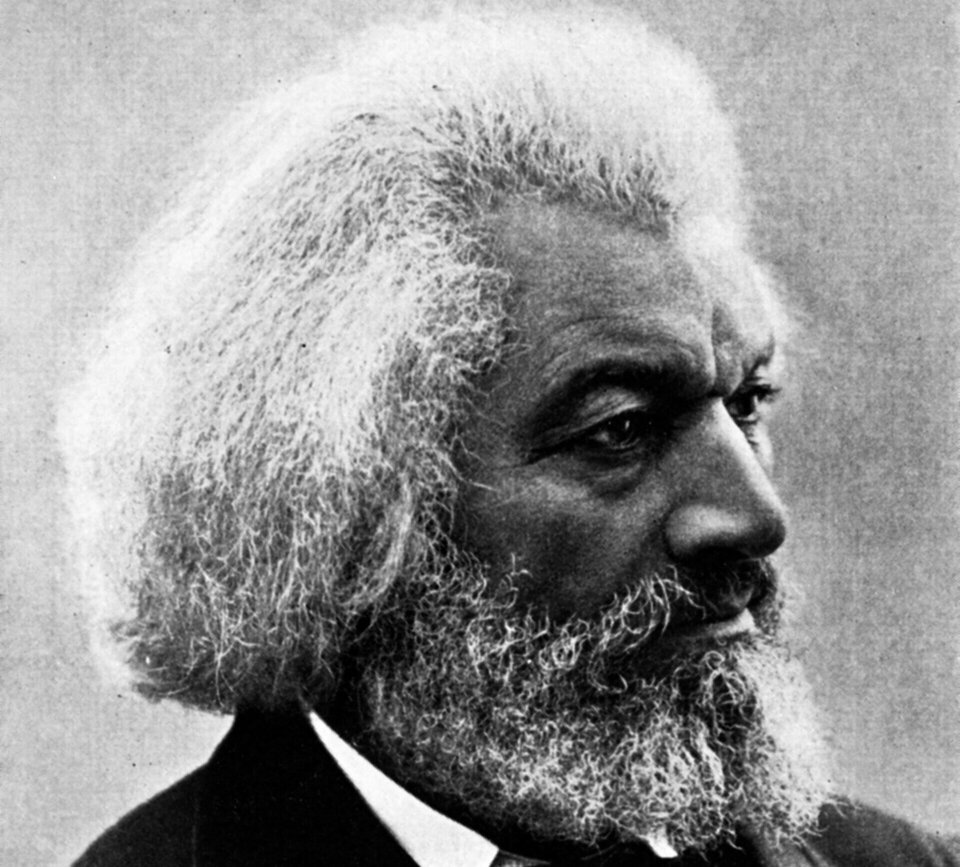
The U.S. House of Representatives has officially renamed its press gallery in honor of abolitionist, adviser and writer Frederick Douglass.
Led by Rep. Byron Donalds, a new sign now denotes the area as the “Frederick Douglass Press Gallery.” Efforts to honor Douglass began with a brainstorming session on how to celebrate American, particularly Black American, history in the Capitol.
Through renaming the press gallery after him, the House is recognizing Douglass’ impact on the history of the chamber. During the Civil War, the abolitionist documented congressional proceedings from the chamber. His writings also helped increase support for the abolition of enslavement.
The latest move to commemorate Douglass was reportedly decided in a bipartisan agreement. Supported by both Democrats and conservatives, the renaming of the press gallery comes amidst increased conversation regarding the teachings of Black history in the U.S. From the beginning of this term, the Trump administration moved to target DEI, eliminating numerous programs across institutions such as universities, businesses and within the government itself.
The administration has also dictated that the Smithsonian Institution change its exhibitions to eliminate “divisive narratives” and essentially sanitize American history or else they would not provide federal money. As of last month, the museum was ordered to provide a list of all its material. Similarly, K-12 schools were instructed to revise their syllabi.
With the campaign to honor Douglass, however, both Democrats and conservatives agreed that it was important that there was bipartisan support.
“I wouldn’t be here if it were not for the desire to want to work across the aisle, to not just recognize our history and culture, but to solve our problems that people face today,” said Rep. Steve Horsford, a Democrat who helped campaign for the renaming alongside Donalds, per AP News.
Born in enslavement on Feb 14, 1818, Douglass valued and viewed education as his pathway to freedom. At the age of 20, he escaped enslavement and traveled North to New York City with his wife Anna. Able to write and read, he gained attention with the publication of his 1845 memoir, “The Narrative of the Life of Frederick Douglass, An American Slave.”
Through his writing, including books and newspaper articles he founded, Douglass advocated for civil rights, such as the abolition of enslavement, and supported women’s rights. During and after Reconstruction, he advocated for equality amongst Black Americans, including the right to vote and the ability to control their own finances.
Throughout his career, Douglass was appointed U.S. Marshal for the District of Columbia and the U.S. Minister Resident and Consul General to the Republic of Haiti. He continued to advocate for civil rights until his death in 1895.