




This Day In History: February 7th
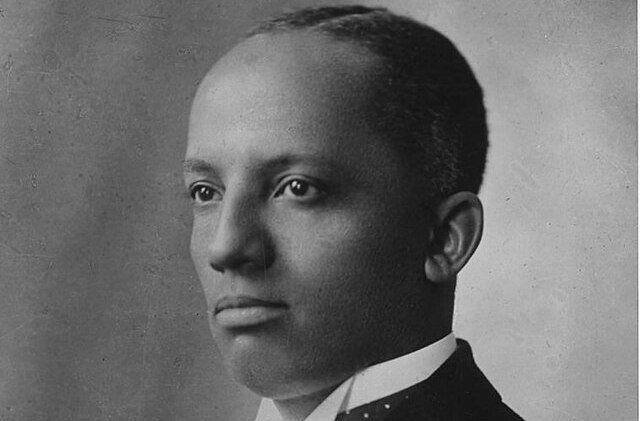
When Carter G. Woodson initiated the celebration of Negro History Week in 1926, he set out to expand the knowledge and study of the African-American community. His work laid the foundation for what is now known as Black History Month.
Woodson built Negro History Week around days that were traditionally celebrated by the African-American community. Both Frederick Douglass and Abraham Lincoln were two figures who were born in February and were highly celebrated by African Americans. Woodson used this information to his advantage and began asking the public to extend their study of black history beyond Douglass and Lincoln.
He believed that people as a collective shape history. Therefore, he wanted to shift the focus of the celebration to the entire race. His efforts were met with much acceptance and on February 7, 1926, he launched the first Negro History Week. With its creation, there was an increase in the consumption of African-American literature and culture. Black history clubs developed, teachers began requesting materials to use in the classroom and progressive whites were also trying to support the efforts. Woodson was able to fill the void.
With the week-long celebration gaining popularity, Woodson and the Association for the Study of African American Life and History (ASALH) set out to meet the rise in demand. The organization would establish a theme for the celebration and provide study materials (pictures, lessons for teachers, plays for historical performances, and posters of important dates and people) to individuals requesting information.
Mayors across the nation began to issue Negro History Week proclamations. Despite his initial call for a week-long event, Woodson also urged schools to implement the provided materials in classrooms all year long. He also established a Black studies extension program to educate adults year-round.
With the start of the Civil Rights Movement, there was another spike in interest in black history and culture. More people were also beginning to start their own tradition of celebrating for more than a week. In 1976, Negro History Week was transformed into a month-long celebration with the support of ASALH. Every U.S. president has issued proclamations endorsing the ASALH’s annual theme since the ext