





African cellphone towers are increasingly shifting to solar power as diesel prices continue to rise globally due to the war in Iran.
First reported by ABC News, multiple African countries are shifting to cleaner power options as an alternative to diesel. As of now, diesel powers nearly 500,000 telecommunications towers in the continent. With the increase in global fuel prices, however, the energy source has become expensive and harder to obtain with multiple nations reporting disruptions to supplies.
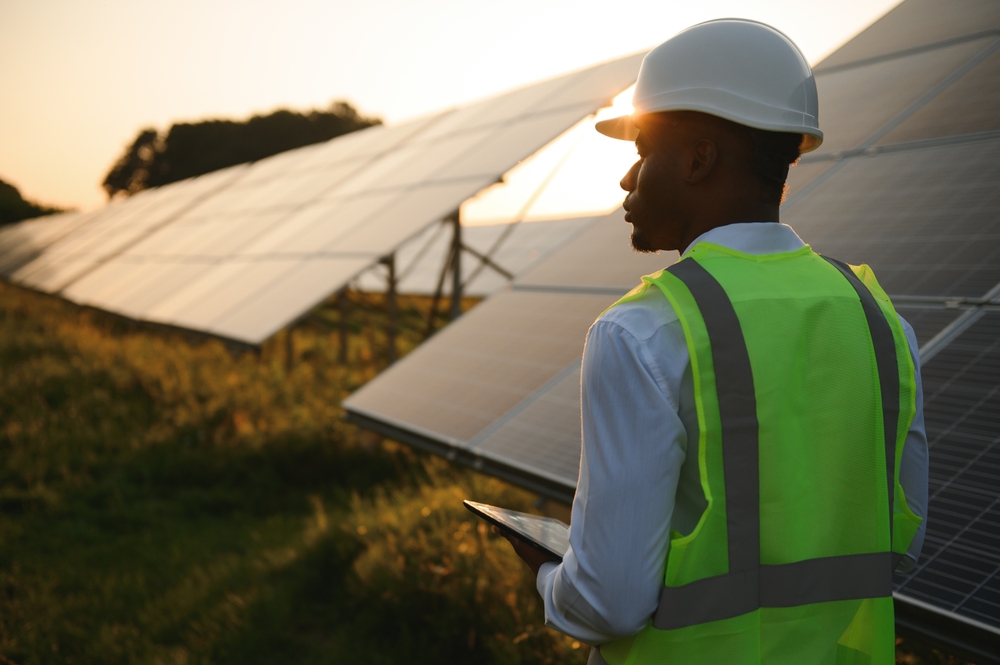
Although the push for cleaner, alternative energy sources has been underway, the war in Iran has accelerated their implementation. Mobile network operators across Africa have adopted new systems incorporating solar panels, battery storage and limited usage of diesels. Eventually, the plan is to incorporate fully solar-powered cellphone towers.
Along with environmental benefits, the move to fully solar-powered cellphone towers is expected to cut costs. Last year, Vodacom Africa reported a 5% increase with their energy costs rising to approximately $300 million.
Through incorporating solar energy sources, fuel spending has reportedly been reduced by approximately 30%. Transitioning to cleaner sources is also expected to provide more consistent connectivity and expand the towers’ reach to include the 65% of people who are currently unconnected, closing the connectivity gap in Africa.
“Diesel has always been a major cost, but recent global events have made it even more volatile. That strengthens the case for solar and hybrid solutions,” said a senior energy specialist, Lande Abudu, per ABC News. “This is no longer just about climate. It’s about resilience, cost and keeping Africa connected.”
However, with the transition to renewable energy sources, experts warn that residents may be exposed to higher lead levels as demand for battery recycling increases. If handled improperly, toxic waste can cause lead exposure. This in turn can have detrimental health impacts, including neurological damage, impediments to cognitive development and limited mobility.
Last year, the United Nations identified lead exposure as an excessive threat in Africa. According to the UN Food and Agriculture Organization, more than 55 million children in Sub-Saharan Africa have blood lead levels exceeding 10 micrograms per deciliter. The rate is approximately twice the levels deemed dangerous by the World Health Organization.
If battery-operated systems are shifting to renewable energy sources, experts predict this rate can increase if waste continues to seep into the land or soil.
“This is a silent threat. It’s often invisible, but it affects health, cognitive development and economic productivity,” said senior research fellow at the Centre for Global Development, Lee Crawfurd, per AP News. “There needs to be accountability across the entire supply chain.”