


Millions of Americans could soon face another hurdle to putting food on the table as the Trump administration pushes to tighten eligibility for federal nutrition assistance.
A new proposal from the U.S. Department of Agriculture could eliminate Supplemental Nutrition Assistance Program (SNAP) benefits for an estimated 6.3 million people, affecting roughly 3.2 million households.
The proposed changes would take effect in fiscal year 2029, potentially removing nearly 18% of current SNAP participants.
At the center of the plan is a policy that helps families receiving certain forms of government assistance qualify for SNAP without undergoing additional eligibility screening.
More than 40 states currently use the policy, known as broad-based categorical eligibility, to connect struggling households with food assistance.
The Trump administration wants to limit that access, particularly for families receiving noncash support through Temporary Assistance for Needy Families, including child care subsidies and employment training.
The USDA maintains the changes would prevent households that exceed traditional income and asset limits from receiving benefits.
Anti-hunger advocates say the consequences could be devastating.
Crystal FitzSimons, president of the Food Research and Action Center, condemned the proposal as “unconscionable.”
The impact could extend well beyond grocery assistance.
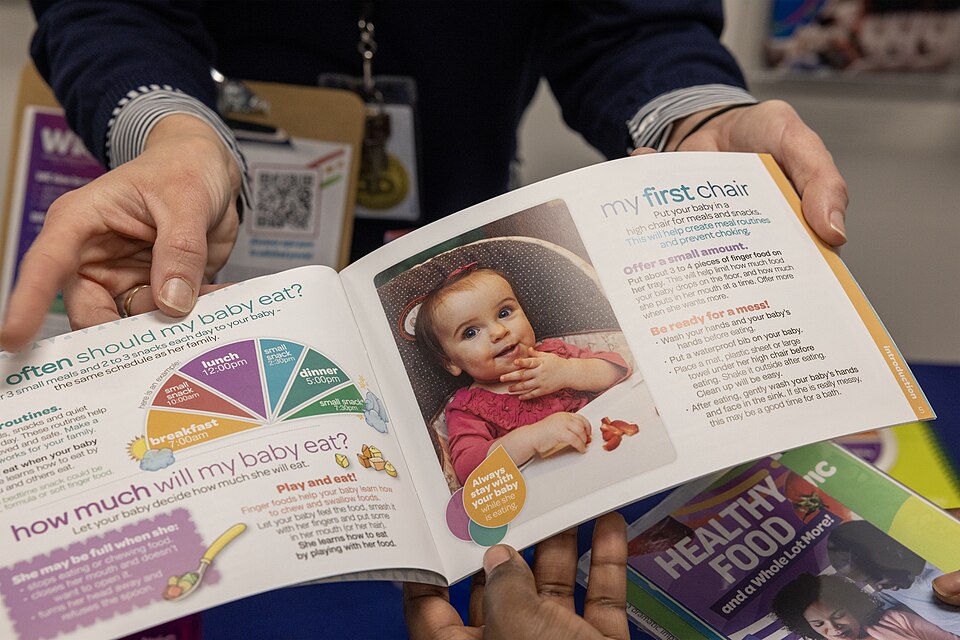
Approximately 1.8 million children could lose automatic access to free school meals, requiring families to complete additional applications to maintain benefits. More than 5,000 people could also lose eligibility for nutrition assistance through the Women, Infants and Children program.
House Agriculture Committee Ranking Member Rep. Angie Craig, blasted the proposed restrictions as “heartless and cruel.”
“Unfortunately, the Trump administration and the outgoing Republican majority in Congress have undermined the program’s integrity at every turn, harming millions of vulnerable Americans in the process,” Craig said.
The proposal remains open for public comment through Dec. 10.