





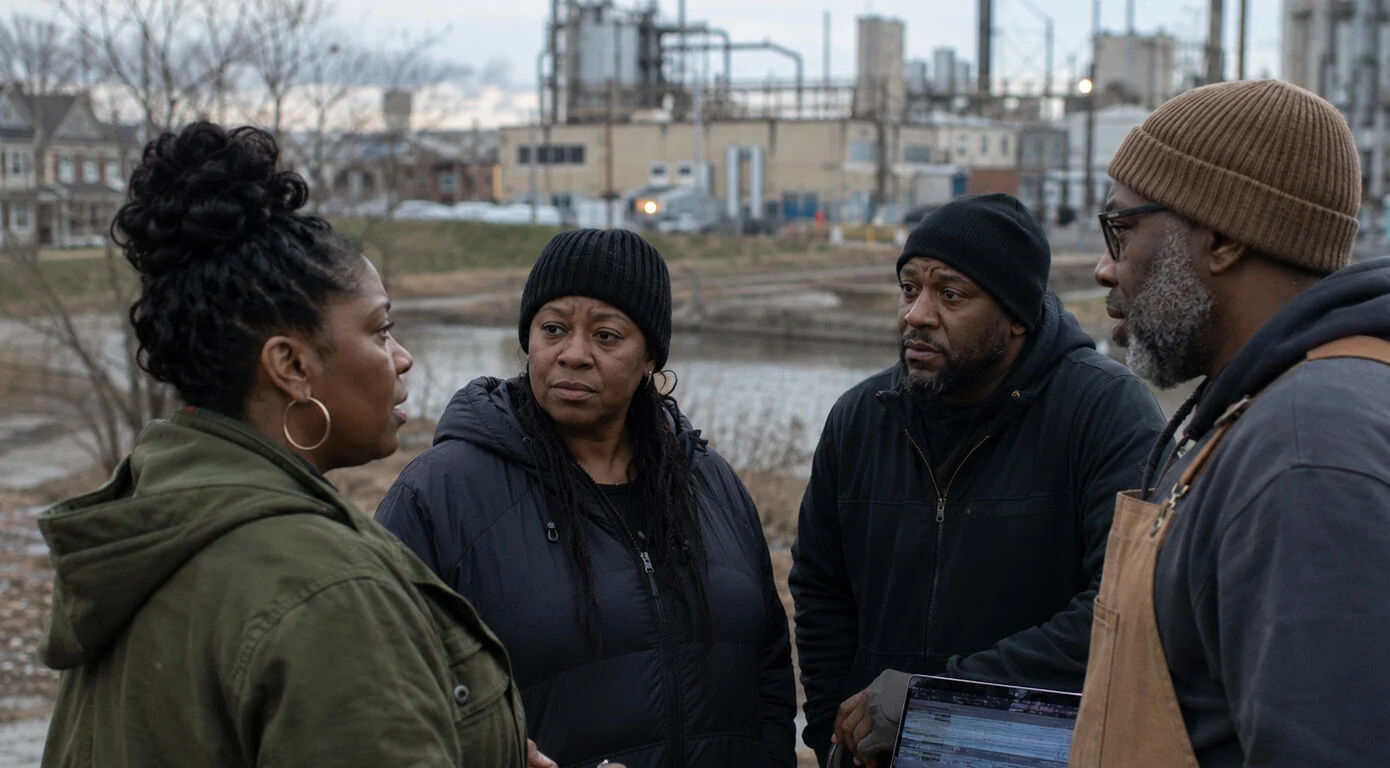
Minnesota will soon be enforcing one of the toughest laws in the country to track PFAS “forever chemicals”. This is a move many in North Minneapolis are championing after suffering years of exposure to industrial pollution. But as the first reporting deadline approaches, community members and local businesses are raising a different concern: whether the state is prepared to deliver on that promise.
There is broad support for addressing PFAS contamination. In communities that have lived with the consequences of environmental harm, the need for accountability was yesterday. What is being questioned is whether the system meant to enforce that accountability is ready.
Minnesota has an uneven track record with large-scale IT rollouts. Its troubled launch of MNLARS in 2017 took years to resolve and cost over $100 million to remedy. More recently, the rollout of the Minnesota DNR Electronic Licensing System left both customers and vendors in the dark, sparking an investigation by the Office of the Legislative Auditor. The state’s e-bike rebate program crashed within minutes of opening.
Now, a new platform known as PRISM is being positioned as the backbone of PFAS reporting. The system is designed to collect detailed chemical data on a vast range of products, many tied to complex, global supply chains. Businesses required to submit that data say the system is not yet functioning reliably enough to support that level of reporting.
The concern is real for retailers, manufacturers, and small businesses in the community. Under the law, companies that fail to report required data could face restrictions on selling products in Minnesota. If the system cannot handle submissions at scale, even companies trying to comply may find themselves shut out of the market. That could disrupt supply chains, limit access to everyday goods, and create uncertainty for workers and small businesses alike.
In communities that have historically borne the brunt of environmental harm, a failed rollout carries additional weight. When policies meant to protect public health fall short in execution, it reinforces a pattern many residents know too well, where promises are made, but results never fully reach the people who need them most.
State leaders have emphasized the importance of moving forward to ensure the law achieves its environmental goals. But others argue that enforcing an arbitrary deadline while the system still flounders risks undermining those same goals, and strains the very communities the law is intended to serve. A year-long reporting extension offers a compromise.
Minnesota’s leadership on PFAS is too important to fall prey to another botched IT rollout. It’s important to pass strong laws, but it’s equally important to make sure those laws work, in practice, at scale, and for everyone.
Lawrence Wright is a member of the DFL African American Caucus.