





The Genius of Black People
Created by Rev. Dr. Otis Moss III, TheHub.news presents its Black History Month series celebrating the genius of Black people—stories of courage, faith and creativity forged in struggle. Inspired by ancestors like Walter Francis White, this series honors sacred memory and lifts up the divine brilliance shaping justice and resilience today.
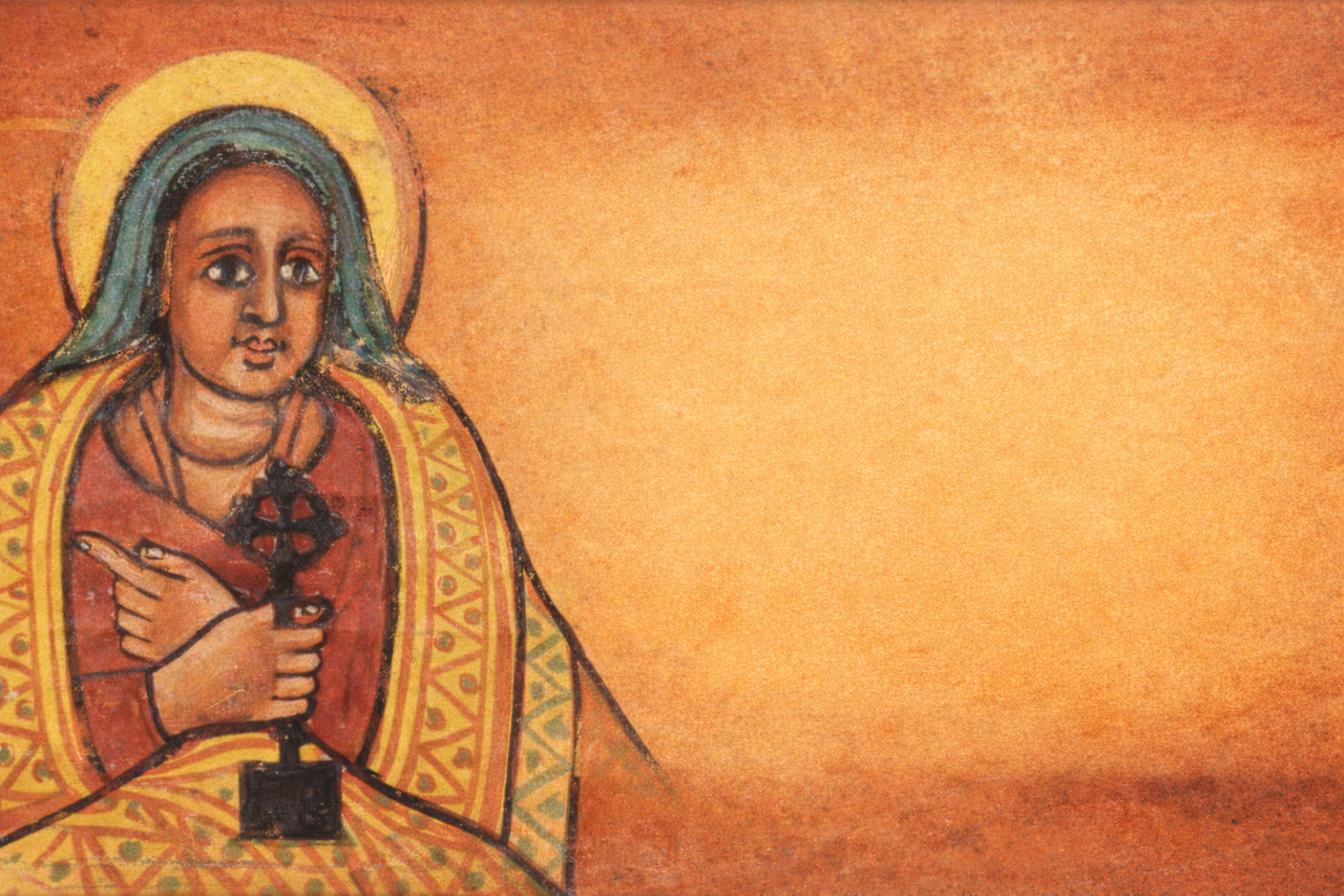
Walatta Petros was a powerful and influential Ethiopian woman of the 17th century. Known for her intelligence, courage and fierce determination, she played a major role in preserving her country’s African Christian beliefs when they were under serious threat. A single, life-altering decision turned her from noblewoman to national resister, and that turning point is what makes her especially remarkable.
Born around 1592 into a wealthy family, Walatta Petros was surrounded by power. Her father and brothers held important government positions, and unlike most girls of her time, she was encouraged to study religious texts and theology. She excelled and became one of the most knowledgeable Christians in Ethiopia, male or female, laying the groundwork for her later leadership.
She was married twice. Her first husband, whom she likely married soon after puberty, was probably murdered by the king not long after their wedding. Her second husband, Malka Krestos, served in the royal court. They had three children, but all died in infancy. In a culture where children signaled blessing and a successful marriage, this was a deep personal and social blow.
It was in this grief-filled period that Walatta Petros reached the turning point of her life. Faced with loss, a strained marriage and a changing nation, she made a radical choice: she left her privileged life to become a nun. Most accounts emphasize that this was her decision, rooted in spiritual conviction. By doing so, she not only renounced comfort and status, she stepped directly into resistance against the king and a foreign-backed Catholic mission.
At that time, the king had converted to Roman Catholicism and ordered his people to follow. Malka Krestos supported this policy, helping to suppress traditionalists. Walatta Petros, disgusted by what she saw as a betrayal of Ethiopian Christianity, traveled the country preaching against Catholicism. She publicly instructed Tawahedo priests not to bless the king during the Divine Liturgy, an act of open defiance that made her an enemy of the state and forced her into repeated flights from persecution. Twice, her ex-husband intervened to save her life.
Walatta Petros was not only a fiery critic but a builder. She founded several religious communities, drawing followers of both sexes at a time when women were rarely recognized as religious leaders. Male authorities challenged her, arguing that scripture forbade such leadership to women. She refused to step aside, inspiring other elite women, including her lifelong companion and fellow nun Eheta Krestos, to join her work.
When Walatta Petros died in 1642, she was honored as a national hero, a woman who walked away from privilege, challenged a king and helped save her church.
Source: Dictionary of African Christian Biography