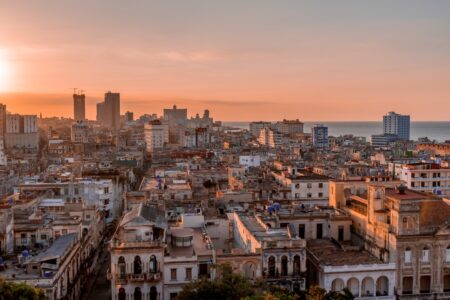




The Trump administration has expanded its sanctions against Cuba, escalating economic pressure on the island at a time of worsening shortages and instability.
President Donald Trump signed an executive order on Friday (May 1) targeting Cuban officials accused of corruption or human rights abuses, along with individuals and entities linked to key sectors of the economy, including energy, defense, mining and finance. The order also extends to foreign banks and companies that do business with sanctioned Cuban entities, potentially completely severing access to U.S. markets.
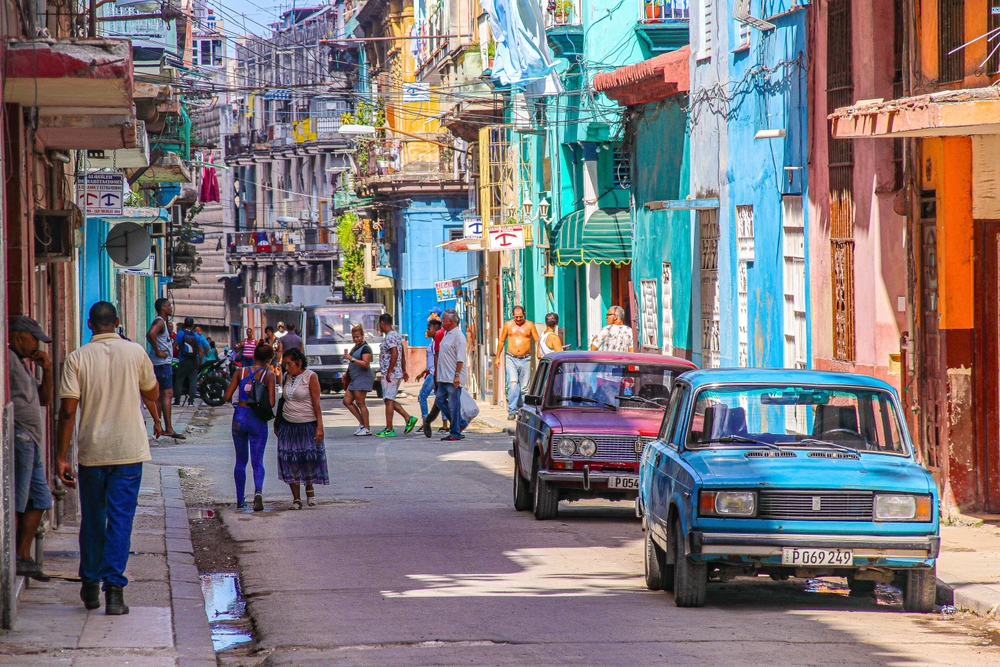
The new measures build on earlier administration efforts to restrict oil shipments to Cuba, including moves to halt exports from Venezuela and to pressure Mexico to limit deliveries which have all contributed to widespread blackouts, transportation disruptions and industrial slowdowns across the country. Some international airlines have suspended flights to the island.
So far in 2026, at least 11 airlines, including Air Canada, Air France and Turkish Airlines, have suspended flights to the island, with some halts described as temporary and others left without a clear timeline for return. At the same time, eight carriers, including American Airlines, Delta Air Lines and Southwest Airlines, continue to operate routes to Cuba, though often with adjusted schedules, technical stopovers or other operational changes tied to fuel constraints. The situation remains fluid, highlighted by a recent move from Air Transat, which suspended flight sales to Cuba from mid-June through October 2026 and issued refunds to passengers, casting further doubt on near-term recovery in travel to the island.

In response to the news, President Miguel Díaz-Canel challenged the U.S. government’s rationale for its actions, rejecting claims that Cuba poses a threat and saying the reasoning is just to hide the country’s desire to sustain pressure on the country.
“When they say we are an extraordinary and unusual threat to the United States — and we are sure that is not how the American people feel, but rather how the U.S. government feels, or the pretext that the U.S. government uses to attack us — one has to ask: What is the threat? What is extraordinary about that threat? What is unusual about that threat, when Cuba is a country of peace?” Díaz-Canel questioned.
Cuba’s ambassador to the United Nations, Ernesto Soberón Guzmán, said the country would not yield to external pressure and that Cuba remained open to dialogue with the U.S. but only on terms that respect sovereignty and independence.
Foreign Minister Bruno Rodríguez slammed the sanctions as illegal and said they risk worsening conditions for ordinary Cubans. The country has long faced a U.S. economic embargo, and recent restrictions have compounded shortages of fuel, food and medical supplies. Cuba imports as much as 80% of all of its food products.
“The new, clear, and direct threat of military aggression issued by the U.S. President—following a drastic tightening of the economic blockade—escalates the aggression against Cuba to dangerous levels, with no pretext other than the desire to appease tiny elites who pledge their electoral and financial loyalty to him,” Rodriguez wrote via X.
Secretary of State Marco Rubio argued that reforms are vital to economic stability and that Cuba’s economic system is ineffective without foreign support. Energy shortages have disrupted hospital operations and limited transportation, while access to essential goods has declined, but Cuba is not alone.
Regional governments have begun organizing a response through the Caribbean Community, which has begun coordinating humanitarian assistance to Cuba. Leaders agreed earlier this year to work with Mexico to supply critical goods that are exempt from U.S. sanctions. The plan includes items such as powdered milk, baby formula, rice, beans, flour and canned foods, as well as basic medical supplies, solar panels, batteries and water storage equipment.
Funding for the effort is expected to come from CARICOM member states, with several governments publicly committing financial support. St. Kitts and Nevis, Grenada, Antigua and Barbuda, and St. Vincent and the Grenadines have pledged a combined $1.3 million, though it remains unclear how much has been disbursed or when shipments will arrive. Other member states have not provided details on their contributions or timelines.
The latest U.S. sanctions could further complicate logistics by increasing financial and legal risks for companies that transport goods to Cuba. Cuban officials have stated that they would accept aid from the United States, but only under conditions that respect the country’s autonomy. Something the U.S. is not prepared or willing to do.

Just last week, President Trump joked about sending a U.S. aircraft carrier “on its way back from Iran” over to Cuba to take possession of the country.
“There is the imminent threat of military aggression,” Díaz-Canel said in response to the veiled threat. “And that is not something we want or desire. Cuba is a country of peace. Cuba champions peace. Yet the government of the United States speaks of war every day, speaks of threats every day, and every day escalates its threatening rhetoric toward Cuba; but the Cuban people are not afraid.”
Trump has made it clear that he plans to “take” Cuba before his term ends.