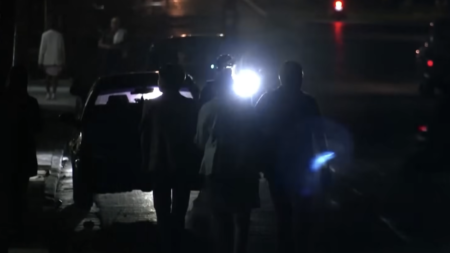





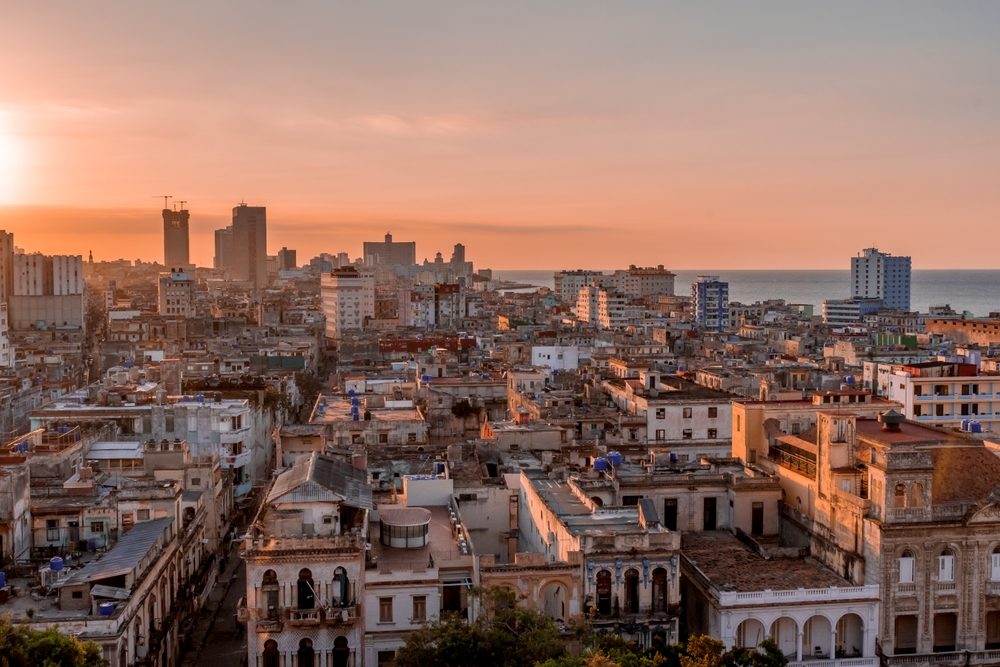
Cuba began a partial restoration of electrical service on Sunday (Mar. 22) after a nationwide outage plunged much of the island into darkness for the third time this month, underscoring the severity of the country’s energy shortfall.
Officials stated power had been restored to about 72,000 customers in Havana, including several hospitals, though the vast majority of the capital’s residents remained without electricity. Across the country, authorities activated small, localized grids to maintain service at essential facilities while technicians worked to stabilize the entire system.

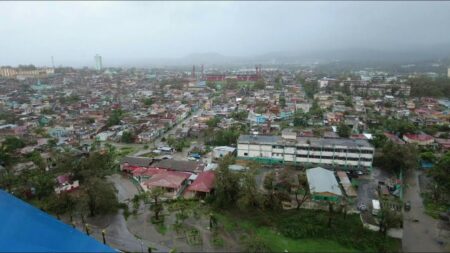
The government attributed the collapse to a sudden failure at a thermoelectric plant in Camagüey Province but did not offer further details. The outage followed another nationwide blackout earlier in the week, which took several days to resolve.
Cuba’s leaders have acknowledged that the disruptions are part of a deeper crisis. Argelio Abad Vigo, the vice minister of energy and mines, said the country has gone three months without receiving critical fuel supplies, including diesel and gasoline. President Miguel Díaz-Canel said domestic production meets only a portion of the country’s needs.
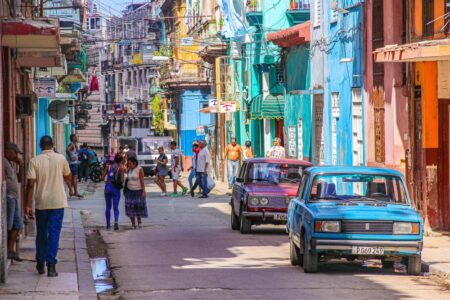
Fuel sales in the country are being rationed, airline schedules have been reduced and some workplaces have shortened hours. Hospitals have relied on backup generators, while many households have experienced food spoilage and appliance damage.
Residents described mounting frustration.
“With the blackout and low voltage, my refrigerator broke,” said Suleydi Crespo, a mother of two in Havana, per NPR. “If there’s no electricity tomorrow, we won’t be able to get water.”
The U.S. imposed its economic embargo on Cuba in the early 1960s, after Fidel Castro established a socialist government and strengthened ties with the Soviet Union during the Cold War. Since then, the sanctions have limited Cuba’s access to U.S. markets, global financing, and, in some cases, third-country commerce. Cuban officials have long argued that the policy has constrained the island’s ability to import essential goods, including fuel and has contributed to persistent shortages.
American officials, including President Donald Trump, have maintained that the sanctions are intended to pressure Cuba’s government to bow to political and economic reforms.

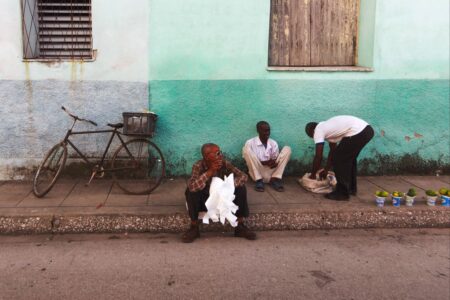
Others said the outages have become a regular part of life.
“We have to get used to continuing our usual routine,” said Dagnay Alarcón, a vendor. “We have to try to survive.”
The loss of oil shipments from Venezuela, once a key supplier, has further strained the system.
In retaliation, Cuba’s government has denied a request from the U.S. Embassy in Havana to import diesel fuel for backup generators, according to two U.S. officials, as the Trump administration continues to tighten restrictions on energy supplies to the island.
“The Ministry interprets as shameless the claim by the diplomatic mission to access a good as a privilege that it denies to the Cuban people,” the Cuban Foreign Ministry reportedly said, per a State Department translation.
Cuba has also seen several of its Caribbean allies withdraw their support amid pressure from the U.S.
Jamaica has withdrawn from its medical cooperation program with Cuba after negotiations to revise the agreement broke down, with officials in Kingston saying Havana failed to respond to proposals addressing labor and legal concerns. Jamaican authorities stated that they had sought to continue the program under revised terms that would allow Cuban doctors to be paid directly and to retain their passports. Instead, Cuba opted to withdraw 277 medical personnel, according to a statement from Jamaica’s Ministry of Foreign Affairs and Foreign Trade, which said it was “disappointed” by the outcome.

Jamaican officials said their review of the program was prompted in part by concerns raised by the U.S., where lawmakers, including María Elvira Salazar, have described the missions as a form of forced labor. Kingston said it found that doctors’ passports were being withheld and that payments were made to the Cuban government rather than directly to the workers, raising questions under Jamaican law and international labor standards.
The government said it could not continue a program “under conditions that contradict Jamaican legislation and international conventions,” adding that months of discussions failed to produce changes.
Guyana also withdrew from the program.