




In the ever-evolving scene of the recording industry, one question persists: what’s more valuable, a hit song or the enduring ownership of that hit song?
A catchy tune that climbs the charts can bring a rush of fame and instant gratification. But the real gold often lies in the long-term rights and royalties associated with it.
Think about it – today’s smash hit could become tomorrow’s classic and owning the rights means reaping benefits for years to come. And with the rise of platforms like TikTok and YouTube, even a song that’s been out for years can experience a resurgence, turning those who hold the rights into financial winners.
Moreover, platforms like Spotify and Apple Music are more popular than ever, making it essential for musicians to own the rights to their music. When artists control their own work, they can take advantage of many money-making opportunities, such as allowing their songs to be used in commercials, movies, and other media projects. This not only provides a reliable source of income but also helps build a lasting legacy, ensuring that their hard work and creativity are remembered and can inspire future generations. Additionally, when artists manage their own music, they can make decisions that reflect their vision, ensuring that their art is presented exactly how they want it to be.
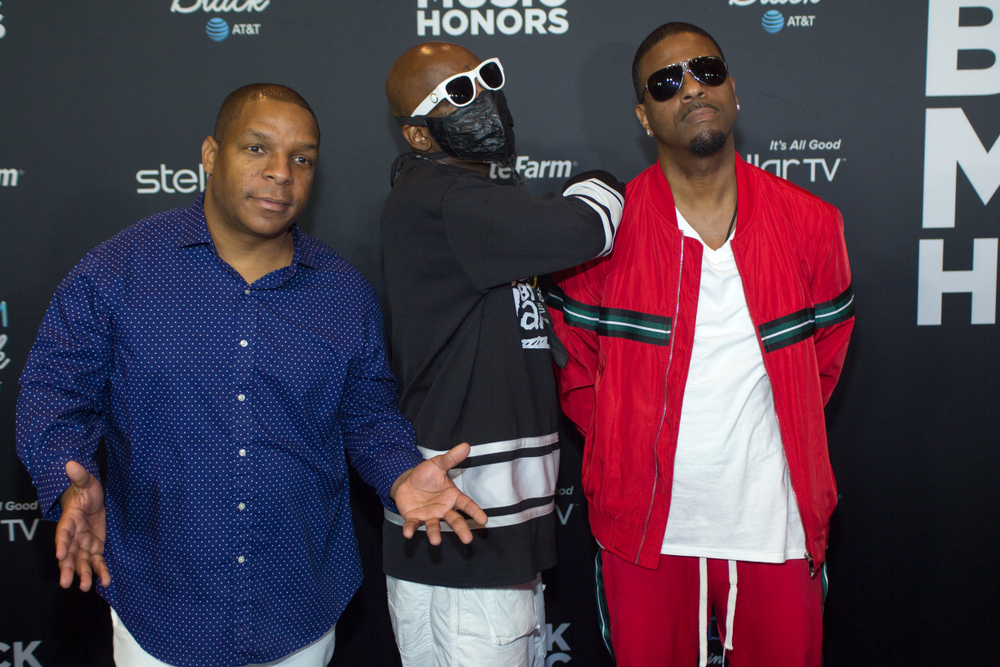
The Copyright Act of 1976 has created a pathway for artists to reclaim these rights and as more musicians become eligible to do so, the game is changing. Artists like Jodeci and Naughty By Nature for instance, can act now, as the window for reclaiming their legacies is now open. It is a pivotal piece of legislation that governs the rights of creators by allowing artists to regain control over their works after a certain period – typically 35 years. This means that if an artist released a song in 1991, as both these groups did, they can reclaim their rights starting this year.
This legal framework empowers artists to dictate how their music is used, potentially leading to a more favorable distribution of profits but more importantly, asserting their creative autonomy.
The importance of catalog control cannot be understated because the stakes are high; if artists don’t take action, they risk being at the mercy of record labels that make money from their work, while the artists only get a small portion of the earnings.
If you’re a seasoned artist or one who’s just starting out, understanding the ins and outs of catalog control is key. This power can lead to greater financial stability and creative freedom that allows you to focus on your craft rather than worrying constantly about the business side of things.
What is catalog control?
In last week’s article, we discussed how crucial it is for musicians to have control over their songs (publishing) and recordings (masters). This control is part of what the industry calls catalog control.
Catalog control also includes registering copyrights, like Common Works Registration (CWR) and other important components like metadata, licensing and collecting royalties. This helps to assure artists, record labels and publishers they get the right credit, protection and payment for their work. It focuses on organizing the music properly so it can be turned into a valuable asset and used to generate money.
Ownership is critical here because understanding who holds which rights – whether they belong to songwriters, performers, labels or publishers – can often be a complicated puzzle to piece together.
Rights management plays an important role; it involves carefully handling copyrights so that ownership information is registered and tracked fairly.
Keeping accurate metadata is key. It makes sure royalties are paid correctly and that the music can be easily found.
Licensing opens up further opportunities, allowing creators to place their music in films, TV shows, video games and across streaming services. This helps rights holders earn money.
Efficient royalty tracking is also fundamental; it involves gathering and sharing money earned from different sources, like music streams, sales or sync placements.
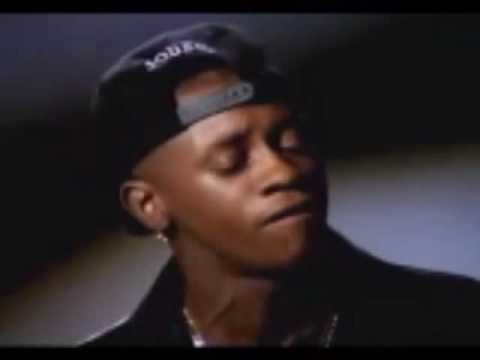
Why is catalog control critical for artists like Naughty By Nature and Jodeci specifically?
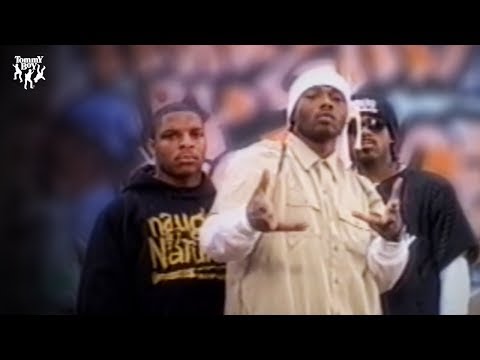
Naughty By Nature’s 1991 self-titled album stands as a cornerstone of 1990s hip-hop, effectively bridging the gap between underground street culture and mainstream commercial success. With its groundbreaking pop-sensible anthems and raw, in-house production, the album not only solidified the group’s legacy but also provided a vital template for East Coast rap during the genre’s “Golden Era.”
The lead single O.P.P. became a cultural phenomenon, reaching #6 on the Billboard Hot 100 due to its infectious energy and catchy sound. In an era dominated by West Coast artists, Naughty By Nature’s authentic yet radio-friendly style helped reclaim attention for the East Coast, establishing them as one of the first superstars of the post-Gold Era and cementing their status as cultural icons. The album’s innovative use of sampling, particularly in O.P.P., which cleverly incorporated The Jackson 5’s ABC, showcased a sophisticated approach that created memorable hooks while maintaining a connection to the streets. Tracks like Ghetto Bastard, also known as Everything’s Gonna Be Alright, balanced raw narratives of struggle with party-ready anthems that demonstrated the group’s versatility and lyrical prowess. Produced by DJ Kay Gee, the mix of synth-heavy sounds, live instrumentation and Treach’s rapid-fire flow set new standards for rap lyricism, all while keeping the group’s street credibility intact.
In 1991, Naughty By Nature may have found themselves in a tough spot, lacking the negotiating power that more established artists typically have. This led to contracts, like the one with Tommy Boy Records, that heavily favored the label. As a result, they had to give up a large portion of their earnings from sample usage, which might have hurt their potential income and long term financial growth. With their self-titled album achieving “platinum” status in 1991-1992, reclaiming their rights has become essential for safeguarding their future. As the album nears its 35th anniversary, it highlights the importance of pursuing termination rights under the 1976 Copyright Act.
Also released in 1991, Jodeci’s debut album, Forever My Lady, is widely celebrated as the blueprint for “Hip-Hop Soul,” a genre that redefined R&B by blending raw, gospel-infused vocal harmonies with hip-hop production and fashion. This groundbreaking album stormed the music scene, breaking away from the polished boy band era of the late 80s and introduced a “bad boy” image that continues to influence R&B artists today. The group’s members – DeVante Swing, Mr. Dalvin, K-Ci, and JoJo – shifted the genre to a gritty sound that paved the way for the hip-hop soul movement, and their impact can be seen in the careers of artists like Mary J. Blige and more modern artists like Bryson Tiller and Chris Brown.

Forever My Lady, produced three #1 R&B hits – Forever My Lady, Stay, and Come & Talk to Me – which became the defining classics of the early 1990s. The album became successful because of DeVante Swing’s creative songwriting and production, with assistance from Al B. Sure! They used strong, synthesizer-driven rhythms that matched the deep, soulful singing of the Hailey brothers, K-Ci and JoJo. This combination brought a “church” vibe into the “club” atmosphere, creating a powerful mix of emotional depth and confidence. Complex magazine even named Jodeci the greatest R&B group ever, claiming their impact on modern R&B is greater than that of Boyz II Men, who were their peers.
Jodeci’s legacy is not just rooted in their chart-topping hits. It was also in their ability to bridge genres that shaped the sound and aesthetic of R&B for the generations that followed. For a landmark album that keeps raking in revenue, regaining rights can be a game-changer for the creators rather than leaving it all in the hands of a record label.
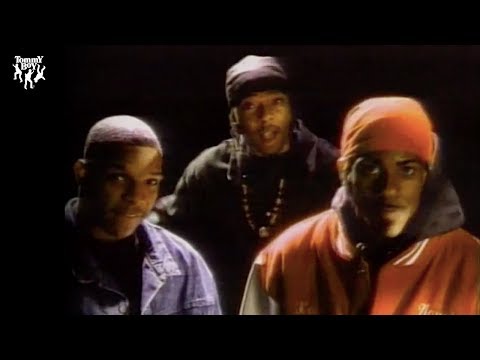
The Final Takeaway
As we witness an incredible wave of music from 1991 becoming eligible for artists to file termination notices and reclaim their assets, this moment could mark one of the largest transfers of wealth back to artists in music history.
It’s like watching a long-overdue tidal wave finally crash onto the shore, where musicians who poured their heart and soul into their work are gearing up to take back control of their creations.
For decades, many artists have felt like mere pawns in an industry that often prioritized profit over their passion, but this legal shift opens the door for them to regain not just ownership, but also the rights to the royalties that rightfully belong to them.
Imagine the freedom for these artists who helped lay the foundation of modern music, to dictate the terms of their own footprints, finally being able to reap the well-deserved rewards of their talent and hard work!
For more information on music catalogs, check out resources from the Music Library Association, the Music OCLC Users Group and the Music Library Associationfor cataloging standards. For managing royalties in the music industry, check out tools and webinars from the Mechanical Licensing Collective. You can also use platforms like MusicTeam or Discogs for managing music assets. Additionally, consult copyright officers and industry publications for details on legal matters.