






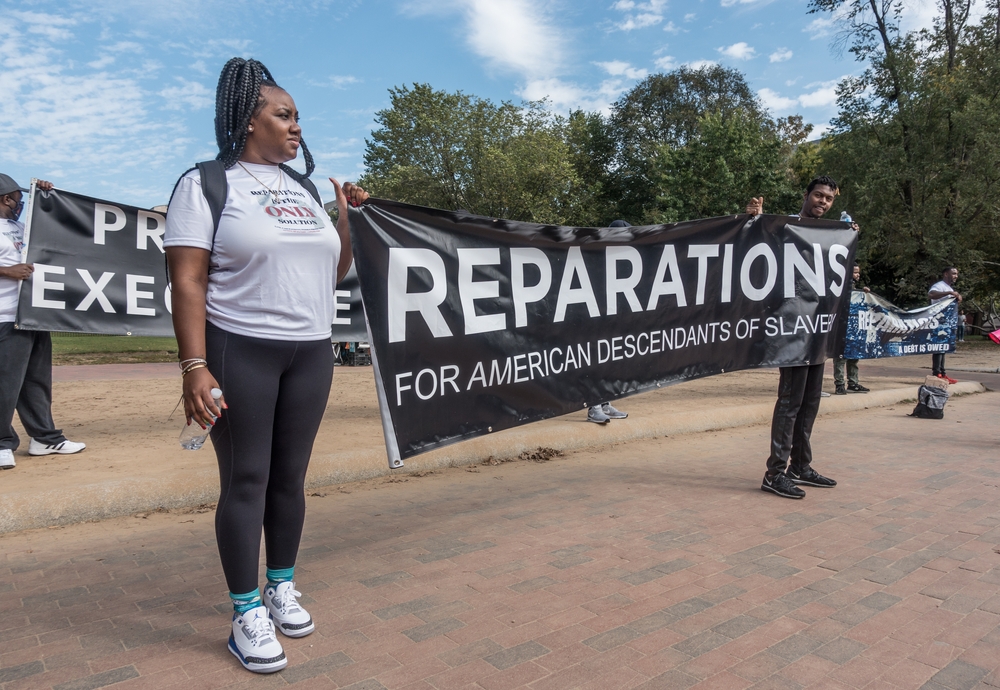
San Francisco leaders recently approved a measure dedicated to creating a fund for reparations for Black residents.
Announced by Mayor Daniel Lurie, the ordinance was passed unanimously by the Board of Supervisors in mid-December and was signed by the mayor before the end of the year. The latest legislation creates the fund, but the mayor stated that the city currently does not have the finances to contribute to it. According to the nonprofit organization SPUR, San Francisco is projected to accrue a $1.47 billion General fund deficit by the fiscal year 2029-2030.
Instead, the law creates a place for future contributions. Once the funds come in, Black San Francisco residents could receive up to $5 million in reparations if they qualify. The fund is also reportedly open to private donations.
“Every day I’ve been in office, my administration has worked to strengthen our investment in San Francisco’s Black residents and improve the services they rely on to live in this city — from public safety and street cleaning to affordable housing and education,” said Lurie per a statement. “My administration has regularly supported the use of private funds to support our communities, and if there is private funding that can be legally dedicated to this fund, we stand ready to ensure that funding gets to those who are eligible for it.”
The newly signed ordinance is based on a report provided by the African American Reparations Advisory Committee. In 2020, the San Francisco Board of Supervisors acknowledged that the city had done significant harm to Black communities and voted unanimously to create the San Francisco African American Reparations Advisory Committee.
Two years later, the African American Reparations Advisory Committee published its findings, highlighting an era of racial discrimination responsible for Black displacement from the mid-1940s to the 1970s. Amongst the lasting inequalities are significant economic disadvantages, including lower homeownership rates and higher poverty rates, as well as higher proportions of toxicity.
To address its effects, the committee suggested providing a lump-sum payment of $5 million per person with an income below $97,000. They also suggested fair housing opportunities, investments in Black businesses, the creation of a Black-centered K-12 school as well as addressing health disparities. The African American Reparations Advisory Committee also recommended that the city’s government enforce policies to address historical harms.
With the signing of the ordinance, the African American Reparations Advisory Committee still insists that more work needs to be done.
“I would argue that the city is accountable for not just investing in this fund, but for supporting in all the ways possible the recommendations of our plan, including financial repair,” said the former chair of the African American Reparations Advisory Committee, Eric McDonnell, per KTVU. “It is a step in the right direction. It by no means demonstrates or represents a full on commitment to making something happen.”