



Article by media partner Cuisine Noir, the country’s first Black culinary lifestyle outlet since 2009 dedicated to connecting the African diaspora through food, drink and travel.
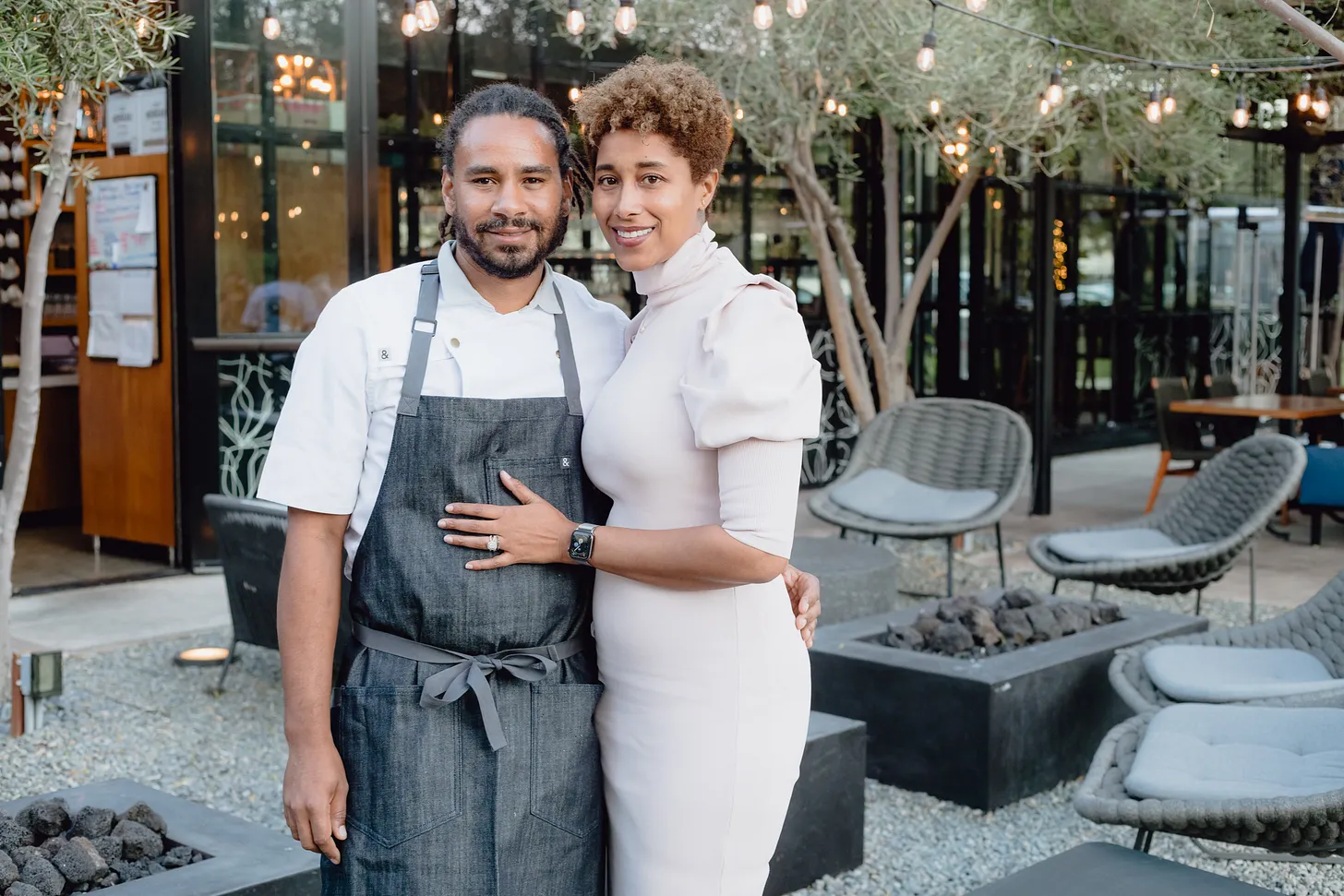
The power of ownership means different things to different people. The founders of two thriving California restaurants know exactly what that power means to them. They both laughed and exclaimed, “Freedom!” when asked about owning Poppy + Rose in downtown Los Angeles and Poppy & Seed in Anaheim.
“It’s my avenue to release that training and everything else I worked on for so many years. You can do it yourself now and really have freedom,” says Michael Reed, owner and executive chef. His wife values the control it gives them.
“Michael and I have worked for a lot of other people who don’t bring the quality of life to their employees. It’s important that we are owners that people want to work for,” Kwini Reed maintains.
I. Freedom to Be
Before opening their first restaurant in 2014, Michael and Kwini spent years in the corporate world. From the start, they wanted to make Poppy + Rose a welcoming environment for everyone. In the early years, the breakfast, lunch and brunch spot was not known for being Black-owned.
“We’re just doing us and running our race the way that we articulate and visualize food as Black people,” Kwini explains. “We need to normalize that Black food and the expression of Black food is not just soul food or Caribbean food.”
When banks turned down their loan applications, the Reeds built Poppy + Rose on sweat equity. Michael did most of the renovations. He then applied his culinary expertise to serving seasonal and elevated comfort food.
“Yes, I can cook all those classic cuisines. But for the restaurants we’re running right now, it’s really about what makes us happy and what makes our guests happy instead of being strictly into a certain cuisine.”
Chef Michael graduated from the Culinary Institute of America and has worked at The Modern in NYC and Sona and Osteria Mozza in LA. Food critics have praised Poppy + Rose as one of the best in LA for breakfast and brunch, especially the chicken and waffles and shrimp and grits.
“We are very unique in what we do. I’ve worked at fine-dining restaurants for most of my career. Opening our restaurants was necessary for the growth of our boutique catering company,” Michael says.
By Phyllis Armstrong