




This article discusses suicide. If you or someone you know is struggling with suicidal thoughts, call or text 988 any time, day or night. You can also receive free, confidential support by texting 741741.
Pierre Damas Bel, a Haitian college student, is believed to have died by suicide in Springfield, Ohio, after the Trump administration moved to revoke temporary protected status for tens of thousands of Haitian immigrants.
Unlike the fatal shootings of Renee Good and Alex Pretti by federal agents from the Department of Homeland Security, Bel’s tragic death did not receive the same level of national attention.
Nevertheless, everyone in this country should be unsettled whenever a law enforcement initiative turns deadly, directly or indirectly.
Bel was a highly respected young man in his community. His teachers praised him on PBS NewsHour, describing him as respectful, focused and hardworking.
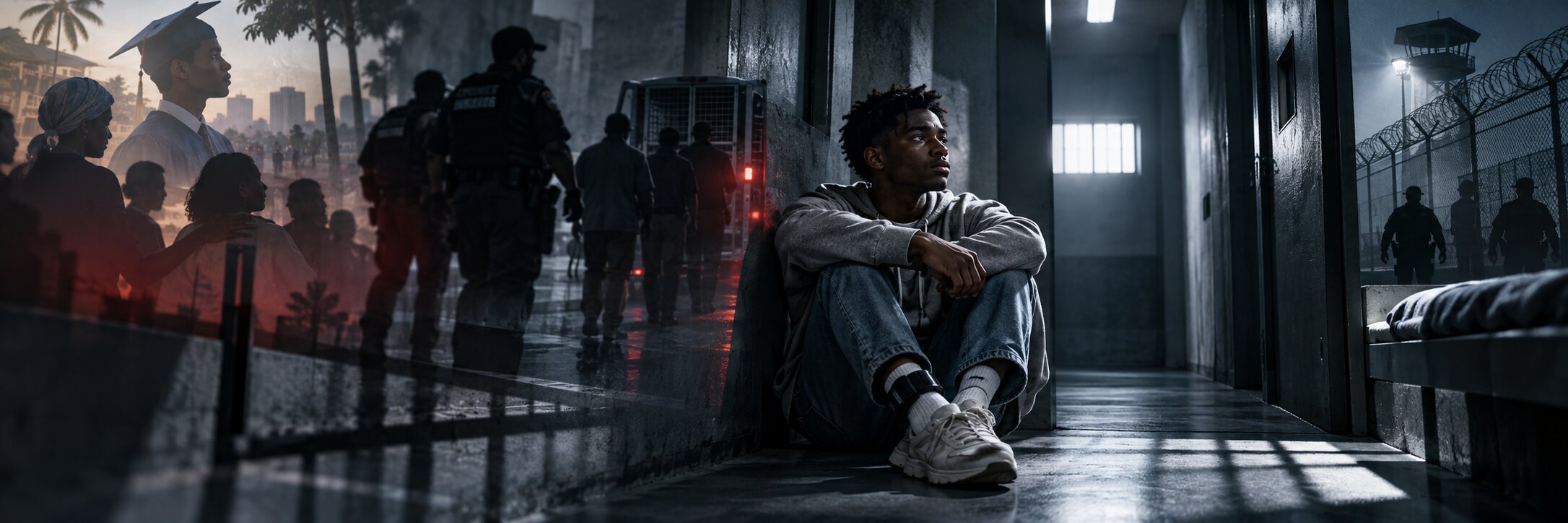
After his temporary protected status was revoked, U.S. Immigration and Customs Enforcement required Bel to wear an ankle monitor while he remained in the country. Bel viewed the requirement as dehumanizing and felt humiliated.
Faced with the stigma of being treated like a criminal and the mental anguish that accompanied it, Bel stepped into oncoming traffic on Aug. 31.
Suicide has been a hidden consequence of dehumanizing law enforcement tactics in this country for decades.
Our nation’s prisons and jails are ground zero for these devastating deaths. Incarcerated people are literally dying to get out.
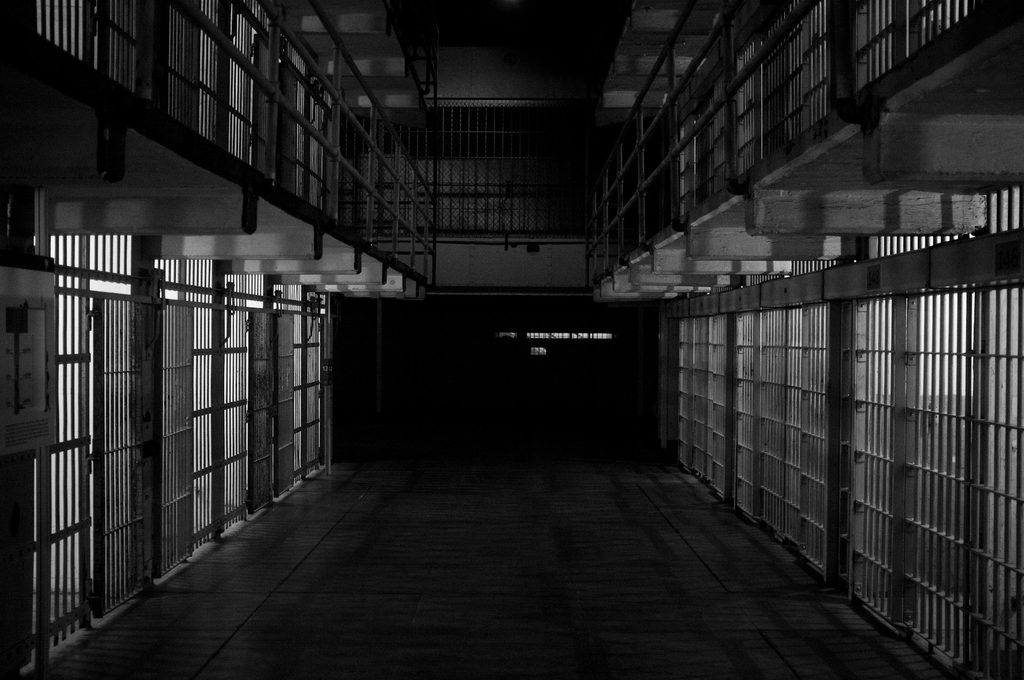
Nowhere is the crisis more acute than in solitary confinement.
It’s an inhumane torture chamber designed and used to isolate, destabilize and crush every aspect of human potential, including the ability to hope.
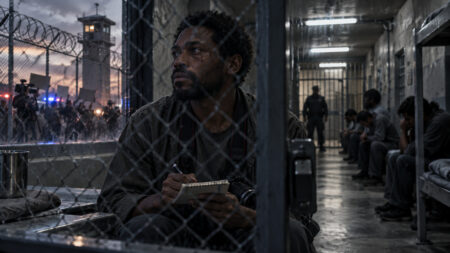
I write this from lived experience. For the past 120 consecutive weeks, or approximately 28 months, I have been held in a windowless space the size of a standard parking spot, 24 hours a day, seven days a week.
During that time, I have witnessed and read about numerous incarcerated people who died by suicide while enduring the mental agony of extreme isolation.
People like Shawn Nelson and Brooklyn Hogrell.
Nelson and Hogrell were both placed in solitary confinement within the Texas prison system. According to court documents and news reports, both began experiencing severe mental health crises within a year of their placements.
After their complaints to prison officials about the psychological harm caused by prolonged isolation went unaddressed, they turned to their mothers for help.
“People are losing their minds [every day] back here,” Nelson wrote to his mother. “Sitting in one spot for years is not good for the mind.”
Hogrell’s complaints also included the deplorable living conditions she was forced to endure.
“There were countless times she would call me just crying, saying, ‘I can’t do this anymore,'” said Hogrell’s mother, Jennifer Rodriguez.
After 31 consecutive months in solitary confinement, prison guards found Nelson dead in his cell.
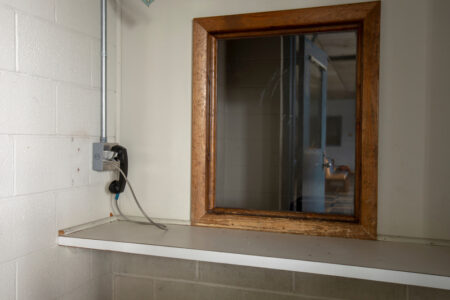
In 2024, prison officials revoked Hogrell’s telephone privileges. Suddenly, she could no longer speak by phone with her mother, who had become her primary source of emotional support. A few weeks later, Hogrell died by suicide. She was only 21.
These deaths are just two examples of an alarming number of suicides occurring inside prisons. According to the Texas Justice Initiative, at least 61 incarcerated people died by suicide in 2021, the same year Nelson died. That number increased to 66 in 2024, the year Hogrell died.
From 2020 to 2023, Texas prisons averaged at least 56 suicides annually. Approximately 54% of those deaths occurred in restricted housing units, where solitary confinement is used.
This disturbing trend is not limited to Texas. An investigation into New York state prisons revealed that 25 suicides were recorded in 2024, the highest number since 2000. At least nine of those deaths occurred in solitary confinement.

For decades, mental health experts have researched the psychological effects of solitary confinement and its connection to suicide.
What they discovered was not surprising.
Psychologist Craig Haney found that solitary confinement can cause severe psychological distress, including symptoms associated with psychosis, depression and suicidal ideation. When people with preexisting mental health conditions, like Nelson and Hogrell, are placed in prolonged isolation, their conditions can worsen.
A lack of mental health treatment inside prisons, along with inadequate staffing and insufficient staff training, further exacerbates the crisis.
“She didn’t want to die,” Rodriguez, Hogrell’s mother, said. “She was being silenced, her pleas for help were being ignored.”
Some states, including Colorado, Connecticut and Maine, have recognized these harms and enacted measures to eliminate or restrict the use of solitary confinement.
The United Nations has established standards prohibiting prolonged solitary confinement, defined as isolation lasting more than 15 consecutive days. U.N. experts have warned that prolonged solitary confinement can amount to torture.
Even some U.S. Supreme Court justices have criticized solitary confinement. Justice Sonia Sotomayor has called for limits on the practice and described it as a “penal tomb.”
Prison officials, including those in Texas, who refuse to heed these calls for change should be required to implement stronger safeguards.
Hiring more mental health professionals would be a strong start. Installing technology such as radar systems and sensors to monitor incarcerated people at risk of suicide could also improve emergency response efforts. Finally, prison officials should make the national 988 Suicide & Crisis Lifeline available to all incarcerated people, even when other telephone privileges have been revoked.
Sadly, no comprehensive national database tracks how many people like Bel die by suicide as a result of law enforcement actions. When people engage in confrontations with police that are likely to result in death, those incidents are often classified as attempts to evade arrest. Similarly, drug overdoses are frequently categorized as the result of criminal activity.
The reality is that law enforcement practices known to inflict severe psychological harm should not be socially acceptable. Every member of the law enforcement community is a public servant and should implement only policies and procedures that serve the public’s best interests.
Ankle monitors placed on law-abiding people awaiting their day in immigration court, or solitary confinement imposed on people trying to rebuild their lives after making mistakes, are tools that are both unnecessary and potentially deadly.
As a civilized country, we should abolish them.