



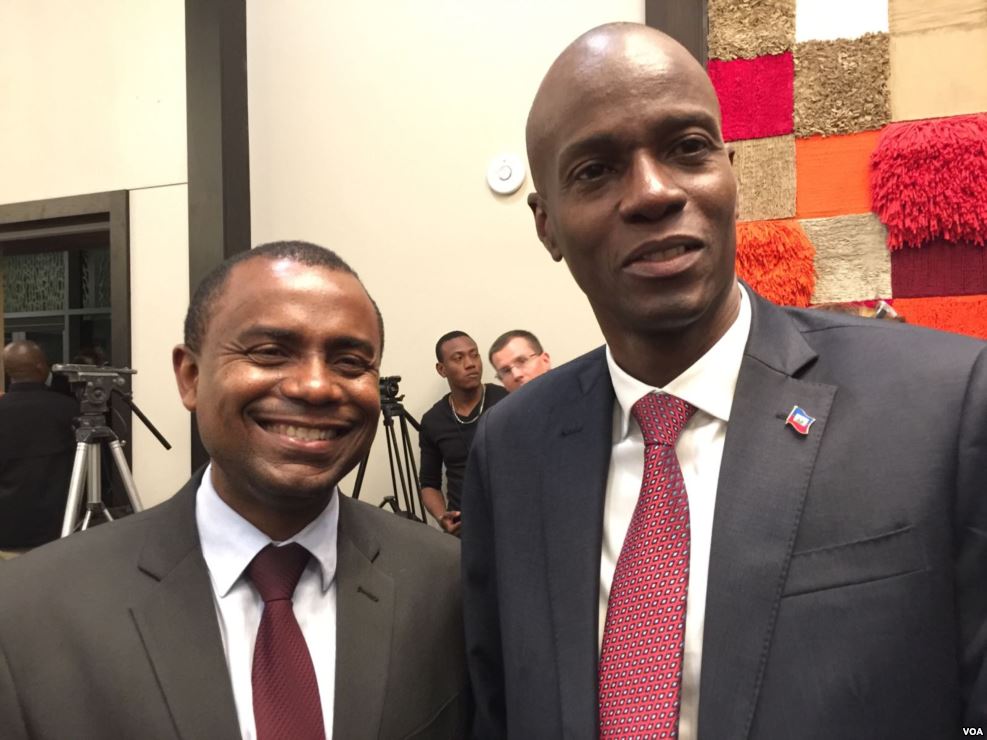
Christian Emmanuel Sanon, a 67-year-old Haitian American pastor accused of helping to orchestrate the 2021 assassination of Haitian President Jovenel Moïse, is standing trial in Miami, Florida.
A jury of 12 people and four alternates was selected Monday, Sept. 28, with opening statements scheduled for Tuesday (Sept. 29). Sanon faces charges stemming from a conspiracy prosecutors say originated in South Florida and involved participants from several countries, including Colombia, Ecuador and the Dominican Republic.
Federal prosecutors accuse Sanon and his associates of conspiring “to launch, and participated in, a military expedition against Haiti” by recruiting a team to overthrow Moïse.
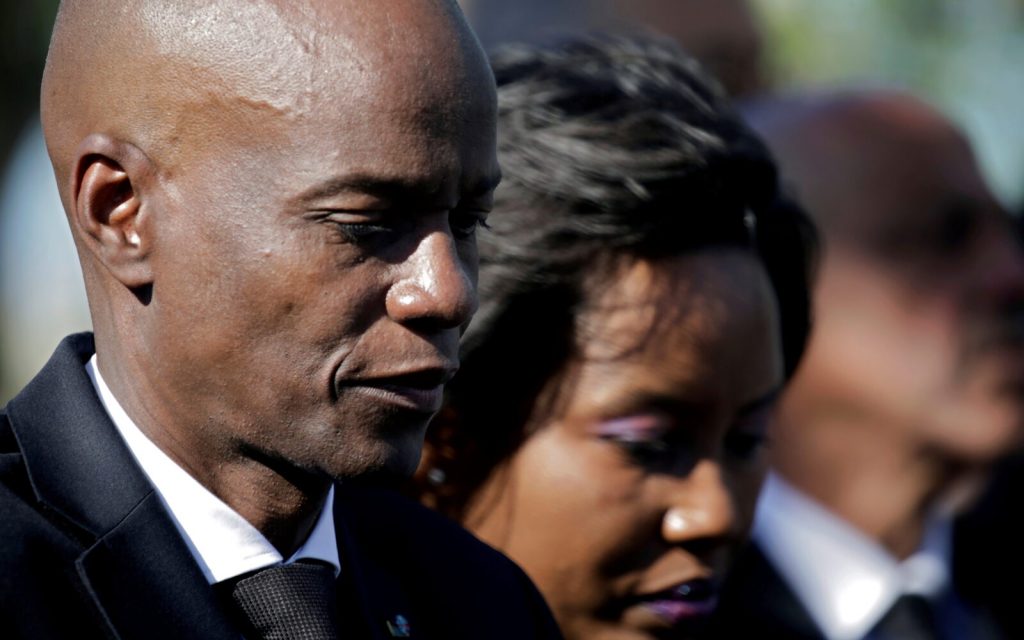
The plot culminated July 7, 2021, when former Colombian soldiers stormed the president’s private residence outside Port-au-Prince. Moïse, 53, was shot multiple times in his bedroom. His wife, Martine Moïse, was seriously wounded, while their two youngest children survived. Prosecutors allege the conspirators intended to replace Moïse with a president who would award them lucrative security and infrastructure contracts.
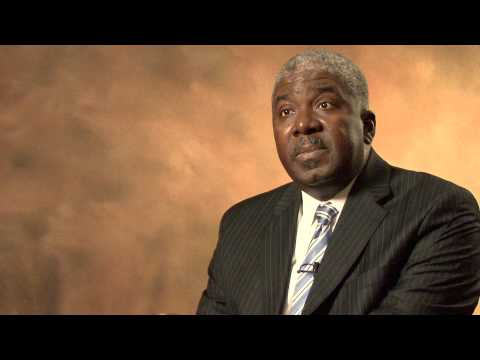
Sanon has pleaded not guilty. His attorneys maintain that he was excluded from later discussions and had no involvement in the decision to kill the president.
According to prosecutors, Sanon “recruited and gathered the group of conspirators who ultimately arranged President Moïse’s assassination.”
They allege he helped raise funds, arrange travel and lodging, and obtain weapons, ammunition and ballistic vests for the operation.
The indictment also alleges that about $343,000 linked to the scheme came from fraudulently obtained government loans, including COVID-19 relief funds, though Sanon has not been charged with participating in that financial fraud.
His attorneys unsuccessfully sought a 30-day delay after prosecutors expanded the case.
Four co-defendants, including security company owners Antonio “Tony” Intriago and Arcángel Pretel Ortiz, financier Walter Veintemilla and Haitian American James Solages, were convicted in May following a nearly nine-week trial. They face possible life sentences.
Sanon’s trial was separated from theirs because of health concerns. The investigation has also brought additional suspects into U.S. custody, including 17 former Colombian soldiers and Joseph Felix Badio, a former Haitian government official.

Haitian judicial authorities have challenged the transfer of suspects to the United States, arguing that they remained under the jurisdiction of a Haitian investigating judge.
The assassination intensified a political crisis in a country with a long history of foreign intervention and struggles for sovereignty.
Haiti became the world’s first independent Black republic in 1804 after enslaved Africans defeated French colonial rule. In 1825, France demanded recompense for former slaveholders as a condition of recognizing Haitian independence. That debt has crippled the country ever since.
More than two centuries later, Haiti faces another struggle for stability.
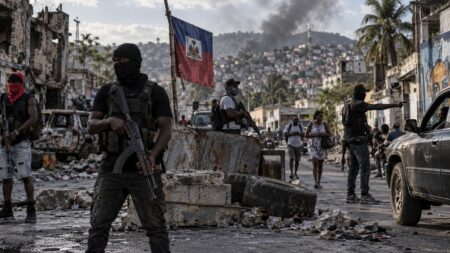
Armed gangs have seized control of large areas of Port-au-Prince and expanded into surrounding regions, displacing families, disrupting essential services and weakening government authority.
Nearly 1.5 million Haitians have been displaced by violence, according to a September report from the International Organization for Migration.
International assistance has fallen short of the country’s security needs. Despite years of appeals for help, foreign-backed operations have struggled to contain armed groups. A United Nations-authorized Gang Suppression Force remains dependent on sustained international support, leaving Haiti’s security crisis unresolved.
The violence has also obstructed Haiti’s efforts to prosecute those responsible for Moïse’s killing.
Sanon’s upcoming trial is expected to include testimony from former Haitian officials, FBI investigators, cooperating witnesses and Martine Moïse.
His defense team has listed former Haitian prime ministers Claude Joseph and Ariel Henry as potential witnesses.
Sanon faces a possible life sentence if convicted of the conspiracy charge.