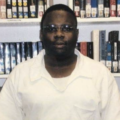




The hip-hop community came out in full force to protest the recent execution of James Broadnax in Texas.
Citing their frustration with American prosecutors’ growing trend of criminalizing rap lyrics to send people to jail, or in Broadnax’s case, death row, well-known hip-hop ambassadors like T.I., Killer Mike, Young Thug, Fat Joe, Lil Durk, Travis Scott and Kevin Lyles expressed their grievances about a practice that unfairly targets rappers’ freedom of speech.
While their grievances possessed validity in general, when applied to Broadnax’s conviction, they miss the point.
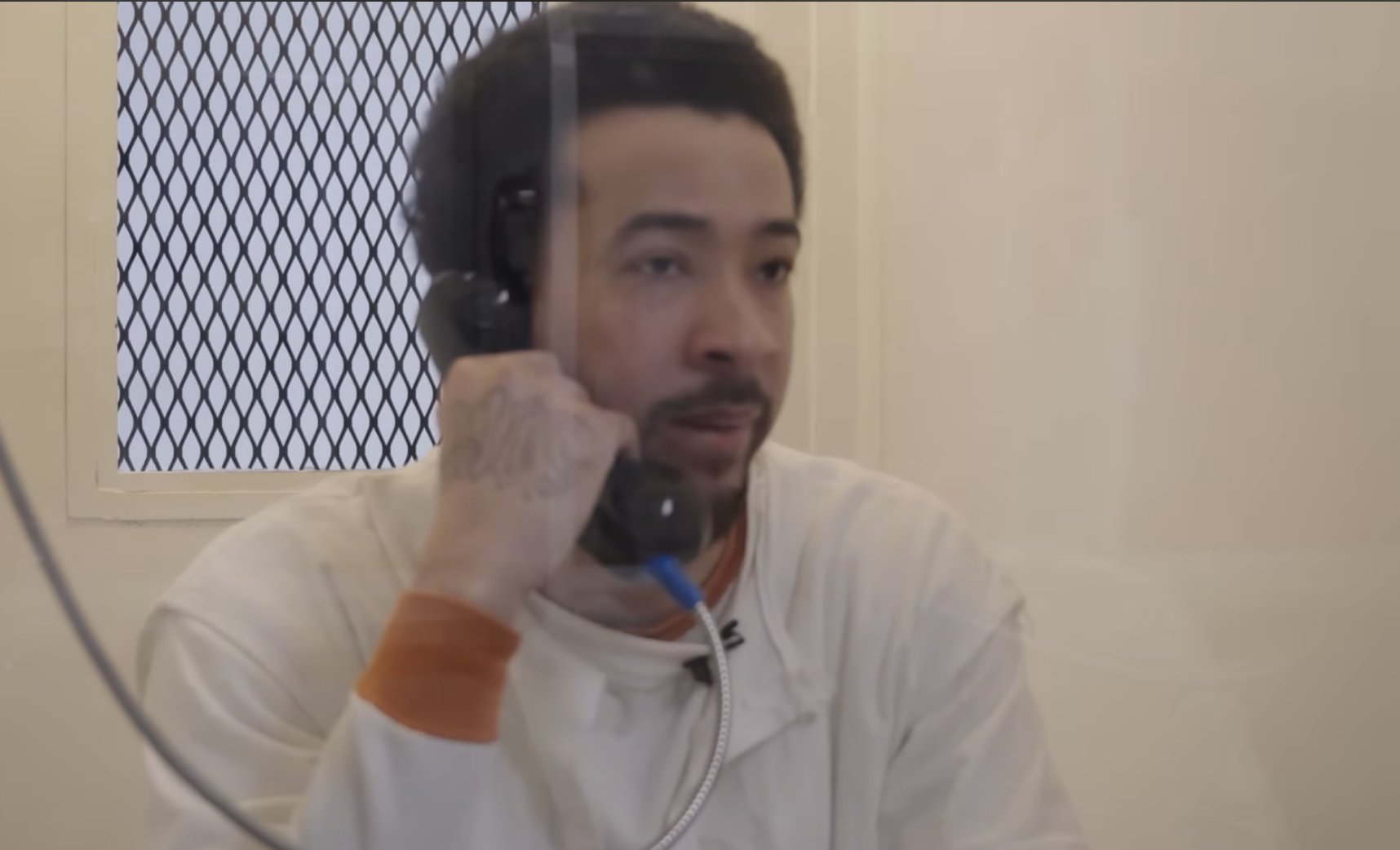
Broadnax was convicted of capital murder and sentenced to death for robbing and fatally shooting two men. Shortly after his arrest, Broadnax volunteered to give multiple interviews with local news stations, confessing to the crimes. During those interviews, Broadnax accepted responsibility for the killings and expressed no remorse. When asked by the reporter if he had a message for the victims’ family, Broadnax stated, “Fuck’ em.” He adamantly asserted that he would kill again if not given the death penalty.
These media interviews, not his rap lyrics, became the crux of the prosecution’s case.
The state relied on these interviews to both convict Broadnax of capital murder and sentence him to death. The rap lyrics found in Broadnax’s possession when he was arrested driving the victim’s car and others that were confiscated from his cell shortly before his trial were controversial but trivial.
Prosecutors across the country have quietly used rap lyrics to convict people. In most cases, those efforts have been illegal and unconstitutional.
According to the study, “The Threatening Nature of Rap Music,” prosecutors gain an advantage with jury members when using rap music during prosecutions.
Free speech advocates have gained ground in stopping rogue prosecutors from criminalizing rap lyrics, ground that reckless behavior like Broadnax’s undermines.
In 2022, California passed AB 2799, the Decriminalizing Artistic Expression Act, which restricts prosecutors’ ability to use rap lyrics as criminal evidence. Even Southern states like Louisiana and Missouri have enacted similar bills. A federal RAP Act has been introduced repeatedly.
Even federal courts have restricted prosecutors from using rap lyrics to establish the elements of a crime or to prove motive or intent. Introduction of rap lyrics for the sole purpose of showing a person is morally reprehensible is prohibited.
However, when those lyrics resemble aspects of the crime that is being alleged, as was the case when Broadnax was charged with killings, confessed to reporters about the killings, promised more killings and had rap lyrics in his possession bragging about killing, prosecutors have grounds to argue that rap lyrics become fair game and can weaken the precedents that have been set protecting rap lyrics.
This was a core issue in Detroit hip-hop artist Ed Boy’s criminal trial. Ed Boy was indicted under the federal RICO Act for being a member of a criminal enterprise, the “6 Mile Chedda Grove” street gang. Prosecutors presented evidence that the 6 Mile Chedda Grove clique was responsible for racketeering activities that included distribution of drugs, murder, robberies and threats.
After committing these crimes, prosecutors said Ed Boy and 10 other members of the 6 Mile Chedda Grove clique used rap videos, songs and lyrics to document these racketeering activities. They first presented evidence that Ed Boy was involved in these criminal acts. Then prosecutors introduced lyrics from rap songs Ed Boy and other members of the 6 Mile Chedda Grove clique made, like “Running With Killers” and “Selling Hella Dope.”
Rap is a form of expression protected by the First Amendment of the U.S. Constitution. Some of its lyrics frequently feature aggressive and hyperbolic language that references guns, drugs and violence. These artistic and poetic conventions, which are commonly understood in more traditional arts such as fiction writing and poetry, pose a risk of undue prejudice.
The lesson for the hip-hop community in the Broadnax case is to understand those inherent prejudices and how to keep one’s free speech protected.
The interviews Broadnax gave to the media prior to his trial sealed his fate. They were not creative expression; they were clearly intended literally. Sure, he had a First Amendment right to confess to crimes in interviews, but that is not a shield against the legal consequences of his confessions, which were far more incriminating than any rap lyric that he could have written.
In order to sentence a person to death in Texas, prosecutors have to show that the person poses a “continuing threat to society.” The brutal nature of the crime alone can suffice for this standing. At Broadnax’s trial, the prosecutors decided to raise his conduct since his arrest to meet their threshold of future danger.
They began with the interviews where Broadnax confessed while calmly and coldly walking the reporters through the murders. His promise was that if not given the death penalty, they “gon’ have some more dead bodies.”
Next, they detailed his gang membership and lack of remorse for the loss of life. Then came the rap lyrics, which legally were a tiny fraction of a larger examination of his character and behavior.
I am the first to state that I firmly don’t believe that Broadnax deserved the death penalty. Killing people to show killing is wrong is counterproductive and inhumane. Also, it’s my solid belief that the rap lyrics, no matter how small of a part they played, had no place in Broadnax’s trial.
However, I firmly believe, as a deeply rooted member of the hip-hop community, that it’s time for us to learn the tenets of protected free speech, teach it to future generations and show them how to be more responsible.
Hip-hop’s origin was as a vehicle for humanizing marginalized communities in the face of dehumanization. It serves the disenfranchised with therapeutic social and political commentary. It gave us a platform to speak publicly about oppression and organize resistance, and to promote positive things like community, loyalty and wealth.
Rappers were political street poets. They knew the difference between what was real and what was fake. Their lyrics could mean everything to them but didn’t necessarily have to be about them.
Today, you can stroll any social media channel and discover videos of members of our cherished hip-hop community glorifying real crimes that they have committed. Insanely, some of them even flash the guns or money that are directly connected to the criminality. Like Broadnax, there is some artificial sense of pride in openly admitting that they’ve committed crimes against humanity.

These admissions are fair game for prosecutors. As Broadnax discovered, the prosecutor will use them to take you out. And if you have rap lyrics that glorify the same crimes you have committed, they will use them also to make their case. If you talk about specific, identifiable crimes, you lose credibility when claiming it’s just art.
The process is not fair, but it’s real. Broadnax is dead. The state of Texas executed him by injecting poison into his veins. He was only 37 years old. Sadly, “Loose lips sink ships.”
Violence is not hip-hop. It’s time we have a collective conversation about what this means. We need to create a space not just for public conversations but private ones, to share our stories intimately with one another. The premise that you have to engage in criminal activities because you rap about them is a misconception. It only gives credence to the flawed stereotypes society wants to place on members of our communities and fuels these attempts by prosecutors to turn lyrics into crimes.
I write this as a person who took another man’s life 28 years ago. That act only caused harm to the community I was supposed to defend and resulted in me having a 75-year prison term. I’ve regretted every second of every moment of it by helping others avoid the same mistake.
Free speech is protected! But that protection comes with responsibility. Educating others on this important issue is how I will keep James Broadnax’s spirit alive. Kevin Lyles, T.I., Travis Scott, Lil Durk, Killer Mike, Young Thug and the entire hip-hop community, I need your help!
Let’s do it collectively for the culture!