





Article by media partner Cuisine Noir, the country’s first Black culinary lifestyle outlet since 2009 dedicated to connecting the African diaspora through food, drink and travel.
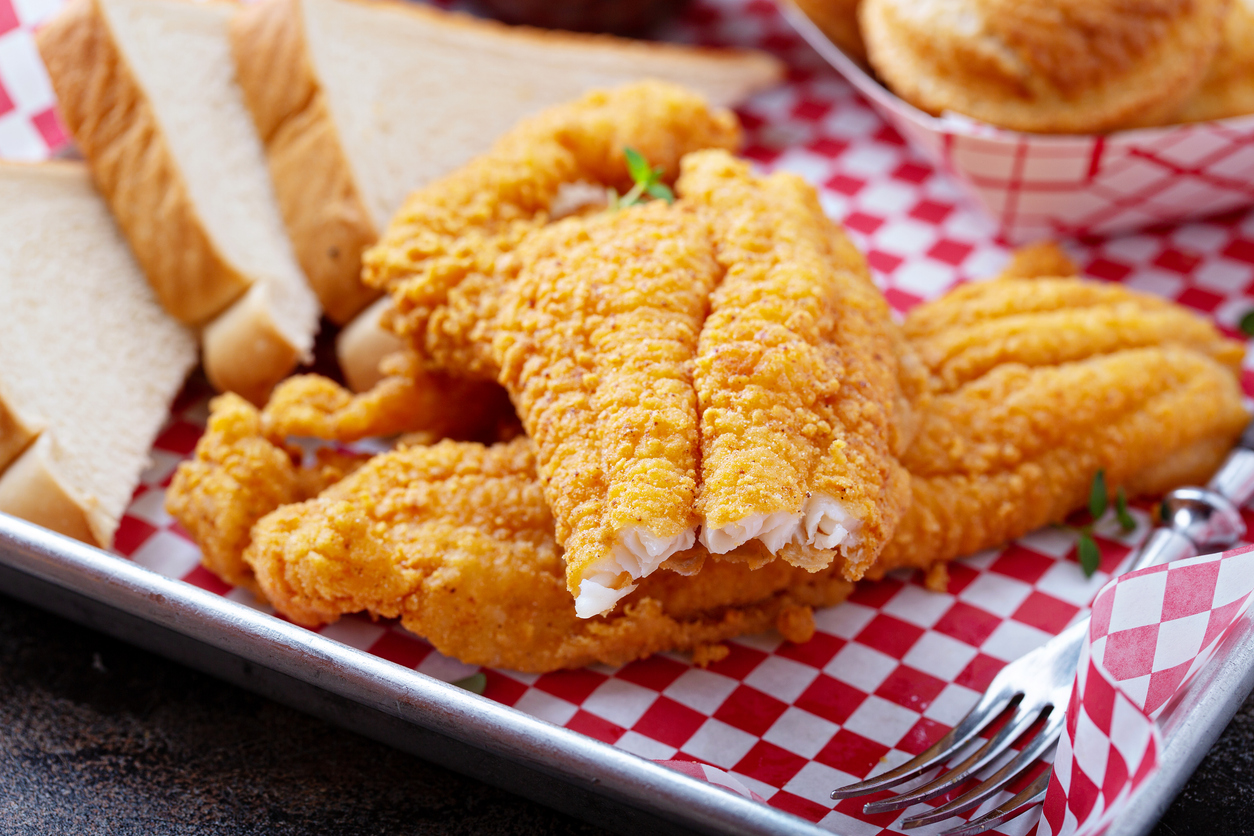
There’s nothing like a good fish fry! Dancing, playing cards, telling stories and crunching into perfectly seasoned pieces of fried fish with all the sauces and sides. “Though we are really into crabs here in Maryland, I don’t think I ever met a piece of fried fish that I didn’t want to eat,” laughs Tiara Darnell, former owner of Blaxicocina in Mexico City. “I think a fish fry is one of the Blackest experiences that I can have, and frying fish makes me feel connected to my Southern heritage,” Darnell admits.
“When you drop the fish into the oil, everything in the background kind of gets quiet and you’re just listening to the bubbling of the oil as it goes from a sizzle to a hard boil,” adds executive chef Sean Streete of Lita in Walnut Creek, California. “It reminds me of the days when my mom fried escovitch fish,” says the Jamaican American.
“Growing up in the Bronx, New York, instead of a more rural place, getting fish was the only opportunity we had to be involved with the sourcing of our food by choosing from live or frozen fish at the neighborhood fish market,” says social media food influencer Kahja Elliott of Kay in the Bay.
Poet and foodie Sierra Fisher adds, “Fish frys for Black people can signal a type of celebration of community and can create a kind of instant family when you’re eating the fish together in real time.”
History of the Black Fish Fry
The earliest known recipe for battered, deep-fried fish appeared in a 12th-century Moorish cookbook, thought to have been written in what is now Spain or Portugal. However, the history of the fish fry in African American communities started during enslavement.
Toward the end of the plantation work day, many slave owners allowed enslaved workers to go fishing for themselves. Fishing was one of the few things enslaved people could do with little interference from their slaveholders and at the end of the work week, they hosted a fish fry for the whole community. That tradition was carried on into emancipation with even more reasons to host this social gathering, from card parties and cookouts to graduations and family visits.
“My mother is from Detroit, so we spent a lot of summers going back and forth to Michigan,” notes Fisher, who lives in Rockville, Maryland. “When my uncle knew we were coming to visit, he would always do a fish fry with fried catfish and fried shrimp.” She continues, “It was a big deal, because I grew up Seventh Day Adventist and they don’t do shellfish, but we were allowed this once-a-year exception.”
By Kalin Thomas