



Last night was the kind of election night that reminds you why women keep running, even when the odds are stacked completely against them.
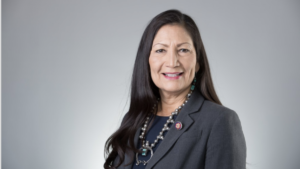
Across the country, Democratic women made history. We elected the first Black woman governor in American history, the first Indigenous woman governor, and the first Latina governor of Texas. We secured major victories on abortion rights in Virginia and for the first time in the U.S. we will have more than 100 Democratic women serving in Congress.
I. am. thrilled. But I also can’t stop thinking about all of the women who lost before them and what their contributions were to such a historic night.
Over the summer, I read Hillary Clinton’s What Happened and Kamala Harris’s 107 Days. I read both books back to back because I wanted to compare their experiences as the only two women supported by a major party to run for president, and to understand whether one campaign had built on the other. I went into reading them expecting to revisit two of the most painful political disappointments of my adult life. Instead, I came away with an unexpected sense of relief. I started to see their campaigns less as isolated defeats and more as part of a much longer story of women pushing the boundaries of what American voters consider possible.
I remember waking up on November 9, 2016, to learn that Hillary Clinton had lost. I had spent most of the night out with friends at a big watch party hosted by a historic democratic bar in Atlanta. As most will remember, the results started looking less and less promising as the night rolled on and I turned in around 11 PM, hoping for a miracle that never came. I learned Hillary lost when I woke up the next morning and caught up on a group chat of three close friends who were beside themselves. I cried in bed when I should have been getting up and going to work. It was a kind of devastation I hadn’t experienced before in my adult life, given that the first election I ever voted in AND the first campaign I ever worked was Obama ‘08.
I started to see their campaigns less as isolated defeats and more as part of a much longer story of women pushing the boundaries of what American voters consider possible.
Eight years later, I was considerably more invested in Kamala Harris’s campaign. I had spent months following it, talking about it, working to amplify it through our social media platform, and imagining what a victory would mean.
Continue reading over at the Women in America Substack.
Become a paid subscriber today. Because reproductive freedom can’t wait, and neither can we.