


A Note to Readers: This piece was originally published on NEWSONE, June 16, 2026.
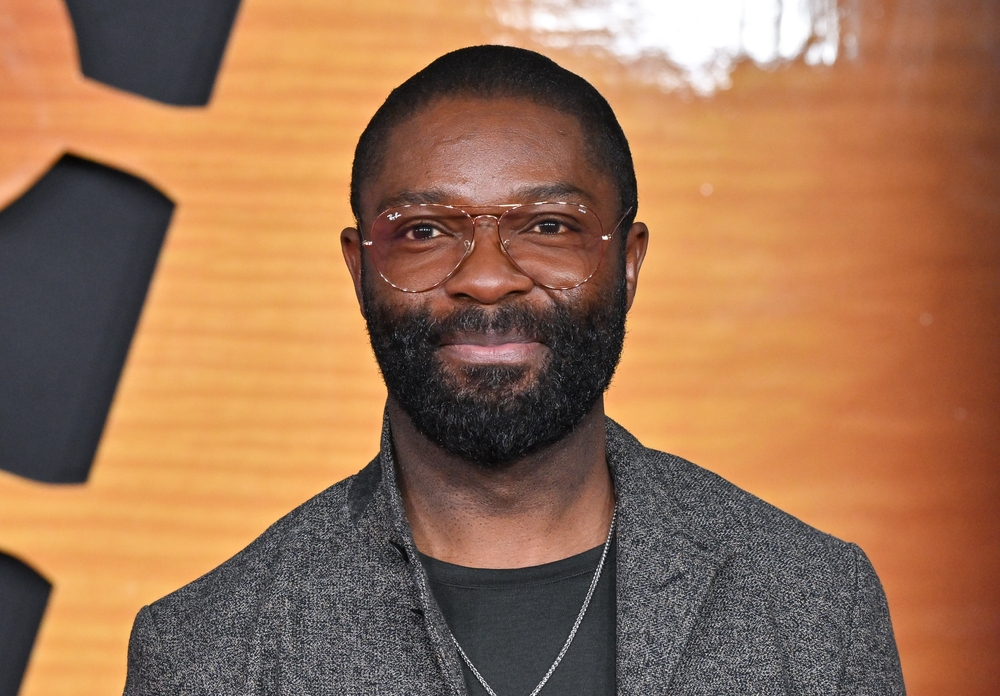
So, according to British-Nigerian actor David Oyelowo, southern Black speech is just a Nigerian accent damaged by slavery.
That’s fascinating, coming from a man whose people speak with the King’s English lodged in their throats and wearing the empire’s language like ancestral jewelry while pretending colonialism hasn’t shaped their own linguistic world or their views of Black Americans.
And this is exactly why a viral clip of Oyelowo on the One54 Africa podcast has triggered such backlash, before he later issued an apology via an Instagram post.
“I want to apologize unreservedly to all those who were rightly offended by my comments on the One54 Africa podcast regarding Southern Accents. It was the wrong thing to say and it is not how I feel,” Oyelowo wrote.
“I have nothing but deep respect and great love for Black people of all kinds, especially those from the American South,” he continued. “Reducing a dialect born from the richness and resilience of Black Southern culture to anything less was careless and wrong.
“All I truly care about is lifting up my Black brothers and sisters from all places through my work and my words. Please forgive my failure to do that in this instance.”
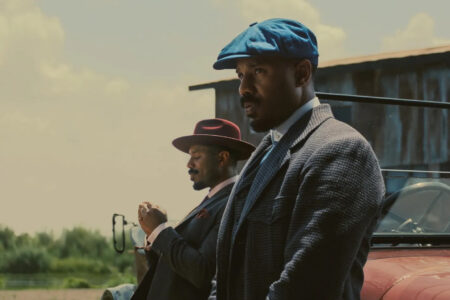
Oyelowo, who has portrayed Black American characters including Martin Luther King Jr. in Selma, Bass Reeves in Lawmen, Louis Gaines in The Butler, Preacher Green in The Help, and Joe “Lightning” Little in Red Tails, was asked about African actors playing African Americans and how he’s able to move smoothly through different accents. But he didn’t just discuss the nuances of dialect. It was how he described his idea of Southern Black blackness that ticked folks off.
As Oyelowo performs the Black American accent, he slowly drops his head as his voice gets lower and slower, with a heavier Southern-sounding drawl. He stretches the vowels, rounds the words, and gives the delivery a subdued, almost bowed slave quality.
He said, “If you take the Nigerian accent, like this, and you slow it down, you put a lot of slavery in there, and then you start to put a little bit of subservience in it, this is what starts to happen to the Nigerian accent.”
Seasoned with subservience, y’all.
And then after this performance, he returns to a Nigerian accent. His body straightens, and his chest opens, his face brightens, the pitch and energy of his voice lifts, and the consonants snap back into a brisk Nigerian cadence. We literally witness a linguistic liberation from southern Black bondage as African fluency is restored.
“Now we are free! Now we are free! We are released,” he says.
That performance was giving the courtroom scene in the movie Amistad, where Cinqué rises to his feet with his chains shaking and cries, “Giv us, us free!” Cinqué’s cry is broken English forced through captivity, while Oyelowo’s bit made Black southern speech the broken thing that needs liberating.
The podcast hosts laughed along and seemed awed by the actor’s charming display of linguistic range. But strip away the humor for a moment, and what you’ll hear underneath all that dialect work is a man casually giving voice to a familiar old diaspora condescension and insult that says southern Black folks were damaged by bondage, slowed by suffering, bent into servility, and our speech is a degraded inheritance. Never mind the fact that Black Americans created one of the most powerful, adaptive, and influential linguistic traditions in the modern world.
Continue reading on NewsOne.
Thanks for reading. If this piece resonated with you, then please consider becoming a paid subscriber. Paid subscriptions help keep my Substack unfiltered and ad free. They also help me raise money for HBCU journalism students who need laptops, DSLR cameras, tripods, mics, lights, software, travel funds for conferences and reporting trips, and food from our pantry. You can also follow me on Facebook!
We appreciate you!