





Let’s start with the sentence people say like it’s proof of something: “I was hit as a kid and I turned out fine.”
No. You didn’t.
That sentence is not evidence. It’s a confession. It’s anectdata. And it’s the sound of someone standing in the ruins of their own childhood, brushing the dust off their shoulders, and insisting the collapse was just “how houses are built.” It’s what survival sounds like when it’s been mistaken for health. It’s what adaptation sounds like when it’s been rebranded as strength.
Because here’s the truth many folks don’t wanna sit with: children are not built to withstand violence from the people they love. Period.
Children are built to attach to those people. To trust them. To read their faces as safety, their voices as guidance, and their touch as protection. So when that same hand becomes the thing that hurts them and when love and pain come from the same source, the child doesn’t have the luxury of saying, “This is wrong.” They don’t say their parent is unsafe. They do what they must to preserve the attachment because their survival depends on it. They say this must be what love feels like. That’s the original wound.
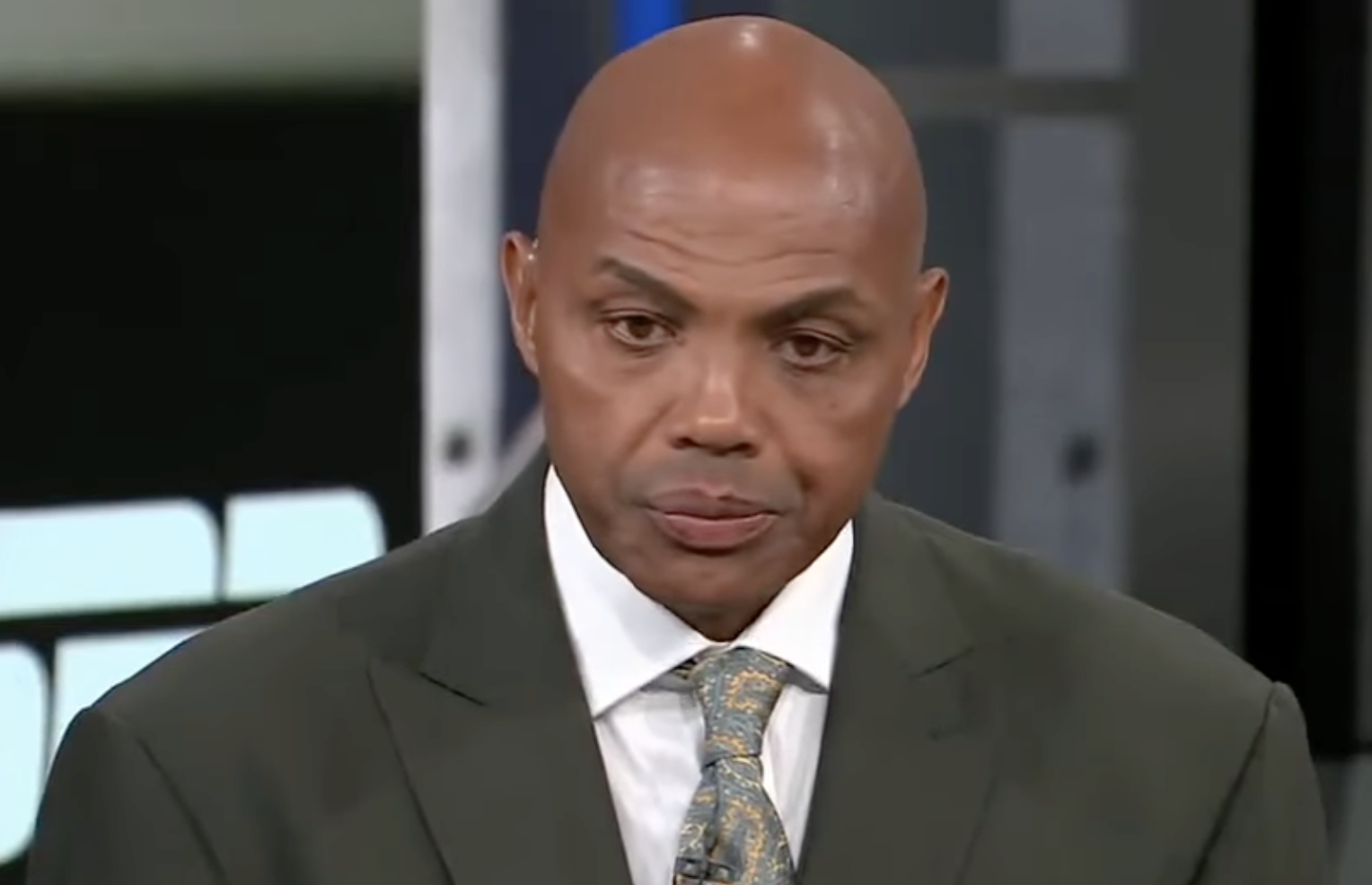
Think about Charles Barkley’s latest comments on The Dan Patrick Show, where he defended spanking children by saying parents should “whoop their ass.” He argued that if you don’t spank kids, they grow into “brats,” because you “can’t rationalize with kids” and physical punishment “gets the message across.” This is the same man who years ago defended Adrian Peterson after he whipped his young son with switches so severely it lacerated his testicles.
And what Charles Barkley, and millions of people like him, are defending isn’t discipline. They are defending the only story they were allowed to tell themselves in order to survive. Because if you admit that what happened to you was harm, then everything shifts. If it was harm, then it wasn’t necessary. If it wasn’t necessary, then it wasn’t love. If it wasn’t love, then the people you depended on failed you. And if they failed you, then the ground you built your identity on starts to crack.
So instead, people build a psychological shelter over the damage. They reframe it, rename it, and sanctify it. They call it discipline. They call it culture. They call it religion. They call it how they were raised. They call it what’s wrong with kids today. They call it anything—anything—to avoid calling it what it was.
Because grief is waiting on the other side of that truth.
And not soft grief either. The kind of grief that makes your chest feel like it’s caving in when you realize you were small and someone bigger than you chose violence instead of care. The kind that makes you revisit moments you’ve laughed off your whole life and suddenly see them clearly. You see the fear, the confusion, the way your body braced before your mind could even process what was happening. That grief doesn’t just ask you to feel sad. It asks you to confront betrayal.
And a lot of people would rather stay loyal to the people who hurt them than betray the story that kept them emotionally intact.
So they defend it loudly, aggressively, and with a kind of anger that feels completely out of proportion until you understand what’s actually being threatened. Because when you say hitting children is harmful, they don’t hear a policy argument. They hear that something was done to them that should not have been done. And if they let that sentence land, it opens a door they’ve spent their entire lives keeping shut.
So they slam it.
They mock you.
Dismiss you.
Call you soft.
They start listing all the ways children are supposedly manipulative, disrespectful, and out of control. They say anything to make the child seem like the problem instead of the adult. Notice how quickly the conversation shifts. It’s never just that they think hitting children works. It becomes a sweeping indictment of children themselves.
“These kids today.”
“Kids today are terrible.”
“Kids don’t listen.”
“Kids are out of control.”
“Kids are beating parents.”
“Kids are killing their parents.”
Because if the child can be made into the threat, then the violence can be reframed as protection. And now they don’t have to sit with what was done to them. They can stand in it, justify it, and pass it down. That’s how trauma becomes tradition. That’s how pain gets recycled and renamed as wisdom.
And that’s why people get so angry at those who refuse to participate. Because your refusal is a mirror. You are standing there, calm, saying there is another way. There always was. And that is unbearable to someone who was never given that option. Because now it’s not just about what happened to them. It’s about what didn’t have to happen. And that realization carries a kind of grief that people will do almost anything to avoid.
So they defend the very thing that hurt them. They act like Charles Barkley and become its spokesperson. They sit on national television and laugh about it, normalize it, wrap it in nostalgia, and turn it into a punchline. Because if they can make it seem ordinary, if they can make it seem necessary, then they don’t have to feel the full weight of what it cost them.
But you can always hear it in the tightness of the argument, in the rehearsed phrases, in the way they repeat the same lines like scripture: “I turned out fine.” No. You learned how to survive something you shouldn’t have had to survive. You learned how to disconnect from your own pain and call it discipline. You learned how to make sense of something that didn’t make sense.
And now, when someone offers you a different framework rooted in dignity, gentleness, and respect, you don’t feel relief. You feel threatened. Because healing would require you to go back, to feel what you didn’t get to feel, to grieve what you didn’t get to have, and to admit that the version of “fine” you’ve been clinging to came at a cost.
That’s the psychology behind all this. Not strength. Not toughness. Not culture. Not religion. Grief. Unprocessed, unspoken, and fiercely defended grief. And until people are willing to face it, they will keep doing what people like Charles Barkley are doing right now. Standing in front of a global audience, defending the very thing that broke them. Calling it discipline. Calling it culture. Calling it tradition.
And calling it love is the final lie.
It’s the one that keeps the child who had to justify their own oppression alive inside you, and still protecting what broke them.
Thanks for reading. If this piece resonated with you, then please consider becoming a paid subscriber. Paid subscriptions help keep my Substack unfiltered and ad free. They also help me raise money for HBCU journalism students who need laptops, DSLR cameras, tripods, mics, lights, software, travel funds for conferences and reporting trips, and food from our pantry. You can also follow me on Facebook!
We appreciate you!