



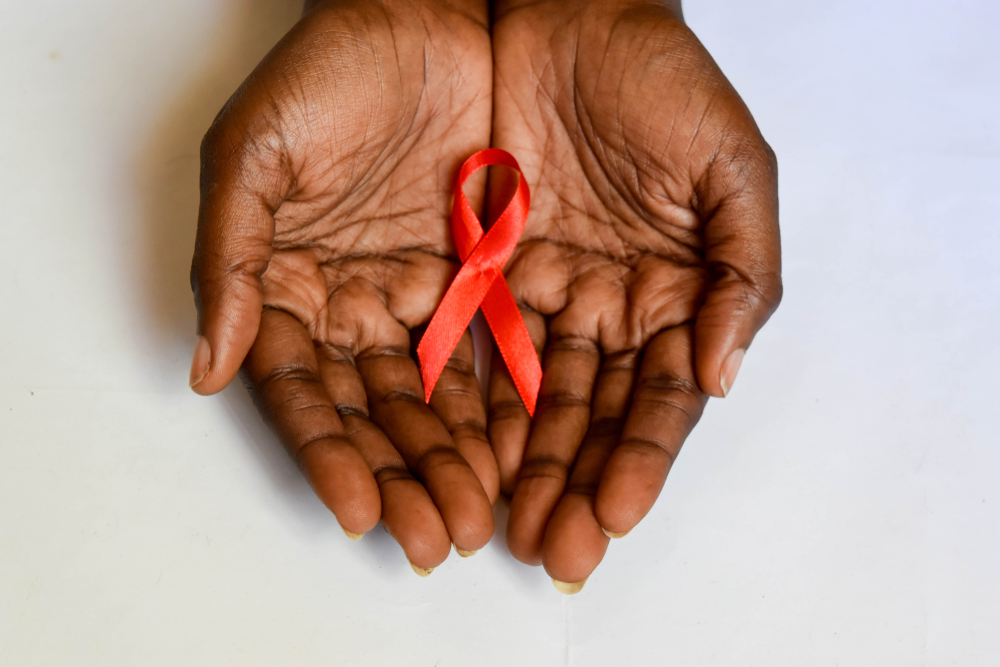
Imagine a world where keeping HIV at bay is as simple as a single monthly pill.
And the best part? It’s affordable for everyone, everywhere.
Thanks to a groundbreaking partnership between pharmaceutical giant Merck and independent, generic manufacturers, that future is inching closer to reality. They are set to mass-produce a budget-friendly version of its innovative long-acting prevention medication.
By opening the doors to wider production, the initiative isn’t just smashing through financial and logistical barriers. It’s lighting the way to a world that can finally breathe without the heavy shadow of the epidemic hanging over it. It also shows that the dream of a healthier future is more than just wishful thinking. It’s something tangible that we can reach for.
However, everyone needs access to it.
Here’s everything you need to know.
Last Friday, Merck announced royalty-free, non-exclusive voluntary licensing agreements with seven generic manufacturers to produce and distribute lower-cost versions of alimatravir (MK-8527) – an investigational, once-monthly oral pill for what is called HIV pre-exposure prophylaxis, or PrEP – across 129 low- and lower-middle-income countries.
The pill is currently being tested in an advanced trial with young women in three countries in sub-Saharan Africa. There is also a different trial happening in various countries in Latin America, Asia, Europe and Africa that includes transgender people and men who have sex with men.
The goal is to ensure that the drug is readily available in developing countries, provided that the results of the clinical trial, which are expected next year, are positive.
According to The New York Times, last year, UNAIDS (a United Nations agency), reported 1.2 million new HIV infections. Although there are more ways to prevent the virus nowadays, unfortunately many of the most at-risk individuals don’t have access to them. Additionally, progress in reducing H.I.V. transmission has slowed down over the last 18 months due to major cuts in funding from the U.S. government and other key donor nations.
A recent study by the Clinton Health Access Initiative revealed that in 2025, there was a 42% drop in the number of people starting oral PrEP in 10 sub-Saharan African and Asian countries with high HIV. rates compared to the previous year. With that in mind, in addition to the production of the medication, Merck stated that it would also create a temporary supply to be sold to these countries at no profit, until the product receives regulatory approval and becomes available.
Merck will provide royalty-free licensing to four generic manufacturers in India and three in sub-Saharan Africa, specifically in Uganda, Kenya and South Africa. It aims to support local manufacturing efforts, which remain a priority for the African Union, as the continent was largely left out of COVID vaccine access until a year after the rest of the world.
Alimatravir requires only a small amount of its active ingredient and comes in a standard oral form, so it allows manufacturers to produce it in large quantities at an affordable price. In fact, although Merck hasn’t revealed a price, companies could potentially sell it to national health systems for as little as $5 per person each year, according to The Times. However, Merck’s announcement about this product is quite unusual because it came before the final results of the clinical trials. Experts say this approach appears to be a strategy to sidestep some of the challenges other PrEP products have encountered during their market introduction. Supporters of HIV treatment and care are collaborating with Merck to make certain that if the trial results confirm its effectiveness, the drug will be easily accessible.
“Our engagement with pharma has always been fights, but it is amazing to sit with them and have them say, ‘We are learning from the other products,’” Kenneth Mwehonge, the executive director of the Coalition for Health Promotion and Social Development in Uganda, said in a recent interview. “It all sounds good for now, but we will wait to see how it’s put to action.”


Doctors note that alimatravir only requires 12 pills a year, which would be much simpler to provide than an injection, so it could be given out in places like hair salons and high schools, not just clinics. Mr. Mwehonge mentioned that a young woman could grab a year’s worth of the medication when she picks up her birth control pills.
The agreement is a major step forward in making essential medications easier to get across Africa and certain Asian countries like Cambodia and Thailand, where there are large populations living with H.I.V. Still, it notably excludes Brazil, which is grappling with a staggering 55,000 new infections annually. In addition, other Latin American countries, including Colombia, Mexico, Peru and Chile, are not included in the agreement, even though they are all locations for clinical trials of the drug. This raises important questions about equitable access to life-saving treatments, especially in regions with high HIV prevalence.
At the end of the day, this Merck deal is a massive step forward for the communities it actually reaches. But let’s keep our eyes on the bigger picture because the silence surrounding the left-behind nations is deafening – quality healthcare is a human right, not a postcode lottery.
Everyone should count or nobody truly wins.