







November marks Alzheimer’s Awareness Month.
Created in 1983, the month aims to support more than 7 million Americans diagnosed with the illness and increase public knowledge about the disease.
In honor of the month, here are four ways to support those with dementia.
Read about Alzheimer’s to better understand it. Many books have been published detailing how the disease affects those diagnosed with it. Along with caregiver guides designed to provide support to the families who have a loved one diagnosed with dementia, such as “The 36-Hour Day” and “Still Alice“, nonfiction books exist that detail how Alzheimer’s affects people firsthand.
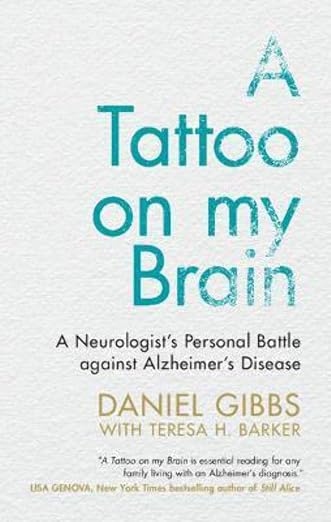
Released in 2021, Dr. Daniel Gibbs’ “A Tattoo on My Brain” details his experience as a doctor who treated people with dementia for 25 years and became a patient himself.

Join an event. Throughout the month, organizations have held events to raise awareness of how dementia develops and to support those already diagnosed. The Alzheimer’s Foundation of America provides educational programs, including those based around detecting dementia and picking up on the differences between the disease and other illnesses such as depression.
On Dec. 2, the organization will also hold events for family members to discuss how to navigate their positions as dementia caretakers. The Alzheimer’s Association also holds walks to encourage people to develop healthy habits, such as walking, to help prevent dementia. Their webinars are also free to attend. They offer real-time conversation on how dementia works and what resources are available to those diagnosed.

Donate. Organizations such as the Alzheimer’s Foundation of America, the Alzheimer’s Association, Alzheimer’s Impact Movement, the Cure Alzheimer’s Fund and the Fisher Center for Alzheimer’s Research Foundation all accept donations. Donations go toward hosting events, supporting public conversations on dementia, increasing attention to the disease, and potentially finding a cure. As of now, there is no cure for Alzheimer’s, partially because it is closely related to a number of diseases.
Spread the word. This Alzheimer’s Awareness Month, keep the conversation going even after November is over. Be vocal and take part in conversations pushing dementia to the forefront of medical issues, drawing to light the effect it has on those diagnosed as well as on loved ones.