




Radio host Karen Hunter’s conversation with educator and longtime Cuba solidarity activist Dr. Rosemari Mealy directly challenged one of the most common narratives about the island: that Cuba’s worsening shortages and blackouts can be understood without discussing more than six decades of U.S. pressure.
Mealy, author of “Fidel and Malcolm X: Memories of a Meeting,” recently returned from Cuba after attending conferences and delivering humanitarian supplies. Speaking to Hunter, she said Pastors for Peace, an organization she works with, transported “60,000 pounds of material aid” for hospitals and health care centers.
Travel from the U.S. remains restricted, but Treasury Department regulations permit travel under 12 authorized categories, including humanitarian projects and “support for the Cuban people.” Tourist travel remains prohibited.
What Mealy encountered on the island was not a country free of hardship.
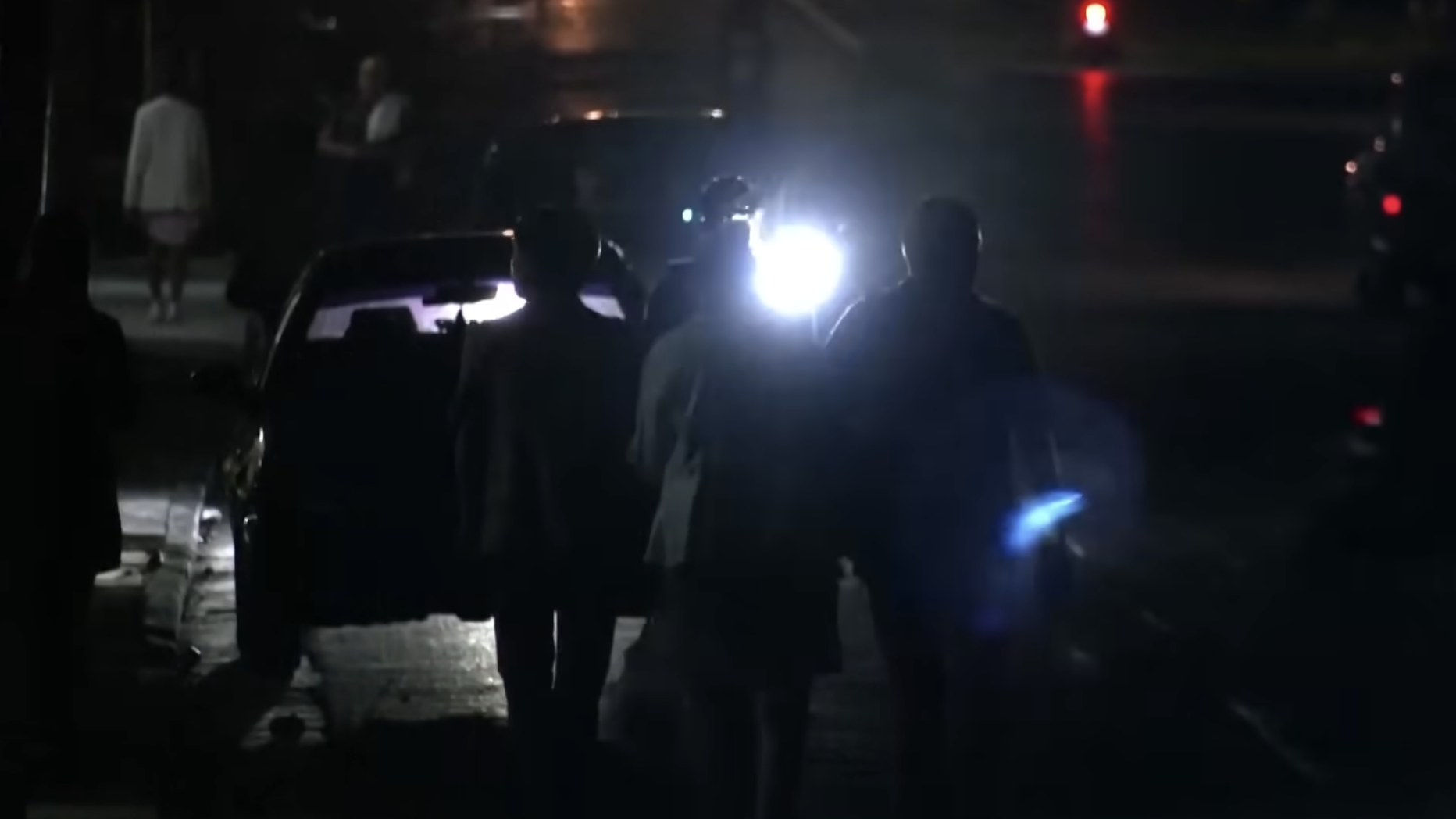
“I lived under the rolling blackouts,” she revealed. “I see people who are struggling every day to make ends meet.”

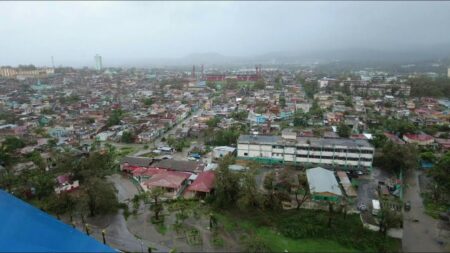
Those problems have grown increasingly severe as Cuba’s electrical grid collapsed nationwide in August, another major failure of an aging system already struggling with fuel shortages and underinvestment. Locals have endured prolonged outages as access to electricity, water and transportation has become increasingly unreliable.
The conflict between Cuba and the U.S. extends back generations.
After Spain relinquished control of Cuba following the Spanish-American War, U.S. forces occupied the island until 1902. The U.S. then retained the right to intervene under the Platt Amendment, which remained in place until 1934. Washington later maintained close relations with the government of Fulgencio Batista.
After Fidel Castro’s revolution took power in 1959, relations deteriorated. The United States severed diplomatic ties in 1961, and economic restrictions evolved into the sweeping embargo associated with the Kennedy administration. The 1996 Helms-Burton Act later codified central elements of the embargo into federal law. President Barack Obama restored diplomatic relations in 2015, but the embargo remained.
“Everybody talks about it as if it’s the problem of the government without talking about the historical relationships or how did Cuba get there,” Mealy stated.
U.S. pressure intensified further in January of this year when President Donald Trump signed an executive order allowing additional tariffs on products from countries determined to be supplying oil to Cuba. A separate May order expanded the government’s ability to sanction foreign people and institutions connected to sectors of the Cuban economy, including energy and financial services.
In June, Washington took things a step further when it sanctioned Cuba’s state oil company, CUPET, creating additional obstacles to securing fuel.
Mealy did not propose that Havana bears no responsibility for its problems.
“I’m not saying that everything is great there,” she continued, acknowledging that there are Cubans who “disagree with the politics of the government” and people who have left the country for economic reasons.
“You cannot talk about what is going on there unless you talk about the origins of it,” Mealy added.
Ordinary Cubans are living with the consequences. Schools reopened this week amid shortages of fuel, water, electricity and basic supplies. Power cuts have disrupted the production of school uniforms, while transportation and staffing shortages continue to strain classrooms. Hospitals have also struggled with fuel shortages, blackouts and limited medical resources.
Yet Mealy said Cubans continued organizing community and international events despite those conditions, with more than 1,000 people from 66 countries attending one conference during her visit.
“They made it happen for us,” she told Hunter. “[…] People need to go there and see for themselves. This is the moment to do that.”