

There are few things that still surprise me in this political climate. And yet, again and again, it’s the audacity of white women that catches me off guard. I’ve addressed this on our social media channels more than once, and every single time I criticize the actions of a white woman, we lose followers. Loudly. White women announce their departure in our comments like it’s an airport. My position is simple though: if I don’t call out white women, as a white woman myself, who will?
Last weekend, I was reminded of exactly why I keep asking that question. Let’s dive in.
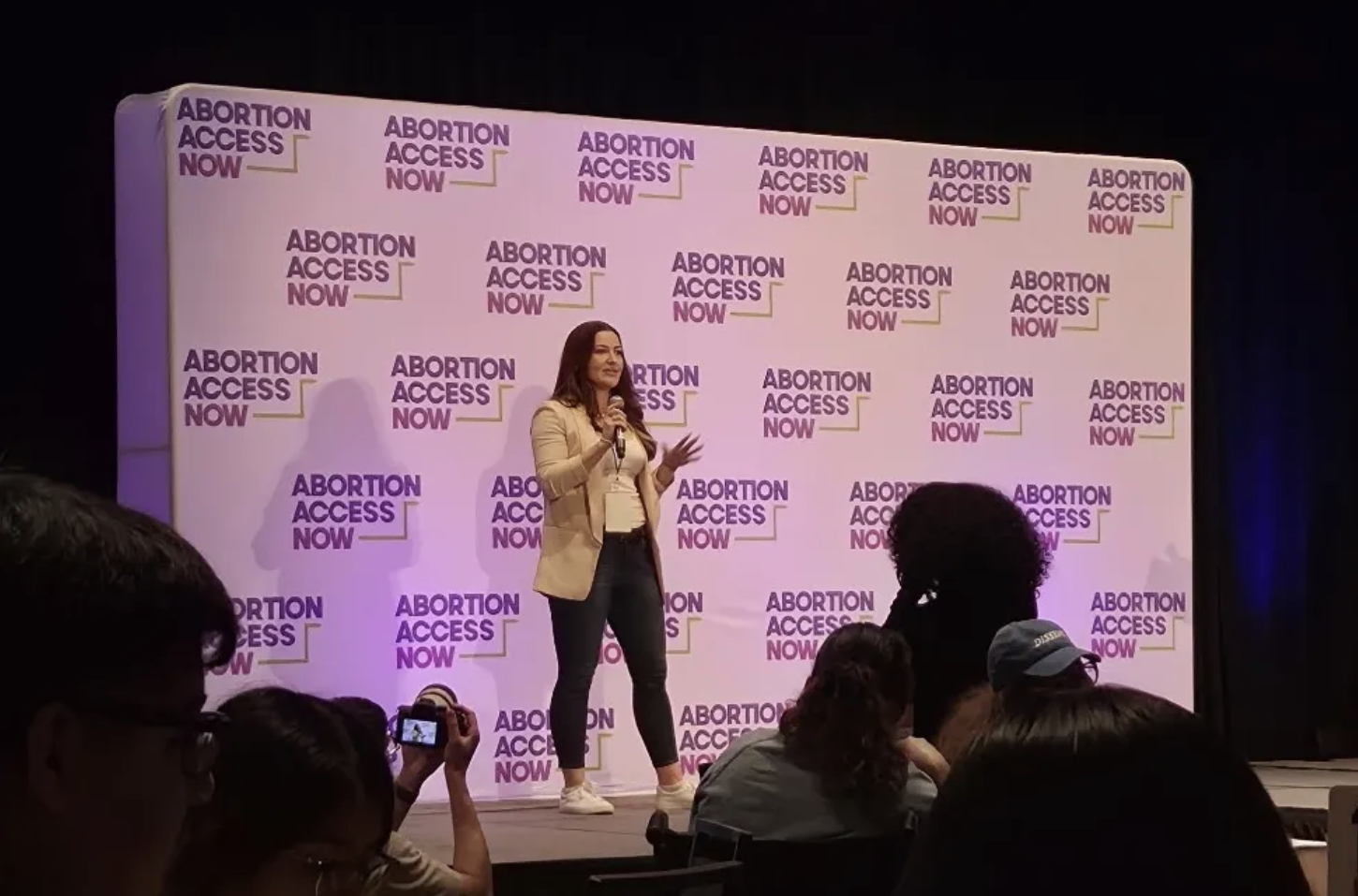
Women in America was recently invited to speak at a conference hosted by the Abortion Access Now campaign, focused on training the next generation of reproductive rights activists. The far right has dominated social media for over a decade. Joe Rogan. Bro podcasts. An entire media ecosystem built to move people right. Investing in progressive voices, especially those doing real organizing on the ground, is not optional anymore. We put together a presentation on how to talk about abortion on social media, and it landed. There were roughly 30 people waiting to talk to us afterward.
One white woman nearly derailed the whole thing.
During the session, I made a point about identifying disinformation by paying attention to where an account is posting from. The example I used: in fall 2023, several accounts were posting violent anti-Palestine propaganda, and those accounts were later verified to be based in Israel. I used it as a case study in basic media literacy. How long has the account existed? How many posts does it have? Where is it located? I also shared the example that if an account is posting anti-progressive content during a US election cycle and it’s based in Russia, that’s a signal worth noting. The broader point is that geographic origin is one data point among several that matters when identifying bias in digital content.
Before I could finish the exercise, this woman walked to the front of the room and launched into a tirade…at me. I had personally offended her with my comments about Israel, she said, and she would be leaving the session. She wanted to make sure I knew it.
Continue reading over at the Women in America Substack.
Become a paid subscriber today. Because reproductive freedom can’t wait, and neither can we.