





On this day in 1964, 75 peaceful demonstrators protesting racial segregation in St. Augustine, FL, were attacked by more than 500 white people in what was known as one of the most violent days of the Civil Rights Movement.
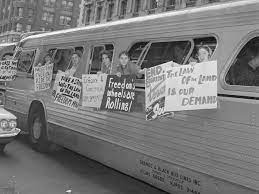
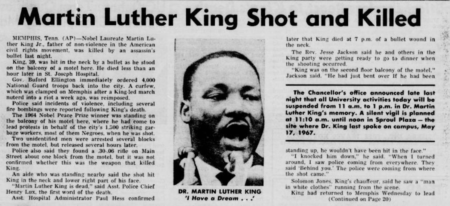
Amongst those attacked was SCLC leader C.T. Vivian. Vivian was a close ally of Rev. Dr. Martin Luther King Jr and was strongly involved in pre-Civil Rights Movement protests. Throughout the 1940s, he was heavily involved with organizing lunch-counter sit-ins in Peoria, Illinois. During the 1960s, he and Dr. King organized Freedom Rides across the South to protest against racial segregation.
He was almost killed in St. Augustine when a group of white people, including the police, used chains to nearly drown him. The violent confrontation led to the hospitalization of 19 people. A majority of them were announced as being in critical condition.
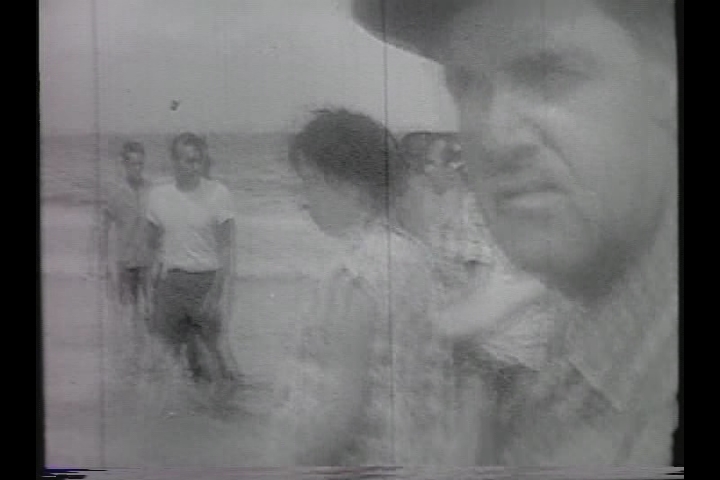
The protestors who had gathered at St. Augustine Beach in Florida were taking part in a demonstration known as a “wade-in.” Conceptualized by council members Ira P. Davis and Lawson Thomas in the 1940s, the “wade-ins” were meant to draw attention to swimming facilities and the existing segregation in public spaces such as Baker’s Haulover Beach and Lido Beach. Through “wade-ins,” Black Americans could enter the waters and enjoy the beach. If they were arrested, legal teams could officially challenge segregation in court.
Civil rights groups also began to draw attention to the lack of public beaches. Although a request was made for a public bathing beach for Black Americans, the request was never addressed. When plans were initially developed, they did not materialize until Broward County purchased a strip of land in the Everglades. The area chosen was not accessible to citizens, however, and no road was available to use.
On October 3, 1955, 100 Black Floridians staged the first of the mid-1950s wade-ins. Throughout the next five years, the wade-ins began to garner more attention. The federal courts had already provided legal ammunition for desegregation, ordering that Black residents should be allowed to use public swimming spots.
The police, however, did not enforce the federal court’s ruling, allowing facility owners to continue their discriminatory rules. By 1961, the NAACP continued to organize frequent “wade-ins” in Fort Lauderdale. Although there was no physical violence, the protestors were often met with hate group members, the police and other white people wielding weapons.
Black protestors were arrested for their part in the “wade-ins” for allegedly “disturbing the peace.” With the NAACP’s support, however, a Florida state judge ruled against segregated beaches.
On June 17, 1964, the first of the “wade-ins” in St. Augustine was held by 35 people. While this “wade-in” was successful, the next week’s “wade-in” was prevented from happening by white beachgoers who created a physical blockade for the shoreline. A group of 300 white people marched to protest integration on beaches.
Other subsequent “wade-ins” were marred by attacks using acid, an off-duty police officer physically beating the swimmers and assaults on supporters of the “wade-ins,” including State Senator Verle Pope.
The beaches were eventually desegregated through the passage of the Civil Rights Act. Signed into law on July 2, the legislation was implemented after significant political pressure from members of the Civil Rights Movement and the attack on protestors at St. Augustine. Images from the attack drew nationwide attention to the movement’s mission.
Through the Civil Rights Act of 1964, segregation in public places was banned as well as employment discrimination based on race, gender, religion and national origin.
Following its passage, segregation on the beach was officially banned as acts against the latest law were criminalized, making it impossible for police officers and facility owners to continue to deny Black residents access to swimming facilities.