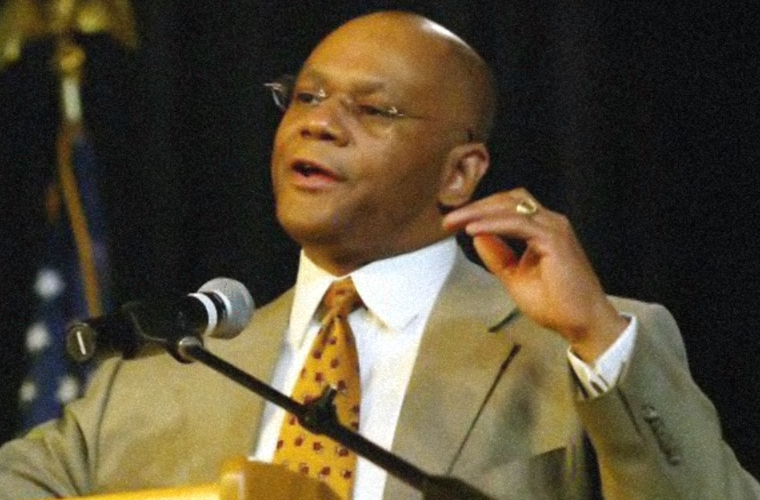






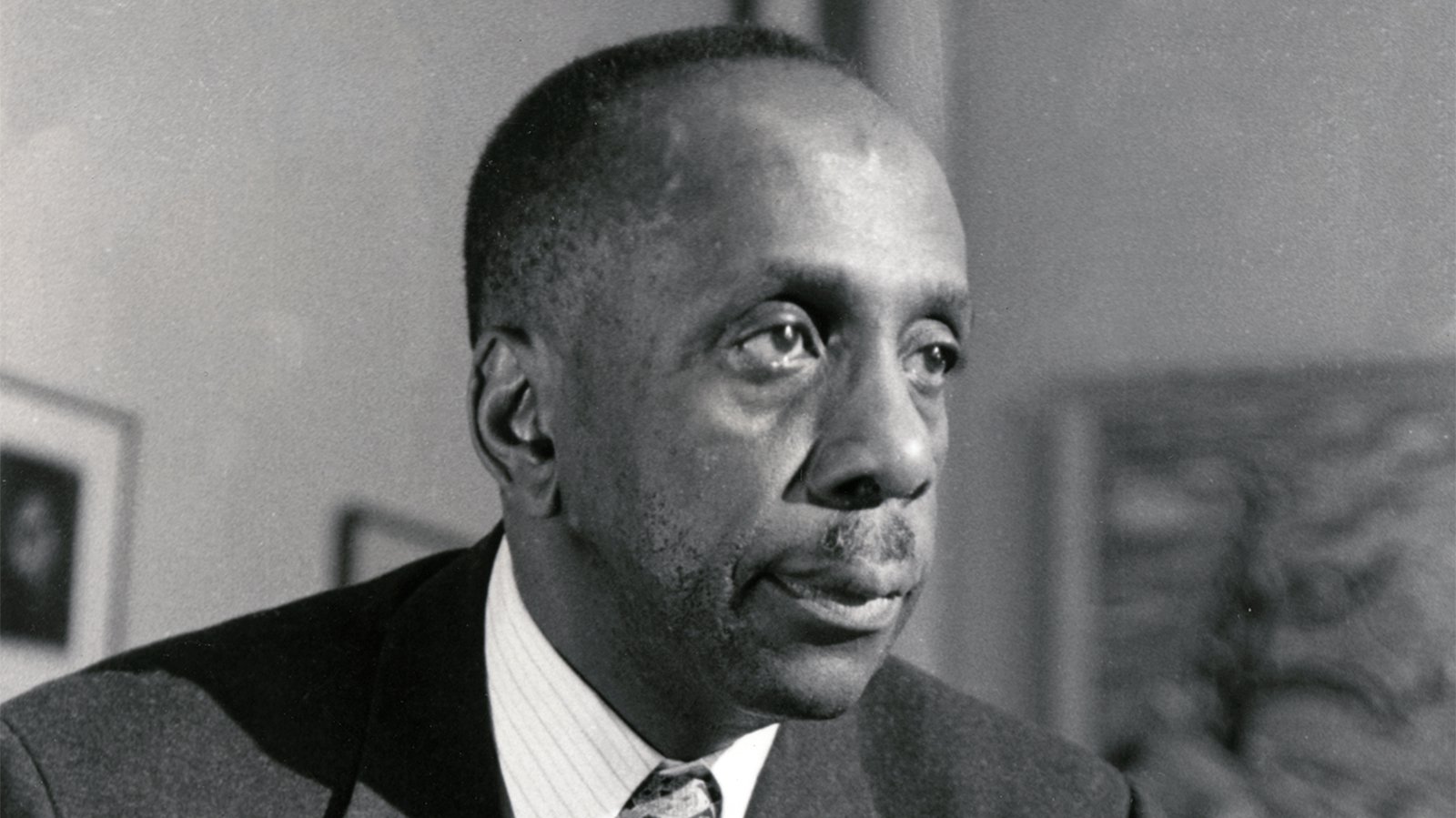
On November 18, 1899, Howard Washington Thurman was born in Daytona Beach, Florida. He would go on to become a respected author and civil rights figure whose work influenced the direction of social justice movements in the 20th century.
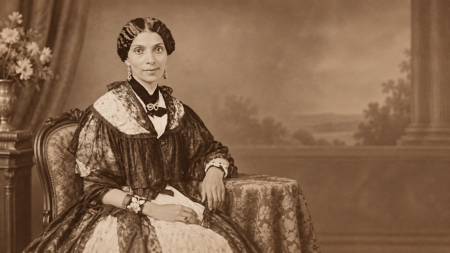
Thurman grew up in the Black community of Waycross in Daytona Beach. His grandmother, Nancy Ambrose, who had been enslaved in Florida, played a central role in his early religious development.
After the death of his father when Thurman was seven, he continued his education and later attended the Florida Baptist Academy in Jacksonville. He went on to graduate as valedictorian from Morehouse College in 1923 and from Rochester Theological Seminary in 1926. He was ordained as a Baptist minister in 1925.
“When I was a boy I was always drawn to worship when I saw a storm come up on the shores of the Atlantic Ocean on the Florida coast. A stillness pervaded everything. The tall sea grass stood at attention. As far out as my eye could go the surface of the sea was untroubled, quiet, but expectant. I could almost hear the pounding of my own heart against my ribs.”
Throughout his career, Thurman held several important academic and religious positions. He served as pastor of Mount Zion Baptist Church in Oberlin, Ohio, and as a faculty member at Morehouse College and Spelman College. In 1932, he became the first dean of Rankin Chapel at Howard University. In 1935 and 1936, he traveled to India as part of a delegation that met with Mahatma Gandhi, a meeting that later influenced his priority on nonviolence.
In 1944, Thurman co-founded the Church for the Fellowship of All Peoples in San Francisco with Alfred Fisk. It is recognized as the first central interracial and interdenominational church in the U.S.. In 1953, Boston University appointed him dean of Marsh Chapel and a faculty member in the School of Theology. His writing, particularly the 1949 book Jesus and the Disinherited, significantly influenced civil rights leaders, including Martin Luther King Jr.
“If a person knows what he can do to you or what epithet he can hurl against you in order to draw you off balance – to make you lose your temper, your equilibrium – then he can always keep you under subjection. The basis of inner togetherness, one’s sense of inner authority, must never be at the mercy of factors in one’s environment, however significant they may be. Nothing from the outside a person can destroy him until he opens the door and lets it in… Whatever determines how you feel on the inside controls in large part the destiny of your life.”
After retiring from Boston University in 1965, Thurman directed the Howard Thurman Educational Trust in San Francisco. He authored around 20 books and continued speaking and teaching.
Howard Thurman died on April 10, 1981, in San Francisco at the age of 81. His work is preserved in the Howard Thurman Papers and related archival projects.
Institutions such as the Howard Thurman Center at Boston University and the Thurman Chapel at Howard University commemorate his legacy.