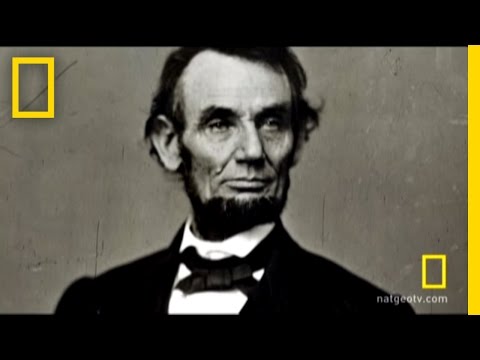




Shortly after the Battle of Antietam, former President Abraham Lincoln issued a preliminary decree to end slavery in Confederate states on September 22, 1862. However, the following year on January 1, 1863, all enslaved individuals in the states that were engaged in rebellion against the Union were officially considered “then, thenceforward, and forever free.”
This decree was known as the Emancipation Proclamation. The proclamation allowed black soldiers to fight for the Union, which was in desperate need of soldiers, and it paired the issue of slavery directly with the war.
Despite common misconceptions, the Emancipation Proclamation did not free every enslaved person. Only those enslaved who were living in states not under Union control were declared free. President Lincoln recognized the irony of his decision, but he did not want to antagonize the states loyal to the Union by setting their enslaved individuals free.
Lincoln was opposed to slavery, so by the start of the 1850s, he believed that enslaved peoples should be emancipated and began advocating for a program that would gradually free them. Early in the Lincoln administration, he attempted to win over legislators to support his plans for gradual emancipation, even suggesting compensation for the loss of those enslaved, but it did not garner much support.
During the Civil War, abolitionists argued that freeing those enslaved in the South would help the Union win the war because enslaved labor was vital to the Confederate war effort. The Lincoln administration had also begun to construct the outline for what would become the Emancipation Proclamation.
The signed version of the Emancipation Proclamation did not include many of the mentioned ideas by Lincoln, such as gradual emancipation, compensation for slaveholders or black emigration and colonization, which was a policy Lincoln had previously supported. He justified the proclamation as being a wartime measure and made sure that it was only applicable to Confederate states in rebellion against the Union.
The Emancipation Proclamation was impactful in the sense that superpowers like Great Britain and France, which were considering supporting the Confederacy, backed off and did not get involved. It also allowed African Americans to serve in the Union Army for the first time. Nearly 200,000 participated by the end of the war. Ultimately, the proclamation made a pathway for the overall abolition of slavery in the United States.