

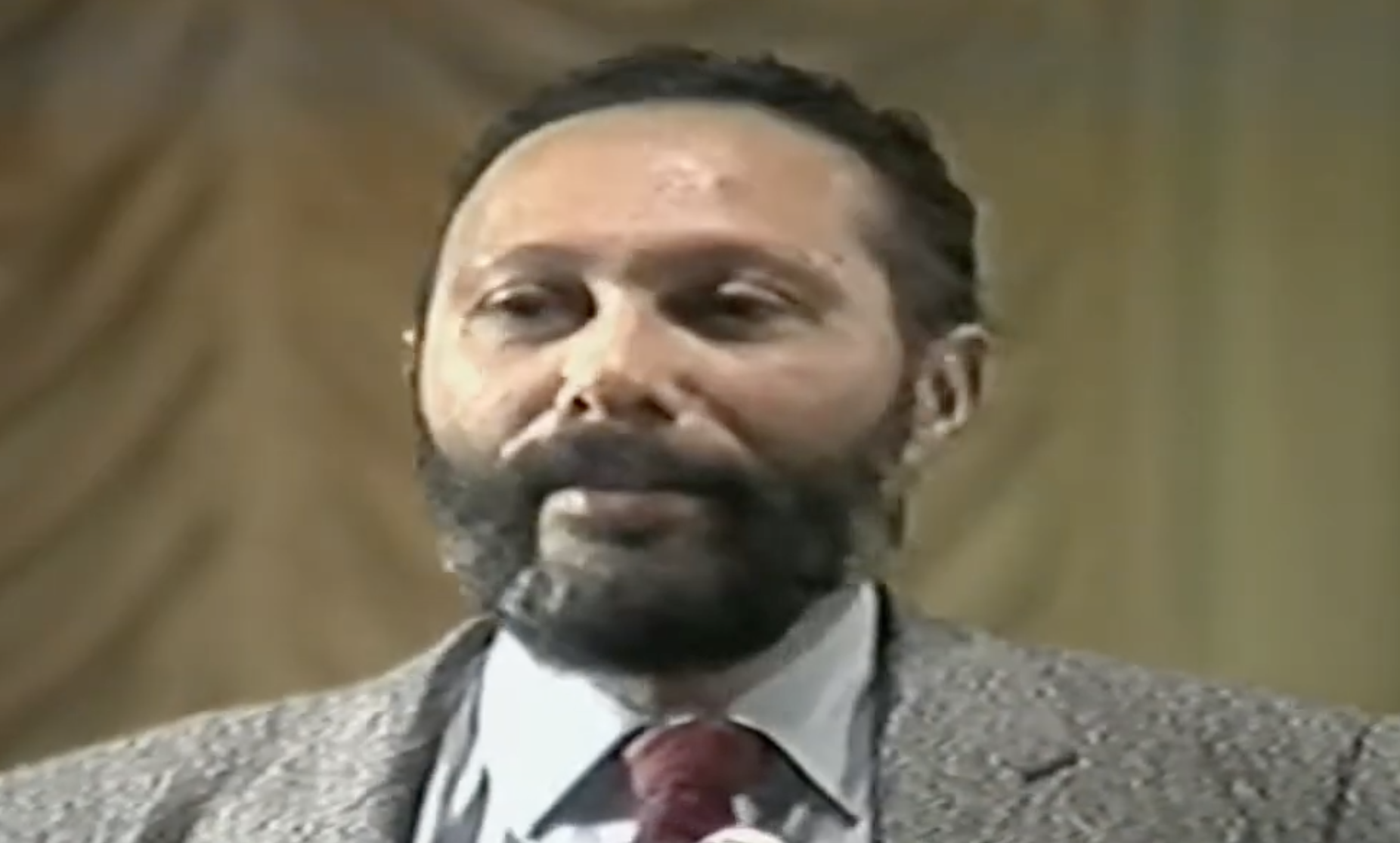
On this day in 1932, Stuart Hall was born in Kingston, Jamaica, a thinker who would reshape the study of race and media in Britain and beyond.
Hall arrived in Britain in 1951 as a Rhodes Scholar at Oxford, part of the Windrush generation. Politics soon overtook literature as his main focus, especially after the Suez Crisis and the Soviet invasion of Hungary in 1956. He became a founding editor of the New Left Review and helped define a new kind of left-wing intellectual life that combined theory with everyday culture.
In 1964, Hall joined the Centre for Contemporary Cultural Studies at the University of Birmingham and later became its director. There, he pushed cultural studies beyond class to take race, gender, and media seriously. His work argued that culture was not neutral entertainment but a battleground on which power and identity were constantly negotiated.

Hall is best known for his “encoding and decoding” model of communication, which challenged the idea that audiences passively absorb media messages. He showed how viewers interpret news and television through their own social positions, sometimes accepting dominant meanings and sometimes resisting them. His writing on “Thatcherism” in the late 1970s also helped explain how political ideas could be built through culture as much as through policy.
In 1979, Hall moved to the Open University as a professor of sociology, where his lectures reached thousands of students and helped bring cultural theory into public education. He later became president of the British Sociological Association and remained an influential voice in debates about multiculturalism and identity.
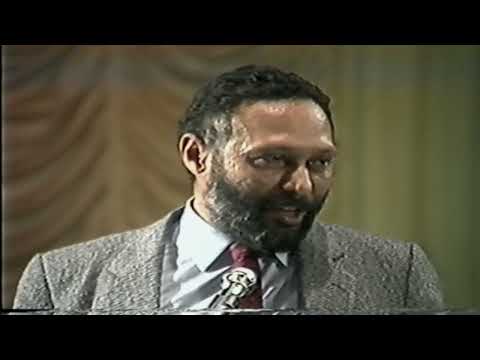
Hall died in 2014, but his legacy continues through the Stuart Hall Foundation and through generations of scholars, artists and filmmakers who cite him as a guide for their works.