


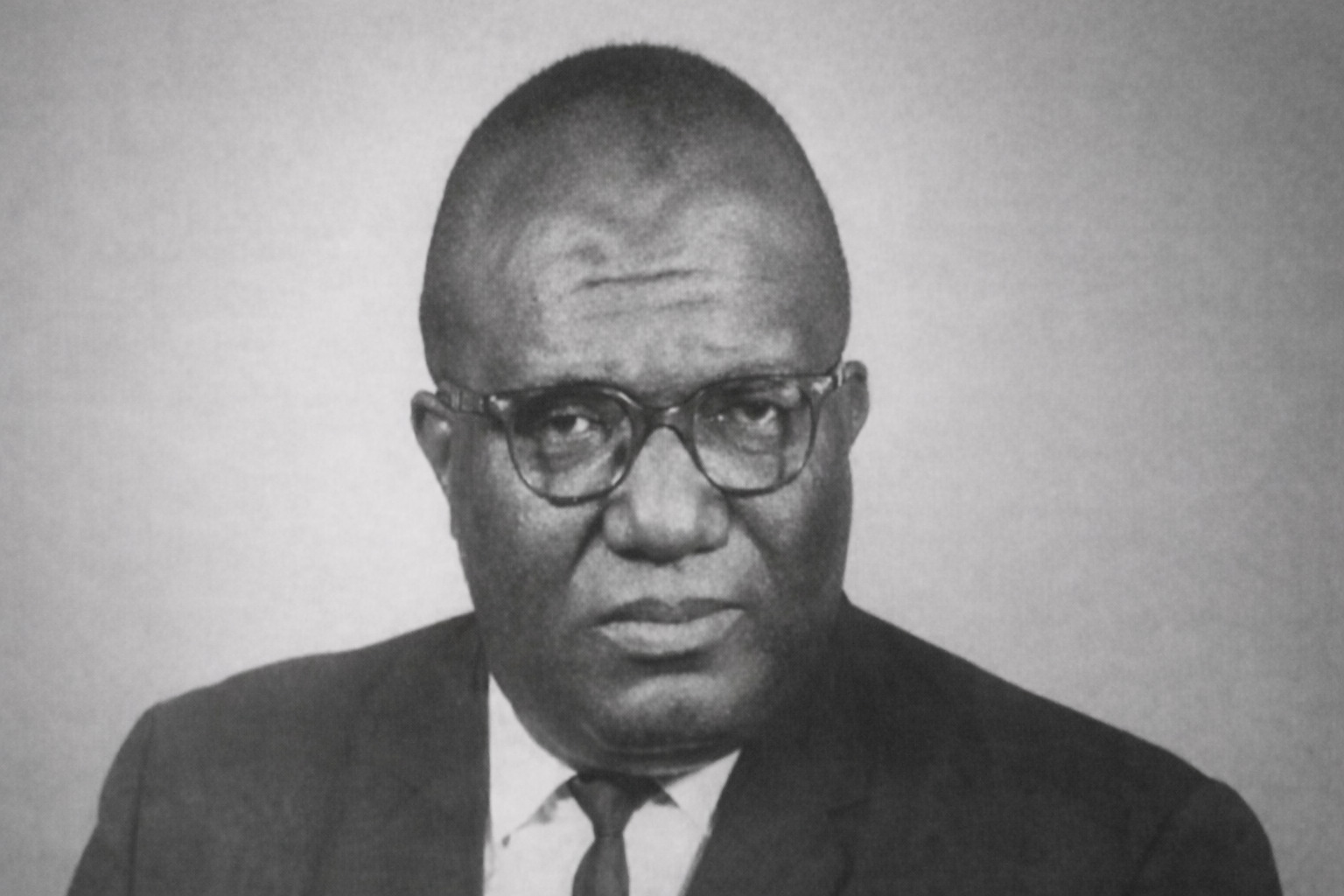
On February 12, 1962, Black residents of Macon, Georgia, launched a three-week bus boycott to challenge segregation and discriminatory hiring practices on city and county buses. The boycott was led by community organizer William P. Randall, widely known as “Daddy Bill.”
Randall, a leading figure in Macon’s Black community, served on the board of the NAACP and chaired the Negro Citizens Negotiating Committee. Earlier that month, he and other Black leaders sent a formal letter to Bibb Transit Company head Linton D. Baggs demanding an end to segregated seating and the hiring of Black bus drivers and mechanics. City officials and the company ignored the request.
In response, Randall called for a boycott. Speaking at a mass meeting, likely held at Pleasant Grove Baptist Church, he urged residents to stop riding the buses until they received equal treatment. Black Maconites organized carpools to ensure people could still get to work, church, and school.
The boycott followed earlier student protests. On February 25, 1961, 15 Black teenagers, including Randall’s son, Judge William Randall, sat in the front of a city bus and refused to move. All were arrested and jailed. Their actions inspired further resistance.
In February 1962, Macon ministers repeated the protest, and their arrests helped spark the broader boycott.
Despite intimidation, ticketing of carpool vehicles, and even gunfire near the Randall family home, the boycott held. After three weeks, Bibb Transit agreed to integrate seating and hire Black drivers.
The victory placed Macon firmly within the Southern freedom struggle. Randall later participated in the March on Washington and the Selma-to-Montgomery March before returning home to serve for decades in public office, carrying the boycott’s legacy forward.