


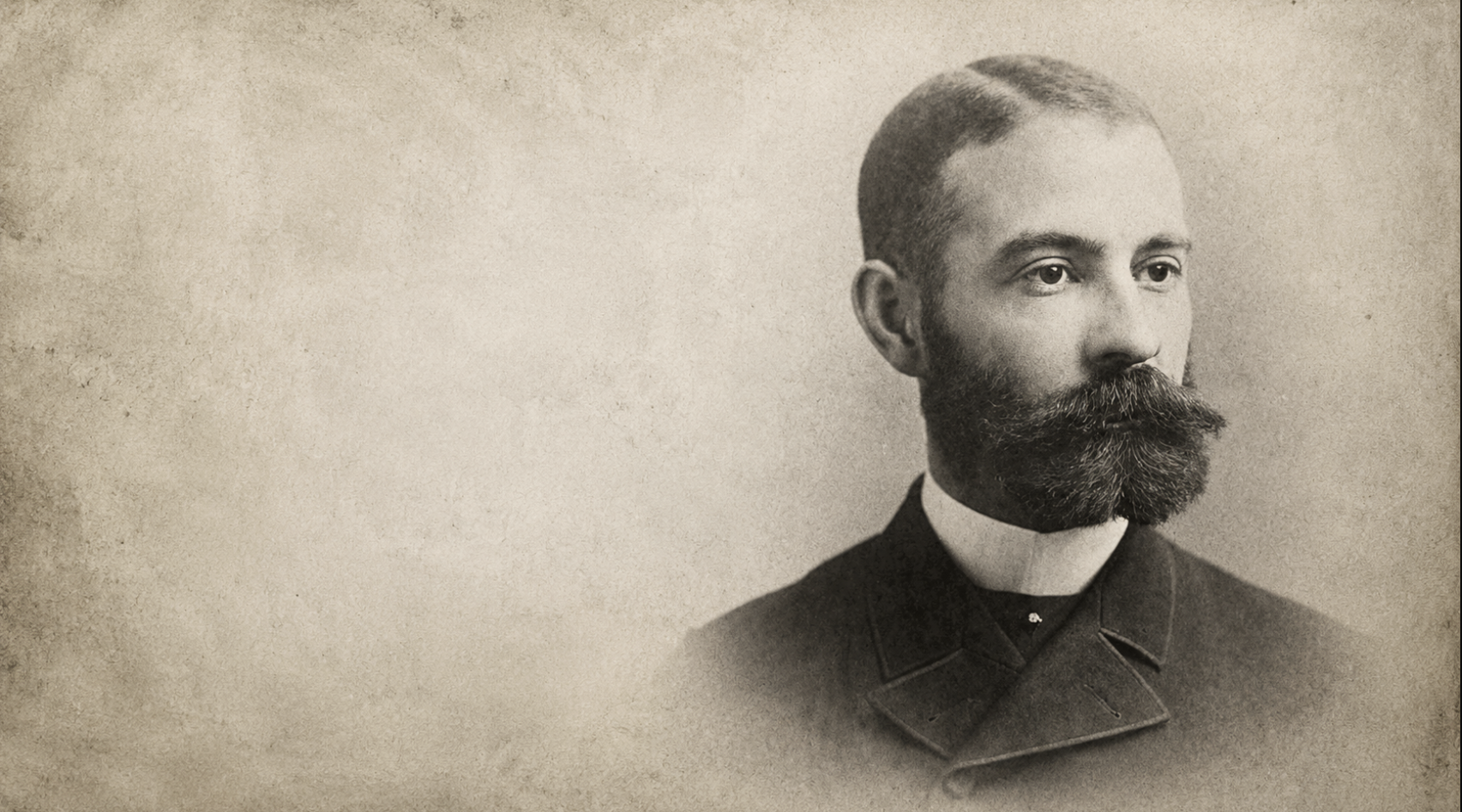
On July 9, 1893, Dr. Daniel Hale Williams performed a groundbreaking operation at Provident Hospital in Chicago, successfully treating a man who had been stabbed in the chest.
The patient, James Cornish, arrived at Provident Hospital with a knife wound near his heart. His condition worsened as internal bleeding continued, leaving Williams with few options. Without modern imaging, antibiotics, blood transfusions or advanced surgical equipment, Williams opened Cornish’s chest and repaired a severed artery and a tear in the pericardium, the protective sac surrounding the heart. The operation was especially remarkable because surgeons had few established methods for treating penetrating wounds near the heart.
Cornish survived the operation. After a second procedure to drain fluid, he was released from the hospital about 51 days later and lived for decades. The successful surgery challenged widely held beliefs about what doctors could safely treat inside the chest.
His reputation had already preceded him. On May 4, 1891, he founded Provident Hospital and Training School for Nurses in Chicago, created at a time when Black patients were often denied care and Black medical professionals faced discrimination at hospitals and nursing schools. Provident admitted patients and employed staff members regardless of race, making it one of the nation’s first interracial hospitals and nursing schools.
Born Jan. 18, 1856, in Hollidaysburg, Pennsylvania, Williams became interested in medicine while living in Wisconsin. He studied under physician Henry W. Palmer before enrolling at Chicago Medical College, now Northwestern University Feinberg School of Medicine. He earned his medical degree in 1883 and opened a private practice in Chicago.
Later in his career, Williams served as surgeon-in-chief at Freedmen’s Hospital in Washington, D.C., where he worked to enhance surgical care and hospital standards, and he also taught at Meharry Medical College and helped found the National Medical Association, an organization for Black physicians excluded from other professional groups.
In 1913, Williams became the only Black charter member of the American College of Surgeons and received honorary degrees from Howard and Wilberforce universities.
Williams died of a stroke Aug. 4, 1931, in Idlewild, Michigan. He was 75. His work expanded access to medical care, created opportunities for Black doctors and nurses and secured his place in the history of cardiac surgery.