


The Regal Theater is set to reopen as a center for Black arts and culture.
Led by the Robert O’Neal Multicultural Arts Center (ROMAC) and done in collaboration with The Port, the restoration of the theater is part of a $13 million initiative and is set to be completed sometime in 2028.
Construction already began mid-last week. Adjusting the roof, dome, exterior and awning will be the first phase of the project.
The initiative will not only save the existing 17,000 sq ft structure, but will also add an additional 20,000 sq ft. The additional space will house ROMAC and include offices for The Karalyst Group, a financial company. The space will also be open to other entrepreneurs.
The Regal Theater will also, of course, host art exhibits, art classes, community events, cultural festivals, and live music, according to CEO Toilynn O’Neal Turner. The arts center aims to promote cultural diversity within the city. Through the free, low-cost and advanced classes it plans to offer, ROMAC will also aim to facilitate the growth of the next generation of artists.
“The ROMAC’s mission is to celebrate, advance and preserve African and African American culture and achievement through the arts, history, and education, while also uplifting the rich diversity of artists and cultures in the region,” said ROMAC per its website. “The ROMAC will be the premier arts institution that returns arts access to the West End, provide an administrative home for Cincinnati creatives of color, and inject an economic boost to this historic neighborhood.”
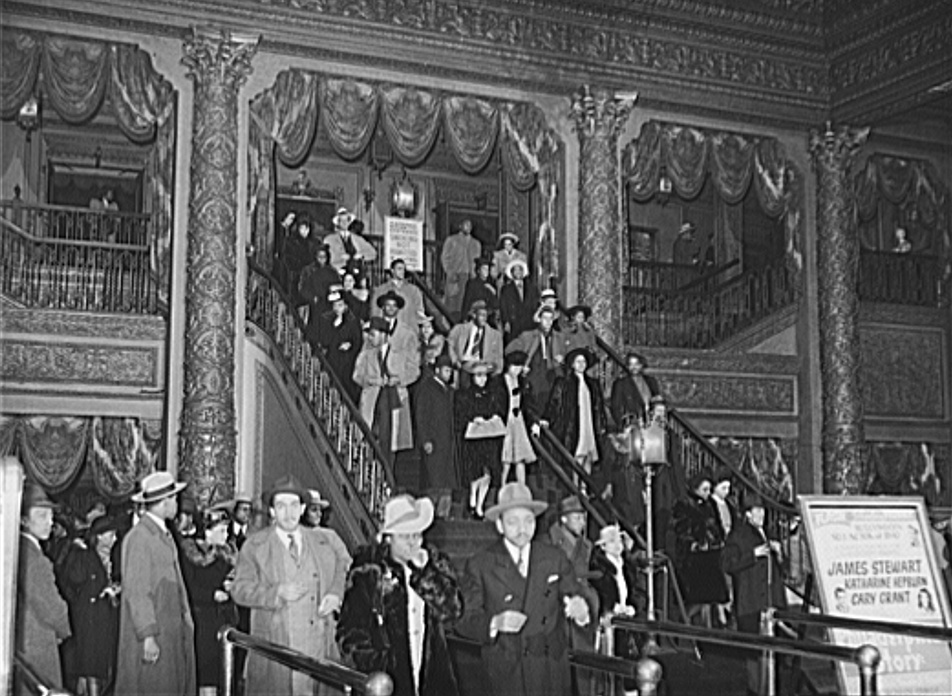
Built sometime around 1908, the Regal Theater was initially known as the Casino. Located in the West End neighborhood between Linn Street and Clark Street, the establishment initially opened as a space for live acts. Eventually, however, it switched to screening films.
Offering approximately 1,500 seats, the theater screened feature films, cartoons and was also open to hosting concerts by jazz musicians. Although the theater was a popular area for the neighborhood, it was affected by the construction of the I-75 in the 1950s and the HOPE VI redevelopment in the 1980s.
By 1996, the Regal Theater officially closed its doors.
The development of I-75 was part of gentrification efforts that uprooted the lives of 25,000 Black residents and destroyed 1,000 buildings. In 2018, the FCC also announced the development of a 26,000-seat stadium for soccer club FC Cincinnati in the West End. According to the Housing Solutions Lab, rental housing has been affected by the new stadium, as new property owners have purchased homes nearby.
The switch has reportedly affected renters, who have been forced to find new homes that accept Section 8 Housing vouchers. They estimate that thousands of residents have been impacted. Existing local establishments and businesses have also been impacted as a local church and businesses were forced to close down once developers bought land around the stadium.
The Regal Theater is now one of the few cultural landmarks that have survived West End gentrification.
Considered an endangered property, the Hamilton County Landbank purchased it in 2013 and restored it to a stable state.
By 2023, it was added to the National Register of Historic Places and recognized as a landmark.