



The Trump administration is pressing ahead with a controversial hepatitis B vaccine study in Guinea-Bissau, despite public claims by African health officials that the project was halted.
The study has not been canceled outright but is now on hold pending additional ethical and technical review, according to officials from Guinea-Bissau and Africa’s top public health body. The back-and-forth exposed the fact that U.S. health policy toward the Global South is increasingly being driven by vaccine skepticism from the very top.
The $1.6 million study, funded by the U.S. Centers for Disease Control and Prevention and overseen by the Department of Health and Human Services under Robert F. Kennedy Jr., would examine so-called non-specific effects of the hepatitis B vaccine on newborns. Study documents reveal that researchers plan to look at outcomes, including skin conditions and neurodevelopmental disorders such as autism, a discredited theory Kennedy has touted for years. Extensive research has found no link between vaccines and autism, a conclusion backed by decades of global data.
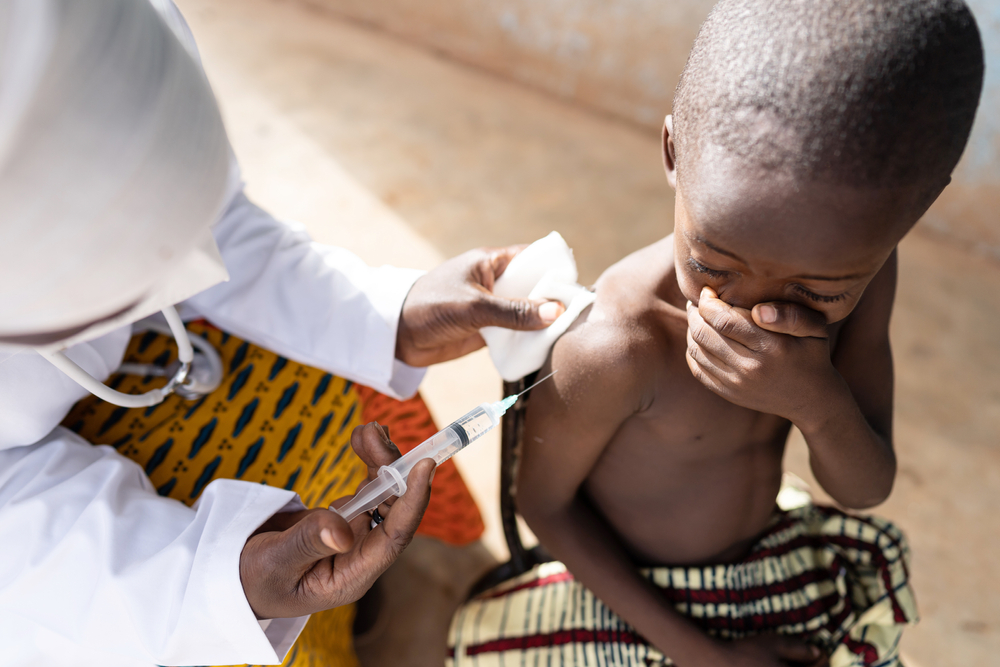
The study design has alarmed public health experts because some newborns would not receive the hepatitis B vaccine at birth, even though the vaccine is known to be safe and lifesaving. Guinea-Bissau has one of the highest hepatitis B prevalence rates in the world, with roughly one in five people infected. The virus is commonly transmitted from mother to child during birth and can lead to liver failure or cancer later in life.

Critics argue that withholding a proven vaccine in that context crosses an ethical line. However, Dr. Paul Offit, director of the Vaccine Education Center and an infectious disease physician at the Children’s Hospital of Philadelphia, said the delay does not address the root of the problem. He told Reuters that the study is unethical and cannot be redesigned to make it acceptable.
HHS, however, continued to deny any postponement.
The research is being conducted by the Bandim Health Project, which is affiliated with the University of Southern Denmark. Bandim researchers say the study is ethical because Guinea-Bissau does not currently administer the hepatitis B vaccine at birth. Instead, the first dose is typically given at six weeks, meaning all infants in the study would receive at least that dose. Bandim officials also claim the project could prevent hundreds of infections by expanding vaccine access for some participants.
Global health authorities, including the World Health Organization, recommend a hepatitis B shot at birth, especially in countries with high infection rates. In Guinea-Bissau, gaps in testing mean many mothers do not know they are infected, increasing the risk of transmission to newborns. Johns Hopkins University estimates that about 90% of babies exposed to hepatitis B at birth or in their first year develop chronic infection, with up to a quarter dying prematurely from liver disease or cancer.

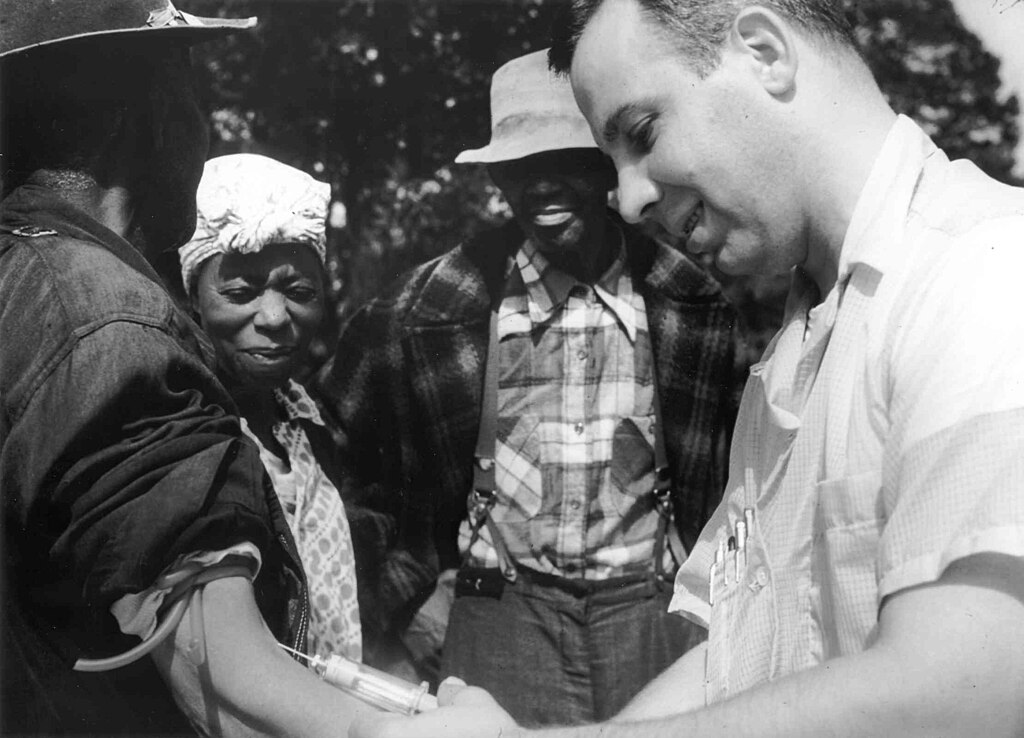
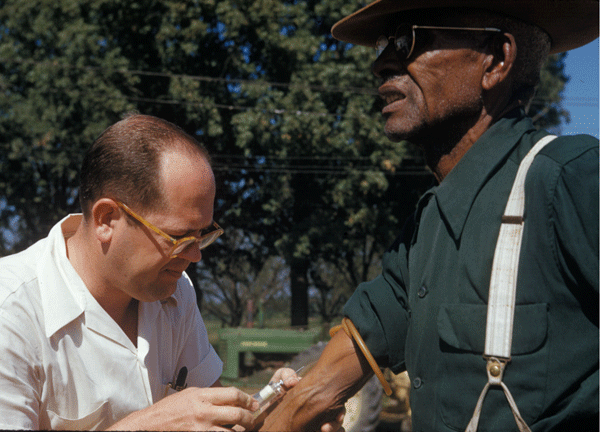
There have been comparisons to the infamous Tuskegee Syphilis Study, which ran from 1932 to 1972. Still, the Tuskegee experiment was not an isolated incident of U.S.-backed medical abuse. From 1946 to 1948, the Guatemala Syphilis Study involved U.S. researchers intentionally infecting prisoners, soldiers, sex workers and psychiatric patients with syphilis and gonorrhea without consent to test penicillin, leaving many untreated for years before the government issued a formal apology in 2010. In Philadelphia, the Holmesburg Prison experiments subjected incarcerated men, most of them Black, to chemical and pharmaceutical testing from the 1950s through the 1970s, including exposure to toxic substances such as dioxin under coercive conditions.
During the same period, the Willowbrook hepatitis study deliberately infected children with intellectual disabilities with hepatitis at a state-run institution, with parents pressured into consent after being told their children would otherwise be denied admission. Cold War-era Human radiation experiments exposed civilians, hospital patients, pregnant women and military personnel to radiation without informed consent, prompting a later federal finding that basic ethical standards had been violated. Meanwhile, the Indian Health Service sterilization program led to the forced or coerced sterilization of Indigenous women in the 1960s and 1970s, often without proper consent.

In December, the U.S. dropped its long-standing universal recommendation for newborn hepatitis B vaccination, leaving the decision to families and doctors. Major medical experts warned the move would expose more children to preventable harm. Kennedy has also cited Bandim’s research to justify cutting U.S. funding to Gavi, the global vaccine alliance.