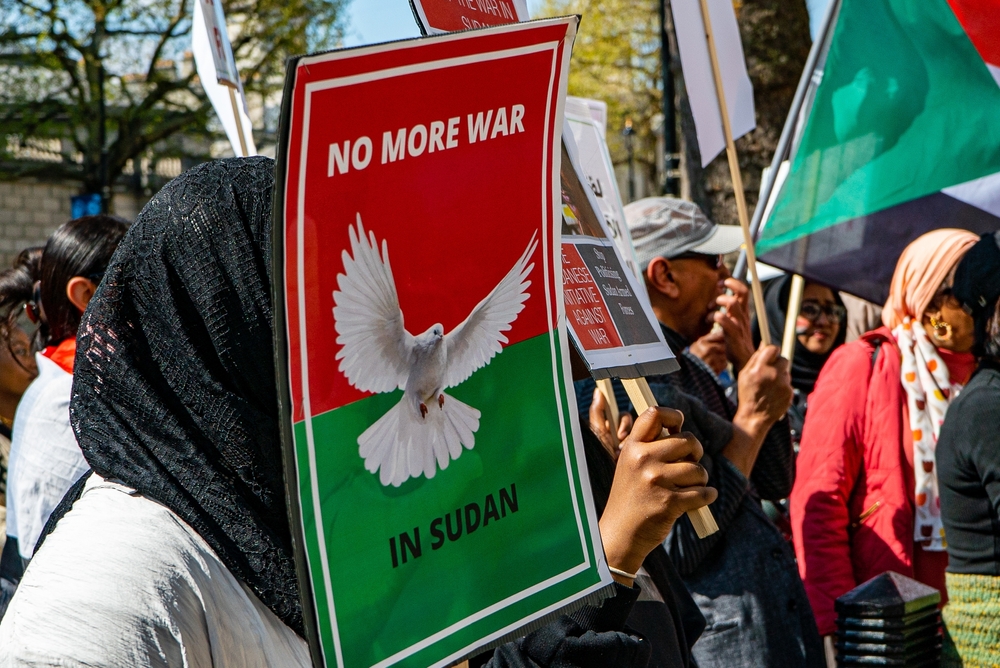





A coalition of nations recently urged warring sides in Sudan to end the conflict to prevent famine.
In a joint statement, the U.S. and 30 other countries, including Spain, the Netherlands, the U.K., Canada, Norway, and Switzerland, urged the warring factions to end the conflict to provide relief to citizens. They also emphasized that the parties are responsible for the issues the Sudanese people are forced to face.
Moving forward, the group urged the sides to remove any obstructions that would prevent aid to the citizens. These obstructions include prolonging visas and permits as well as removing any taxes that slow aid delivery.
The group also called for nations to increase funding for Sudan as their need for assistance grows.
“We further encourage development and financial institutions to adapt their ongoing programmes to the food security situation and focus on the areas of greatest need. Together we must act without delay to avert famine by supporting the winter cropping season and strengthening locally led responses,” said the coalition. “We stand with the people of Sudan and humanitarian organisations who are working tirelessly and under extremely challenging conditions to provide life-saving assistance.”
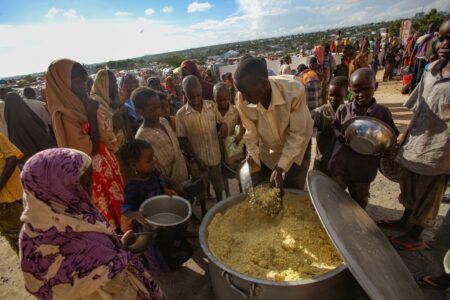
In Sudan, the United Nations estimates that more than 19.5 million Sudanese people, or two out of every five citizens, are faced with a form of food insecurity. Over five million people are dealing with dangerous levels of hunger while 135,000 people are already malnourished.
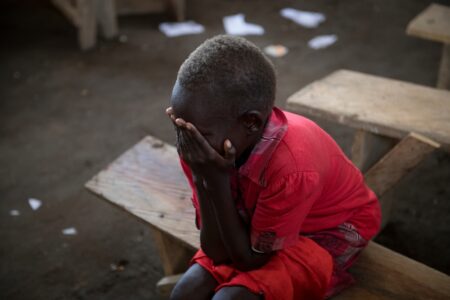
Children are amongst those most affected. Approximately 825,000 children under the age of five are projected to suffer from severe acute malnutrition. From January to March alone, nearly 100,000 children were administered treatment for malnutrition.

The situation is getting increasingly worse. Malnutrition among children alone is up 7% from 2025 and 25% from before 2023.
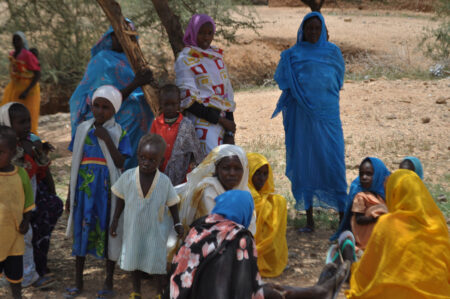
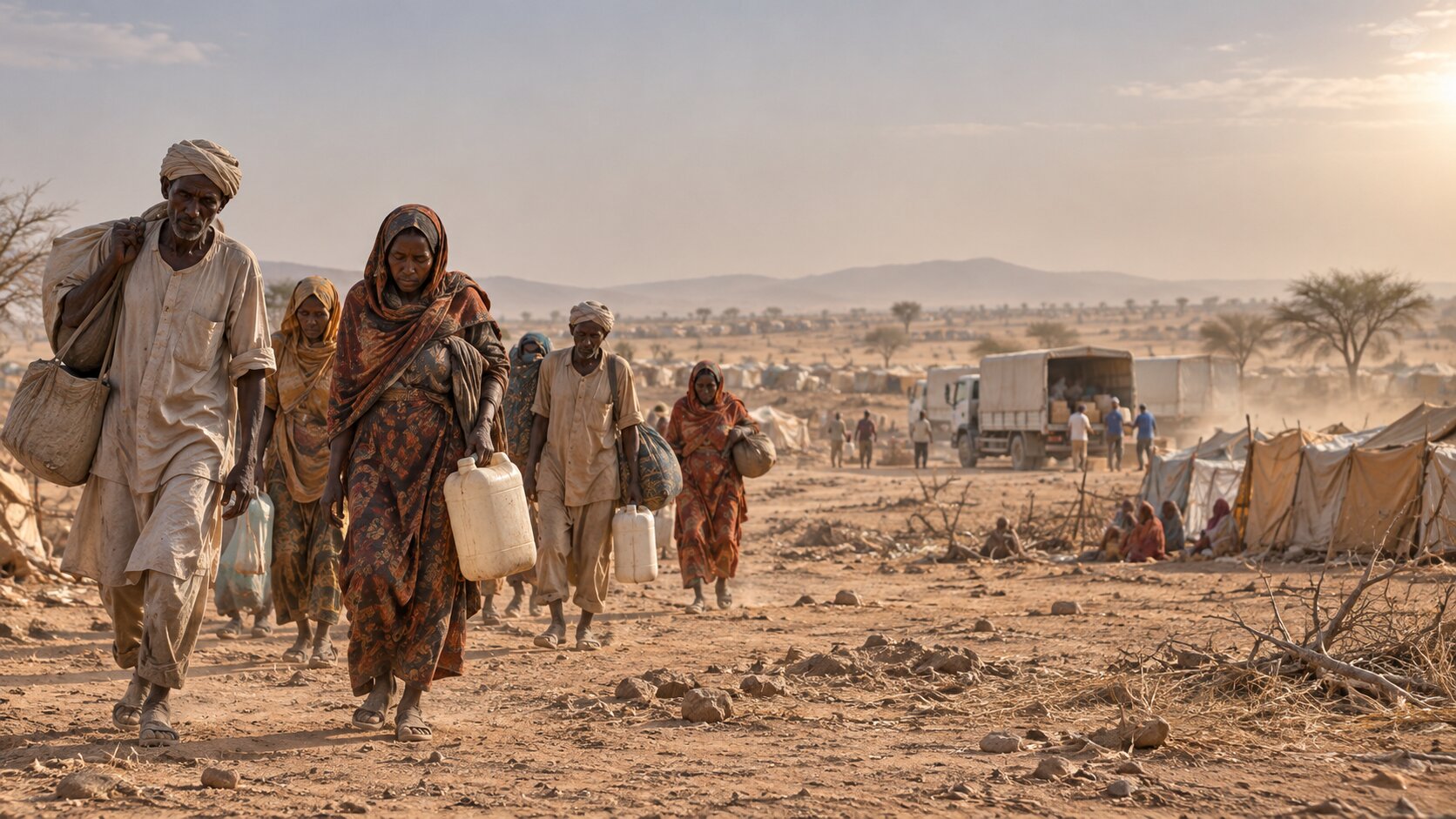
An estimated 14 million people, amounting to a quarter of the Sudanese population, are currently displaced from their homes. Approximately nine million residents have been forced to leave their homes to travel to other parts of the country.
Almost 4.5 million people have left Sudan for neighboring countries such as Egypt and Chad, as well as Southern Sudan. Along with famine and displacement, more than 500 citizens were victims of sexual violence in 2025 alone, and 11,300 people were killed. Malaria is also rampant. UNICEF reports that over 1.3 million malaria cases were reported in 2023. Over 850 people died after contracting the disease. Children are most at risk of contracting malaria.
The crisis in Sudan stems from infighting over political power. Since April 2023, two warring factions, the Sudanese Armed Forces and the Rapid Support Forces, have been fighting in Darfur. The civil war began after both of the group’s leaders previously joined forces to overthrow the previous autocratic ruler, Omar al-Bashir.
Hundreds of citizens have been killed, particularly due to drone strikes. There have been at least 9,000 recorded fatalities as a result of more than 3,000 air and drone strikes since the start of the war.
Other countries have previously pledged support for Sudan. Earlier this year, in April, donors promised nearly $1.5 billion in humanitarian aid for Sudan. The aid is meant to help more than 33 million people who urgently require assistance.
For three years in a row now, the International Rescue Committee has placed Sudan at the top of the country’s that are most at risk.
“For three years, we have warned that Sudan was on the brink of catastrophe, and those warnings have gone unanswered,” said IRC Country Director Richard Data. “Without urgent action to scale up funding and ensure aid can reach those in need and without real political pressure to end the violence and the relentless attacks on civilians, this crisis will continue to spiral further out of control, with consequences that continue to be felt far beyond Sudan.”