





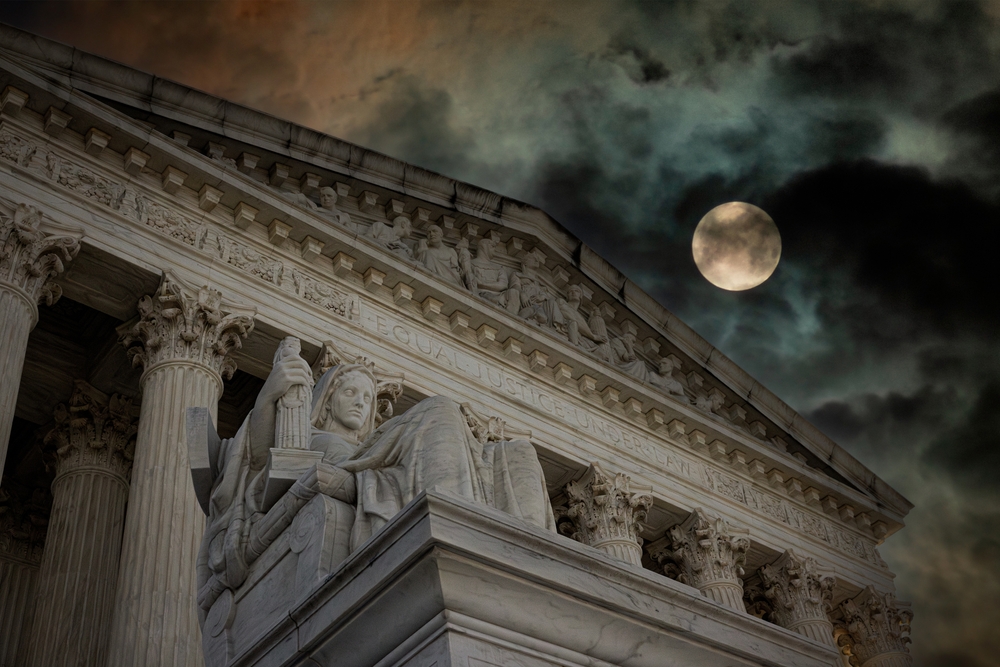
A lot of people are going to say that SCOTUS protected abortion access today, but that’s not actually what happened.
What the Court did (or more precisely, what it has been doing since May 4) is kick the can down the road while a legal challenge moves forward. That’s important because it keeps access to mifepristone via mail and telehealth legal. But it is not the same thing as protecting it, and treating it as such is how we lose track of how serious this moment actually is. Let’s dive in.
The whole fight began when the Fifth Circuit ordered the FDA to reinstate in-person dispensing requirements for mifepristone nationwide. You can catch up on what happened here:
What followed was a two-week emergency scramble that *sort of* ended today when SCOTUS ruled to allow mail order and telemedicine of medication abortion during the appeal process. Once the case works its way further through the courts, it could end up right back at SCOTUS’ doorstep.
What the Court Was Actually Deciding
The immediate question before SCOTUS was narrow. Should the Fifth Circuit’s order to ban all mail order and telemedicine medication abortion be paused while the appeal proceeds? That is a stay pending appeal, which is different from the temporary pause Justice Alito has already issued last week.
To get that kind of stay, the Court looks at: 1) whether the drug companies (who appealed the case) are likely to win, and 2) whether they would be seriously harmed if the lower court’s order stays in place. On both counts, the case for pausing the ruling was strong. It was strong because Mifepristone has been FDA-approved since 2000, it has been used safely for decades, and the 2023 rule change to allow telehealth prescribing of mifepristone reflected the FDA’s review of the evidence. The Court already rejected a very similar challenge last year when it ruled that anti-abortion doctors lacked standing to sue.
There is also a political factor here (no surprise). Trump’s FDA asked for the case to be paused while it carries out its own “safety review” of mifepristone. That review was sparked by a conservative think tank report that claimed more complications than FDA data showed, but the report was not peer-reviewed and was not published in a medical journal. It was bullshit, but it gave the administration a way to inject more uncertainty into a drug that has already been studied for years. My thing is: how do you just declare that a medication is “unsafe” when decades of research and literal patient anecdotes say otherwise?
Continue reading over at the Women in America Substack.
Become a paid subscriber today. Because reproductive freedom can’t wait, and neither can we.