






The Genius of Black People
Created by Rev. Dr. Otis Moss III, TheHub.news presents its Black History Month series celebrating the genius of Black people—stories of courage, faith and creativity forged in struggle. Inspired by ancestors like Walter Francis White, this series honors sacred memory and lifts up the divine brilliance shaping justice and resilience today.
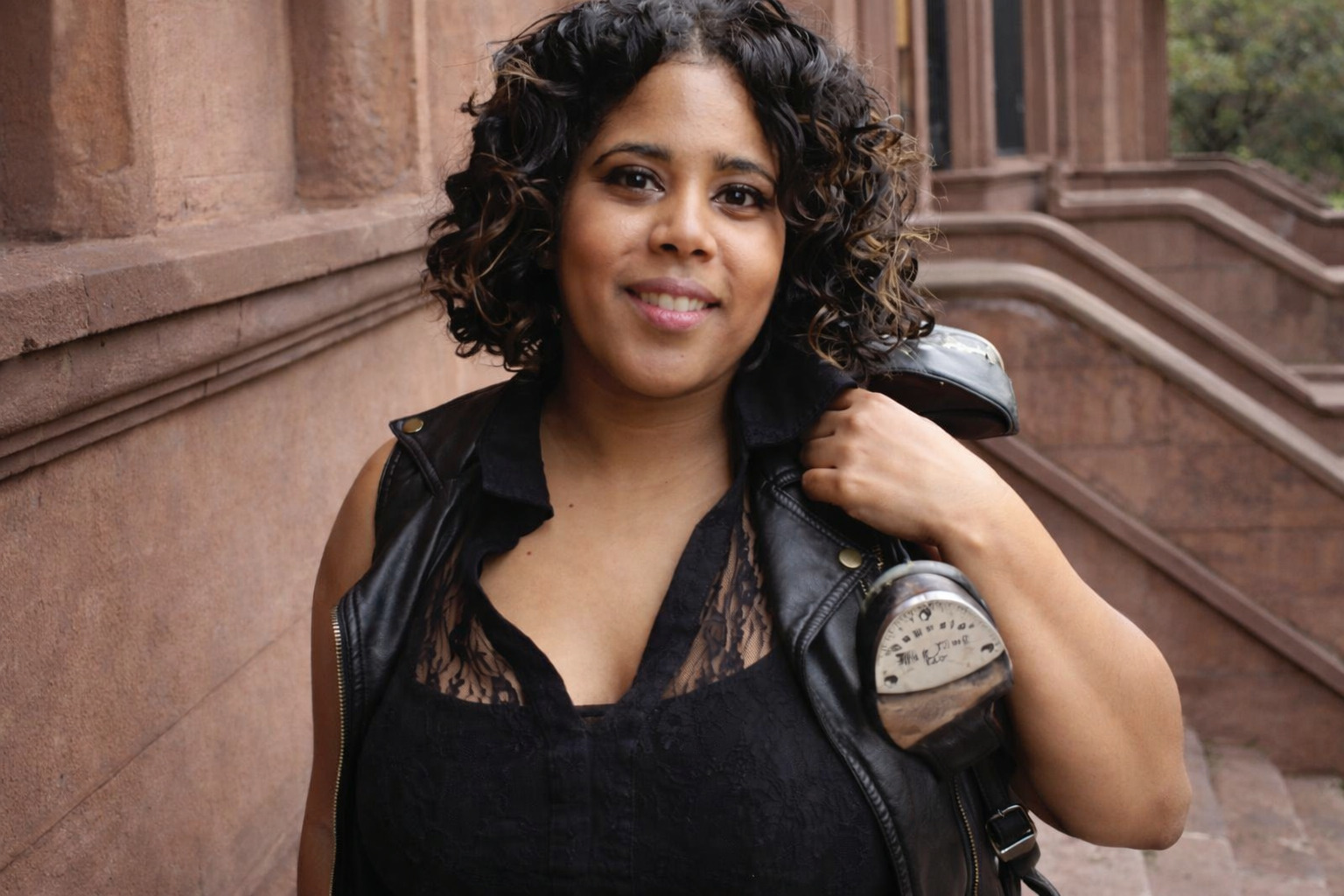
Rashida Bumbray is a New York City–based choreographer, curator, and cultural strategist whose work repositions Black vernacular traditions at the center of contemporary performance. Best known for her evolving series of Ring Shout–inspired works, she treats the stage as a site of ritual, memory, and community-building rather than a neutral platform for spectacle.
In Bumbray’s choreography, the ring shout—a spiritual practice that emerged among enslaved Africans in the American South—becomes both subject and method. Dancers move counterclockwise in a circle, feet pounding rhythmically, hands clapping, voices rising in call-and-response. These traditional elements are layered with contemporary soundscapes, experimental staging, and collaborations with musicians and visual artists, underscoring her belief that dance functions as a living archive of Black experience. Her pieces often feel like ceremonies, inviting audiences into an atmosphere of collective remembrance that blurs the line between performer and witness.
Bumbray’s performances have been presented at major institutions including the Walker Art Center, Danspace Project, the Whitney Museum of American Art, the Kitchen, and Abrons Arts Center. Across these spaces, she carries a consistent set of concerns: how to honor Black spiritual and social traditions without freezing them in nostalgia, and how to transform historical forms like the ring shout into vehicles for contemporary reflection on grief, joy, resistance, and liberation.
Her impact extends beyond the studio and stage. As a curator and cultural strategist, Bumbray has held influential roles at organizations such as the Kitchen and the Open Society Foundations, where she has developed programs that foreground artists of color, community-rooted practices, and transnational dialogue. In this work, as in her choreography, she insists that Black cultural forms are not peripheral or supplemental, but foundational to any serious understanding of American art and politics.
Bumbray’s contributions have been recognized with honors including a United States Artists Fellowship in Dance and a Bessie Award nomination, affirming her dual influence as both maker and movement-builder. Yet she consistently returns to the body as her primary site of inquiry: a place where history is carried, where spirituality and politics meet, and where the possibility of collective freedom can be rehearsed.
Through her Ring Shout performances and her curatorial leadership, Rashida Bumbray offers a model of practice in which tradition is neither preserved in amber nor discarded, but continually reactivated—alive, insurgent and shared.