




We all know what it means to fight for survival.
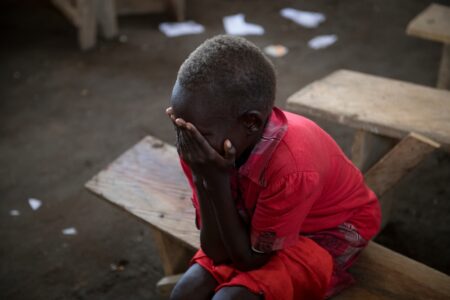
But right now, Sudan is fighting a war on two fronts: bullets and starvation.
For a long time, the country’s collective memory has carried the heavy stories of past famine-induced tragedies.
Today, however, a devastating war is pushing the country into a whole new catastrophic food crisis. And those old ghosts are coming back to life.
Historians and humanitarian activists are warning us that we are watching history repeat its darkest chapters in real time.
But the real question is, what are we going to do about it?
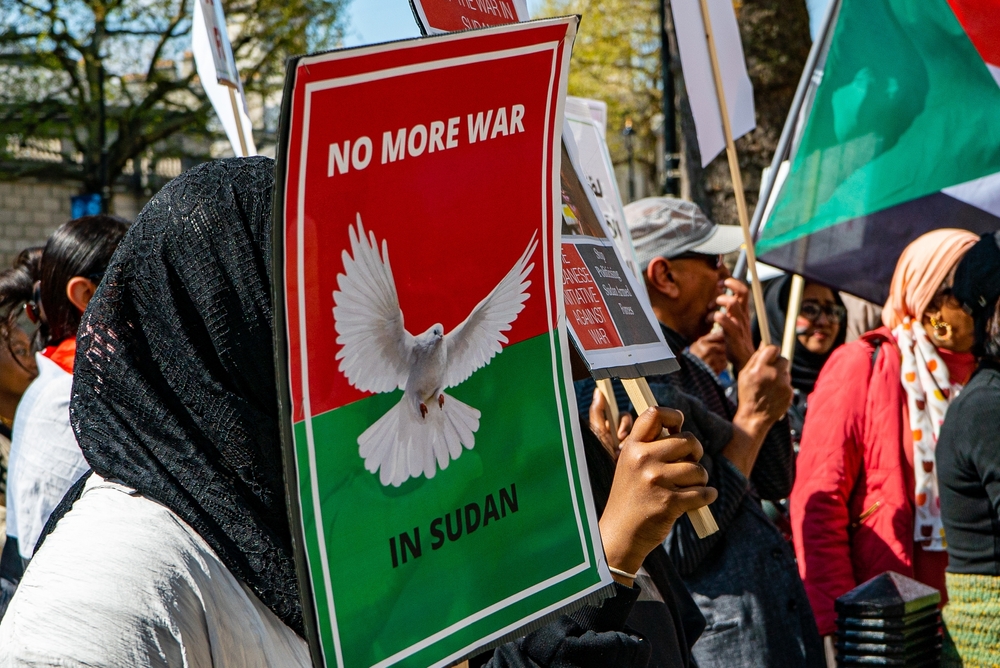
The ongoing conflict between the Sudanese army and the paramilitary Rapid Support Forces, which ignited in April 2023, has spiraled into one of the most devastating food crises in Sudan’s recent history.
And by 2024, conditions have deteriorated alarmingly, with the specter of famine haunting many communities across the nation. While Sudan has struggled with severe famines before — often driven by environmental factors like drought — the current hunger crisis is starkly different; it’s a grim byproduct of human conflict.
As reported by Al Jazeera Africa, the relentless fighting has disrupted farming, destroyed livelihoods and obstructed aid deliveries, leaving millions in dire need of food and basic necessities. As reports of widespread malnutrition and starvation continue to surface, the international community is left dealing with the grim reality that this crisis is not just a natural disaster but a man-made one.
Running on Fumes
The publication traced the country’s longstanding vulnerabilities back for centuries, with one notable instance occurring in 1684 during the Funj Sultanate in what is now Sudan.
It unfolded over several years, triggering severe grain shortages across central Sudan and pushing people to desperate measures — some even resorting to eating dog meat to survive. The widespread hunger forced many to abandon their homes and tragically, it also coincided with a deadly smallpox outbreak that exacerbated the suffering.
Fast forward to later centuries, similar crises continued to plague the region, particularly during the Ottoman-Egyptian rule from 1750 and again between 1835 and 1838. These catastrophes were fueled by harsh climatic conditions, including severe droughts and dangerously low water levels in the River Nile, which further strained food supplies and deepened the cycle of hunger and displacement.
Still, the most notable famine in Sudan’s history happened between 1888 and 1889, when Khalifa Abdullahi al-Taashi was in power. During this time, drought, locust swarms and conflict led to severe hunger and many deaths. Historians estimate that over one million people may have died, but exact numbers from that time are hard to verify. The situation was so dire that some families chose to stay inside their homes and die rather than go out and beg for food.

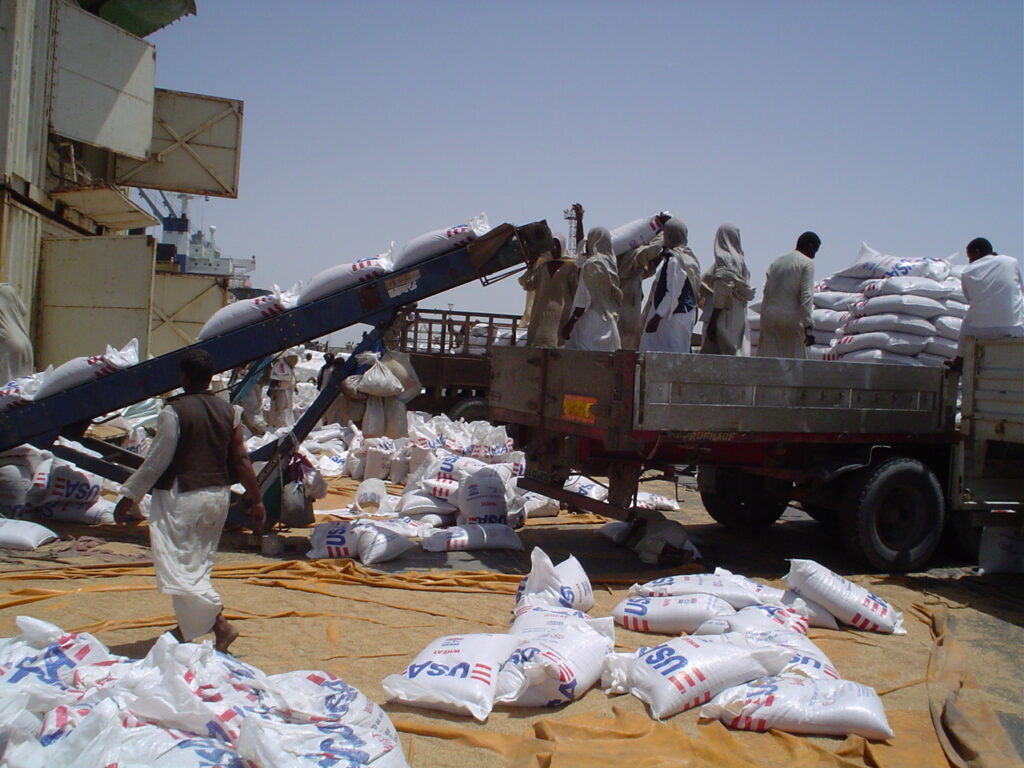
Image credit: Wikimedia Commons
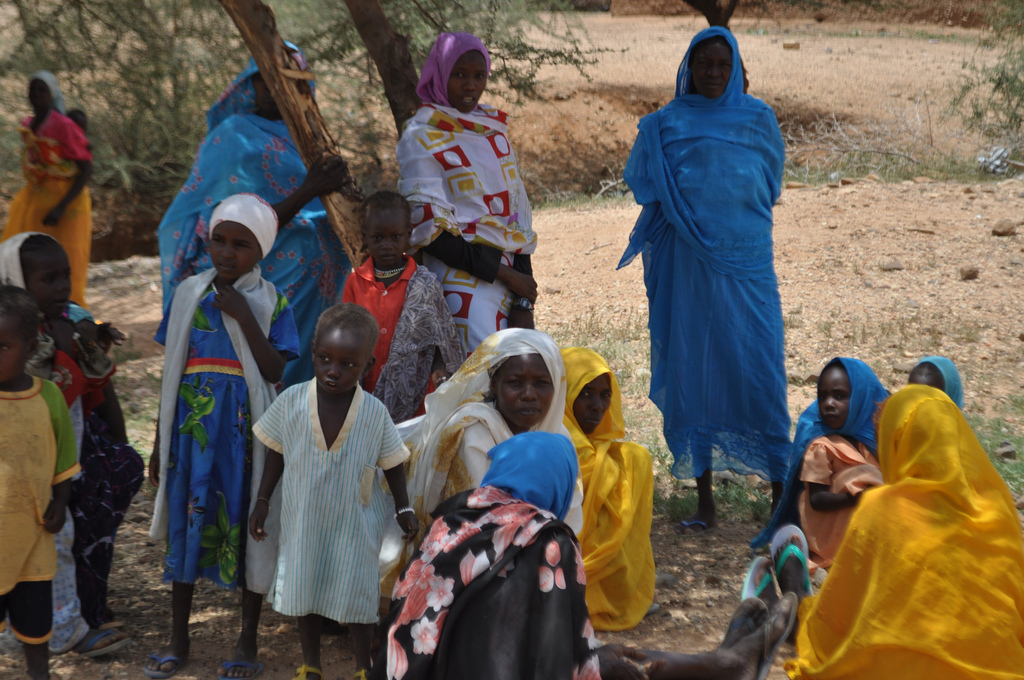
Taken in 2000
Sudan would continue to face more food shortages throughout the 20th century. Droughts and poor harvests in the early part of that time sometimes forced the government to import grain from other countries. In 1984, while President Jaafar Nimeiri was at the helm, western Sudan faced a horrific drought that hit regions like Darfur and Kordofan hard. The severe weather wreaked havoc on agriculture, causing devastating losses in crops and livestock. As a result, hundreds of thousands were forced to abandon their rural homes in search of a better life, many of them flocking to the capital city, Khartoum.
Today’s Man-made Calamity
Unlike many past crises, the current famine is clearly driven by humans, particularly the devastating impacts of war. Ongoing conflict has not only disrupted farming and trade but also forced countless farmers off their land, creating a ripple effect that hampers the movement of food and aid throughout the country. Abdullah al-Tijani, a social historian and humanitarian worker, emphasizes that this disaster is unprecedented in scale.
“Most previous famines were often confined to specific regions, as happened in 1984, or areas in southern Sudan before its secession in [2011], while the capital and major cities continued to have the necessities of life and services,” al-Tijani told Al Jazeera.
“A comprehensive food crisis has struck the heart of major urban and agricultural centres in the states of Khartoum, Gezira, Sennar, Darfur, and Kordofan, causing millions of citizens to be displaced inside and outside the country.”

Missed Farming Opportunities
The publication also stresses that the country’s agricultural potential is critical. With around 200 million acres of arable land, abundant water from the Nile River and a wealth of livestock, Sudan should be a powerhouse in global food production. Yet despite these resources, it has struggled to realize its potential as a major food supplier, largely because of ongoing conflict and instability.
Economic researcher Mohammed Abdul Rahman says that the current food security crisis starkly illustrates the developmental gaps that have plagued Sudan’s agricultural sector for years. And these issues, exacerbated by conflict, have hindered efforts to cultivate the land effectively and sustainably.
“Wars and armed conflicts are among the most influential factors on food production,” Abdul Rahman said, “along with the displacement of farmers from their lands, the absence of political stability and agricultural policies, weak funding and government guarantees, and reliance on traditional farming methods.”
How We Can Help
It is easy to scroll past headlines about distant crises and convince ourselves that the problem is too massive to touch. But behind every statistic is a family sitting down to an empty table, waiting for the rest of the world to notice.
We do not need to fix the entire system by ourselves; we just need to do what we can today. Whether that means tossing five dollars toward mutual aid, calling our representatives or simply refusing to let Sudan fall out of the conversation, our attention matters.
Hope is not a passive feeling here. It is a choice we make through action. Let’s make that choice together.
You can reach out to and support several major international and local organizations currently delivering life-saving food and nutrition assistance to people affected by the crisis in Sudan:
World Food Programme (WFP): The United Nations’ frontline agency fighting hunger, reaching millions of people monthly in Sudan with emergency food rations, cash support and specialized nutrition products for children and mothers. You can also donate bite-sized portions of support through their app via ShareTheMeal.
OCHA (Sudan Humanitarian Fund): Coordinates emergency relief efforts and pools donations directly into the Sudan Humanitarian Fund, which works closely with networks of local NGOs on the ground.
Action Against Hunger: Operates mobile health clinics, specialized nutrition programs, and direct food assistance in impacted regions.
International Rescue Committee (IRC): Delivers critical health, nutrition, and multi-purpose cash assistance inside Sudan and supports displaced families and refugees in neighboring countries.
Catholic Relief Services (CRS): Works alongside local community networks and church partners across multiple localities to distribute food, health care, and hygiene support.
CARE: Provides emergency food parcels, water, sanitation, and livelihood support directly to displaced populations and vulnerable host communities.
Grassroots and Specialized Groups
Sudan American Physicians Association (SAPA): Runs a targeted Sudan Hunger Relief Program, operating community kitchens and providing daily meals to displaced families in regions like North Darfur.
Emergency Response Rooms (ERRs): Local volunteer networks operating block by block inside Sudan to run community kitchens and distribute aid.
Organizations like Chef José Andrés’s Longer Tables Fund have directly backed these grassroots groups to speed up local response times.