





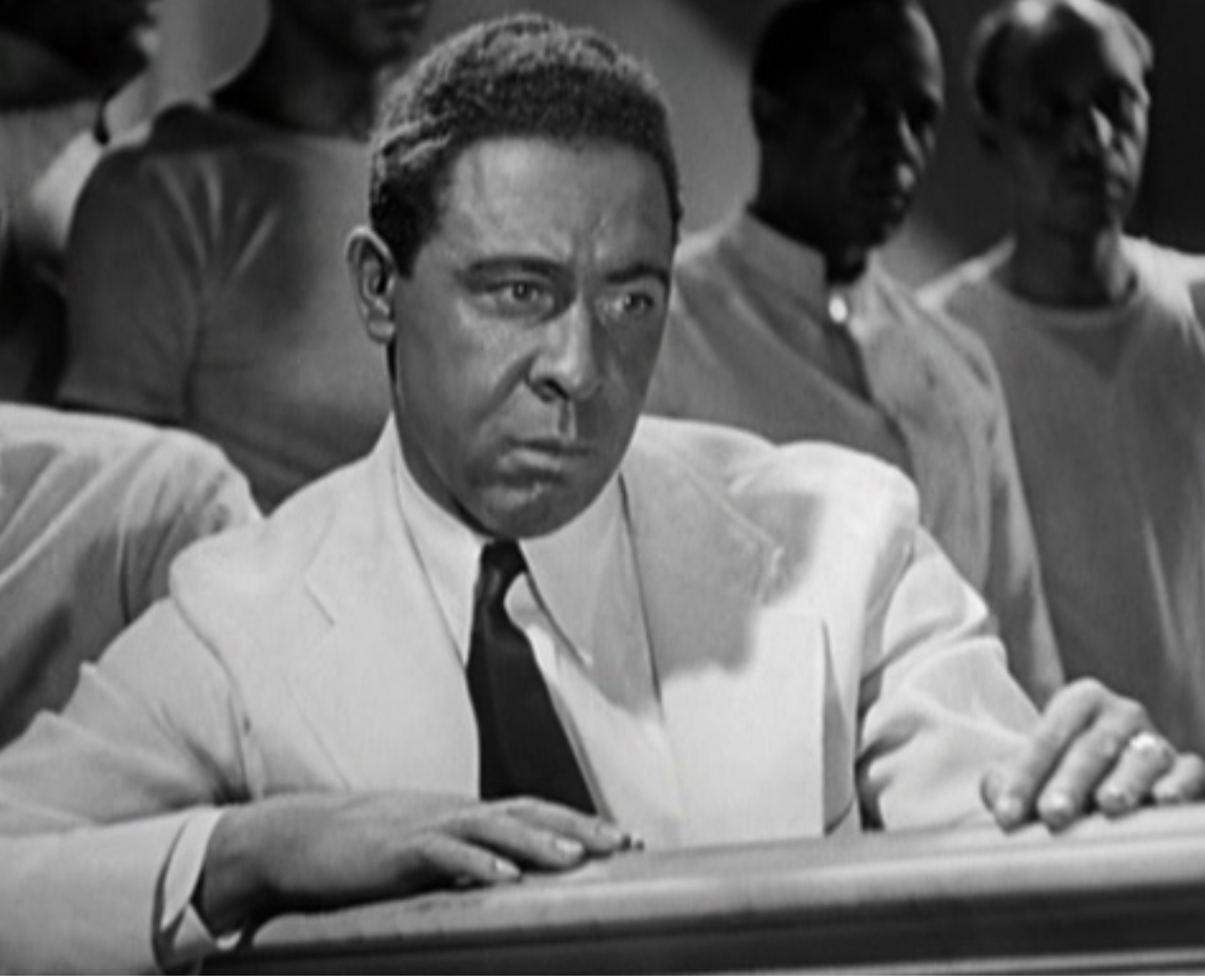
On this day in 1919, Lincoln Motion Picture released the first feature-length production featuring an all-Black cast.
Released in 1919, it was directed by Harry A. Gant and was led by Clarence A. Brooks. The plot follows two men vying for a woman’s attention. Although now considered lost media, the movie, titled “A Man’s Duty,” marked a pivotal moment in Black cinema.
As the first full-length feature film with an all-Black cast, the movie was also one of the first six productions from the Lincoln Motion Picture Company.
Founded in May 1916, the Lincoln Motion Picture Company was created to showcase stories from Black filmmakers. Actor Noble Johnson and his brother George Johnson initially conceived the company, creating a movie company led and controlled by Black filmmakers. Johnson was considered the company’s president, while Clarence A. Brooks was the secretary.
Dudley A. Brooks meanwhile was the assistant secretary, while Dr. James T. Smith was the treasurer.
The Lincoln Motion Picture Company aimed to provide an accurate portrayal of Black Americans in cinema. It was founded a year after “The Birth of a Nation,” a picture released by D.W. Griffith that is widely considered to be the film that cemented racist stereotypes in mainstream American media and society.
Upon its release, the NAACP moved to ban the movie, while cities such as New York and Chicago rallied leaders to stop screenings. In Chicago, they succeeded in banning it, while in states such as Iowa and Ohio, resolutions both denounced and banned its showing. Audiences called it “hideously insidious.” Through this racist film began a century-long fight for Black filmmakers to be authentically and equally represented in the film industry.
With Lincoln Motion Picture Company, Black filmmakers created a space to make movies that denounced the racist stereotypes depicted onscreen at the time.
Within one year, they made three movies, including “The Law of Nature” and “The Trooper of Troop K,” for theatrical release. Because of discrimination, however, only a few theaters showed the films. Only 300 theaters existed that were operated by Black people; therefore, they showed films created by Black filmmakers. In comparison, approximately 20,000 theaters were operated by white people, denying Black filmmakers the chance to have their films viewed.
@black_american_heritage "The Trooper of Troop K" Staring Noble Johnson (left) Beulah Hall (right) #fyp #history #cinema #historytok #oldmovies #1900s #20thcentury #rare ♬ Resonance – Home
Their work was widely praised, garnering support from newspapers such as the Chicago Defender.
“There is only one company worthy, that is the Lincoln Motion Picture Co., Inc., of Los Angeles, Cal,” wrote the newspaper. “It is distinctly a Racial proposition, owned, operated and financed by our people only—not a white person even being allowed to own one share of stock.”
Although their movies were praised, Lincoln Motion Picture Company lasted only five years. By 1920, Johnson left the company to pursue his acting career in Hollywood. Initially a way to provide extra funding for the production company, Universal Studios asked him to sign a contract that would effectively bar him from working with Lincoln Motion Picture Company, now considered a rival.
In 1918, Noble decided to sign the contract due to the lack of a steady income from Lincoln Motion Picture Company. He went on to star in a number of silent and sound films such as “The Ten Commandments,” “Dante’s Inferno” and “Moby Dick.”
After a brief relocation to Los Angeles, Lincoln Motion Picture Company was officially considered defunct in 1921. Low sales and production costs meant they couldn’t make a profit on any movie.
Approximately 105 years since it shut down, earlier this year, filmmaker Brennan DuBose announced plans to revive the Lincoln Motion Picture Company. A Howard University graduate, DuBose chose to bring back the production company while researching successful production companies.
With his revitalized Lincoln Motion Picture Company, DuBose wants to tell “positive stories about Black experiences” as well as “relatable human stories.”
“Black history is American history. We always knew that Black cinema was valuable and important to us,” DuBose said per The Grio. “As much as we must look back and understand where we have come from, it’s important to continuously look forward as well. Making sure that we’re creating the balance of both looking back, but then also taking an inventory of what’s changed, what’s really changed.”