




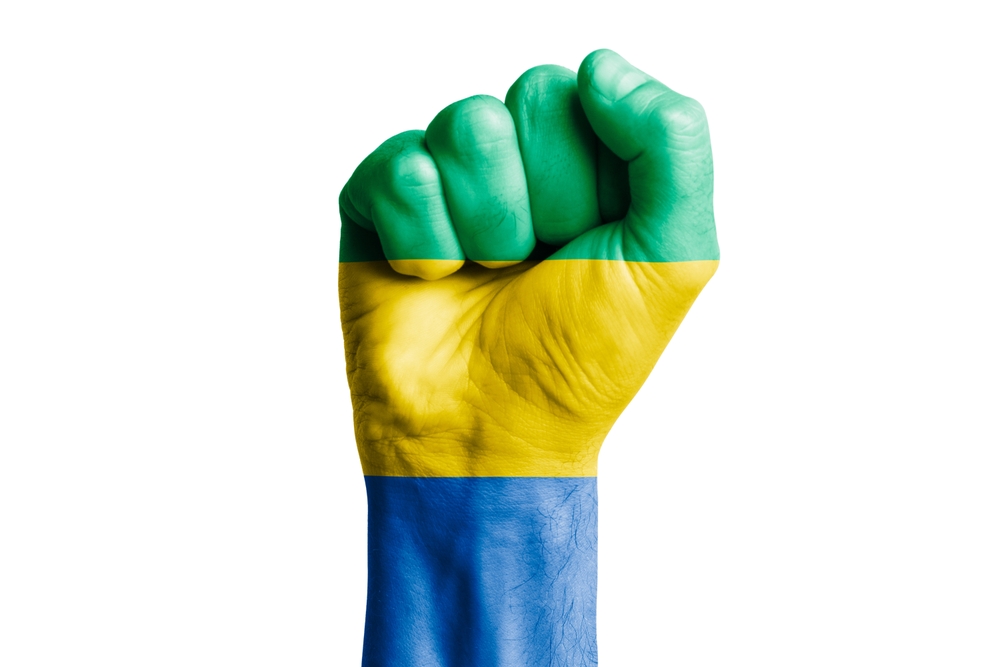
On this day in 1960, Gabon gained independence from France.
Prior to French rule, around 5,000 B.C., Gabon was inhabited by the Bambenga, who were primarily hunter-gatherers. By the 13th century, members of the Bantu tribes began to migrate to the area, forming one of the first established communities in the country. A majority of Gabon’s citizens are descended from the Bantu as they grew dominant and eventually displaced the Bambenga.
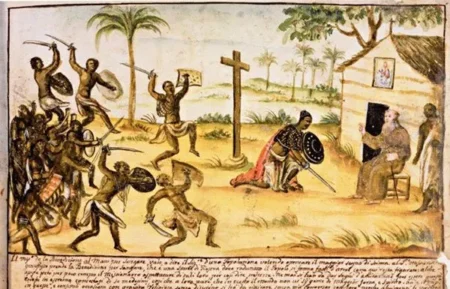
By 1472, the first of the Portuguese navigators landed on the shores of Gabon, forming the country’s first province. They established a trade route between the country and Europe, developing multiple sugar plantations. In the next century, they began to engage with the French, Spanish, Dutch and English, trading other products such as firearms, alcohol, cloth and iron materials, as well as ivory.
The Portuguese merchants also took part in the trans-Atlantic slave trade, forcing enslaved people to grow and cultivate the products they were building their economy on in Gabon. For over a century, they were the country that controlled the trans-Atlantic slave trade. Over the course of three centuries, approximately 10 million to 12 million Africans were kidnapped from their homes and forced into labor.
By the 1870s, however, after the trans-Atlantic slave trade was abolished, the Portuguese kingdom began to collapse, allowing the French to gain control.
The French first established their presence through a treaty between two Mpongwe groups led by King Denis (Antchouwe Kowe Rapontchombo) and King Louis (Anguile Dowe). Through the treaty, they agreed to end their participation in the slave trade if the groups accepted French rule over their land. By the 1840s, France began establishing new territories, including Fort d’Aumale, and enforced Roman Catholicism and French culture among the Mpongwe.
Through expeditions led by explorer Pierre Savorgnan de Brazza, they were also able to gain control of the upper area of the country. Eventually, as their territory in Gabon continued to grow, the French added it to French Congo in 1886. Brazzaville became the capital.
By 1910, Gabon was one of the four colonies under French Equatorial Africa. Under French rule, Gabon citizens were subjected to high taxes, forced labor and monopolistic companies that disrupted both agriculture and trade.
By the late 1940s, the anticolonialist attitude that had been adopted by politicians in office during the Fourth French Republic led to increased investment in health care, education and the economy. By 1958, Gabon eventually gained its right to become an autonomous republic under the French.
Two years later, on Aug. 17, 1960, it gained full independence from France.
By 1964, politician Leon M’ba became Gabon’s first president.