



Each April, the Academy of American Poets marks the celebration of National Poetry Month.
Established in 1996, the month was inspired by Black History Month and Women’s History Month. The purpose is to honor both modern-day and past poets who have impacted the literary genre.
For this National Poetry Month, here are five Black women whose work in poetry has inspired countless writers.
Lucille Clifton
Considered to be one of the most prolific poets of her generation, Clifton’s poetry career began after she was discovered by fellow writer Langston Hughes. Shared with him by a mutual friend, her work was first published in his anthology. She became notable for her succinct poems as she covered countless subjects, including life as a Black American and family life. In 1969, she published her first volume of poetry, “Good Times,” which was met with critical acclaim. In her next volume of work, “Good News About the Earth: New Poems,” Clifton focused on chronicling the political upheaval of the period, dedicating poems to Black political figures. For her work, in 1988, she was nominated for two Pulitzer Prizes, becoming the first author to have two separate works in the running as finalists for the award. Other honors bestowed upon Clinton for her writing include the Robert Frost Medal, the Shelley Memorial Award, the National Book Award for Poetry and the Coretta Scott King Award.
Patricia Smith
In 1991, Smith debuted with her first collection of poetry, “Life According to Motown.” While her debut chronicled her upbringing in the 1960s in Chicago, her next work, “Close to Death,” discussed the lives of Black men in relation to homicide rates, drug abuse and the AIDs epidemic. Throughout her career, Smith highlighted Black history in America and lives through sonnets, sestinas and prose. For her work, Smith received the Hurtson/Wright Legacy Award, the Carl Sandburg Literary Award, the Robert L. Fish Memorial Award and the Lenore Marshall Prize.

Stacyeann Chin
Known for works such as “Crossfire: A Litany for Survival” and the memoir “The Other Side of Paradise,” Chin has been a spoken word poet and performance artist since 1998. Also a political activist, her poems cover forms of oppression, including racism, colonialism and sexism, alongside queer identity. For her work, Chin has been awarded with the Drama Desk Award, the Human Rights Campaign Power of the Voice Award and the American Book Award. Her writing has been featured in a number of publications, including The New York Times and the Washington Post.
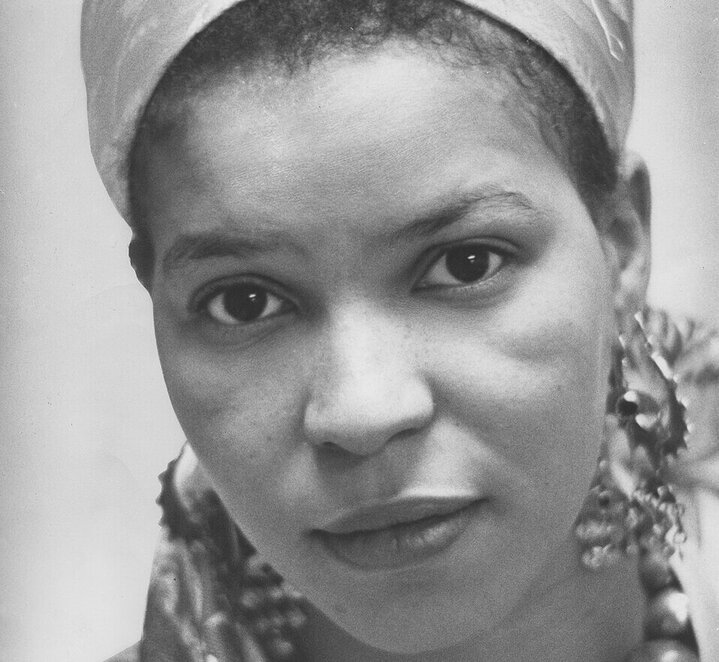
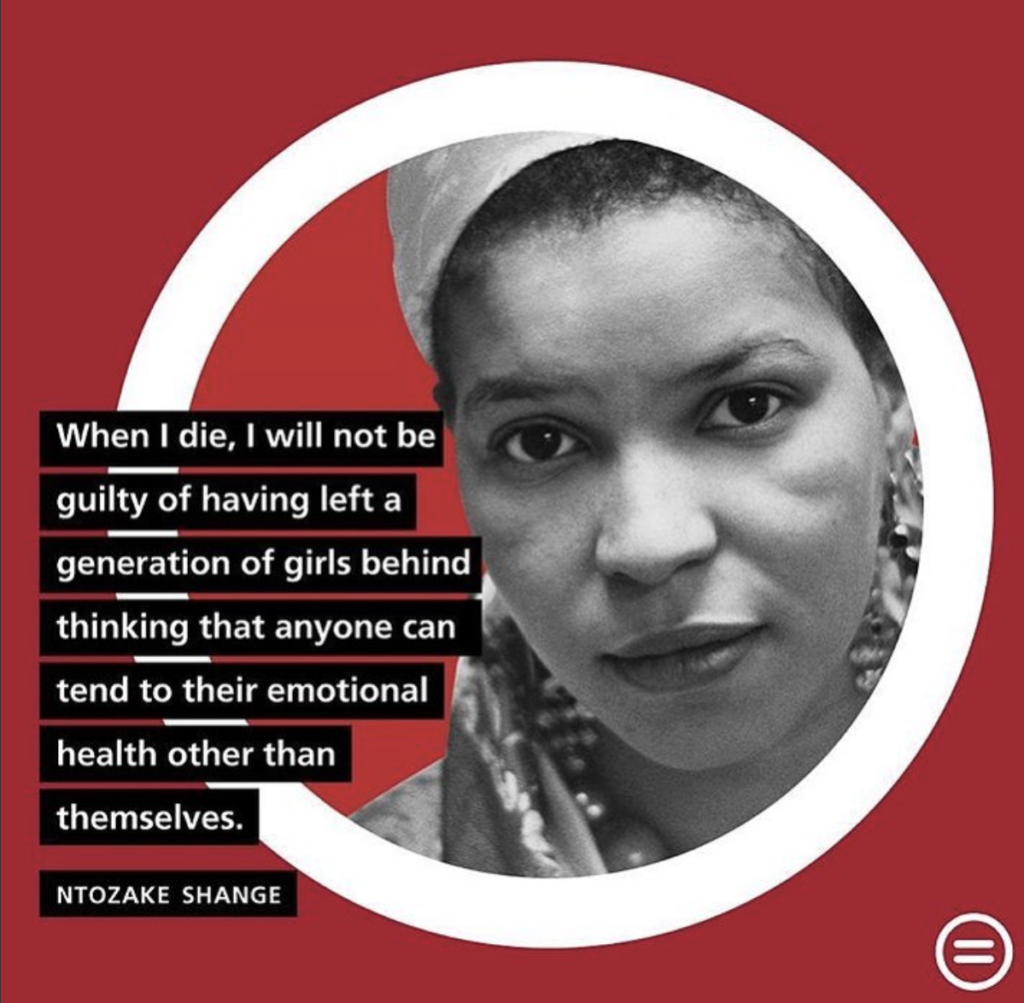
Ntozake Shange
Born Paulette Linda Williams, Shange adopted the name “Ntozake Shange” in 1971, rejecting her original name and adopting a new one derived from the Xhosa and Zulu languages. Selected by musicians Ndikho and Nomusa Xaba, her name translated to “she who comes with her own things” and “she who walks like a lion.” Raised in the arts, Shange took an early interest in poetry. After receiving a master’s degree in American Studies at UCLA, she returned to New York City where she is credited with founding the Nuyorican Poets Cafe, a nonprofit dedicated to Nuyorican art.
While there, she created her most famous work, the play “for colored girls who have considered suicide / when the rainbow is enuf.” Based on poetic movements, it tells the stories of seven women who suffered from racial and sexist oppression. Shange’s work has been published in various publications including Essence, The Chicago Tribune and VIBE. Her honors include a Shelley Memorial Award, a Pushcart Prize and a fellowship from the Guggenheim Foundation.

Rita Dove
Born in Akron, Ohio, in 1952, Dove earned her MFA in creative writing in 1977 at the University of Iowa after studying at Miami University in Ohio as a Presidential Scholar and the Universität Tübingen. Throughout her career, Dove has published several volumes of poetry, including the Pulitzer Prize-winning “Thomas and Beulah” and “Playlist for the Apocalypse.” Themes covered by Dove include history, race, culture, identity and everyday living. From 1993 to 1995, the poet was a U.S. Poet Laureate. From 1999 to 2000 and 2004 to 2006, she served as the Special Consultant in Poetry for the Library of Congress bicentennial and the Poet Laureate of Virginia, respectively. For her work, Dove has been the recipient of 29 honorary doctorates, the National Humanities Medal, the Fulbright Lifetime Achievement Medal, and the National Medal of Arts, among others.