






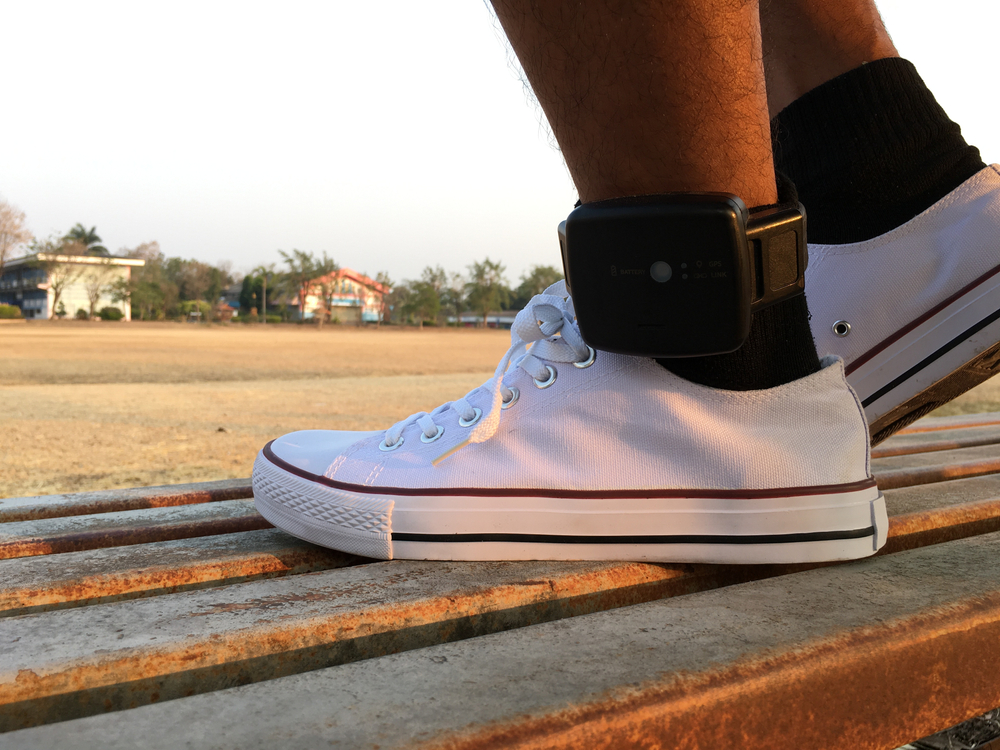
Haitian immigrants in the United States are being fitted with ankle monitors as hundreds of thousands face possible arrest and deportation following the Trump administration’s decision to end temporary protected status for Haiti.
In Springfield, Ohio, Immigration and Customs Enforcement personnel have required some Haitians to wear GPS-enabled monitors after reporting to an ICE field office in Blue Ash, about an hour away. The move comes as more than 300,000 Haitians have lost TPS protections that allowed them to legally live and work in the U.S.
“They’re very much ashamed of the ankle monitors,” said Viles Dorsainvil, executive director of the Haitian Support Center in Springfield, per MS NOW. “When they get home with them, they’re ashamed to show that to their kids because they’re not criminals.”
U.S. District Judge Ana Reyes confirmed Wednesday that her order blocking the Department of Homeland Security from ending TPS was no longer in effect after the Supreme Court cleared the way for the administration to terminate the protections.
“We’re going after them right now,” Homeland Security Secretary Markwayne Mullin said last week. “These individuals can either self-deport or we’ll arrest you and send you back. It’s that simple.”
TPS was created by Congress in 1990 to protect people already in the U.S. when war, natural disaster or other extraordinary conditions make returning home unsafe.

Haiti remains under the State Department’s highest-level “do not travel” advisory because of crime, kidnapping, terrorism, unrest and limited health care.
The loss of TPS is also affecting workplaces that have relied on Haitian employees. TPS holders across the U.S. have contributed an estimated $262 billion to the economy since 2001, according to FWD.us, with many working in industries including construction, health care and elder care.
Businesses now face losing workers whose employment authorization disappeared along with their immigration protections. The administration’s increased use of electronic monitoring has also drawn questions from immigration attorneys.
“We’re actually not sure yet how the immigration enforcement, CBP, and ICE are claiming to have the authority to impose these restrictions, impose the ankle monitor,” said Rebecca Bundy, supervising attorney at Advocates for Basic Legal Equality in Toledo.
Haitian advocates are now pushing Congress to intervene. A proposal extending TPS protections for Haitians passed the House in April, and supporters are urging the Senate to act.
“We work hard, we pay our taxes, we give back to our communities and we are a big part of the engine that keeps the United States workforce in many essential industries moving,” Haitian former TPS holder Josiane Valsaint wrote for The Guardian. “We deserve to stay here, with our families and loved ones.”
For many Haitian immigrants, Trump’s latest immigration crackdown follows years of rhetoric that has made their community a recurring target. In 2018, he ridiculed Haiti while challenging why the United States should accept immigrants from the country. During the 2024 presidential campaign, Trump turned his attention to Springfield, Ohio, on the debate stage, and falsely claimed Haitian immigrants there were stealing and eating people’s pets, a rumor local officials said had no credible evidence behind it.
“They’re eating the dogs, the people that came in, they’re eating the cats,” Trump said in response to a question about immigration. “They’re eating the pets of the people that live there, and this is what’s happening in our country, and it’s a shame.”
He later pledged mass deportations in Springfield.