






How to Go Plastic-Free (Almost) Overnight
Plastic is forever—literally.
When plastic bottles and bags break down, they don’t disappear; they just get smaller, nastier and way harder to avoid.
These tiny, toxic fragments, called microplastics, are now found in 80% of human blood samples.
“No one has clarified a causative relationship between microplastics and negative health outcomes,” Dr. Charis Chambers, an obstetrics and gynecology physician and chief medical officer at Clue, a popular, Berlin-based menstrual health platform and app, designed to help users monitor menstrual cycles, ovulation and fertility, explained in a recent interview. “However, there is mounting evidence, and I think that’s why we’re talking about it now,”
Dr. Chambers also called out some alarming findings from ongoing research that suggest microplastics might be interfering with our health in significant ways, particularly regarding fertility, metabolism and hormone balance. She says that these tiny particles, which have made their way into breast milk, the placenta, the endometrium and even ovaries, are raising serious concerns about how they affect our bodies.
We unknowingly ingest microplastics through our food and beverages, breathe them in and absorb them through our skin, making them a pervasive issue in our daily lives. And if that wasn’t enough, Dr. Chambers points out that pinpointing the exact health impacts of microplastics is extremely challenging because they often show up alongside other harmful chemicals that can also disrupt hormonal function.
This complex interplay makes it tough to determine specific causes, but the potential for inflammation and irritation in our organs adds another layer of concern.
So, this isn’t a drill, folks.
Here’s everything you need to know about how you can effectively protect yourself and your loved ones from the plastic pandemic in your blood, brain and breakfast, starting within the next 24 hours, according to the pros.
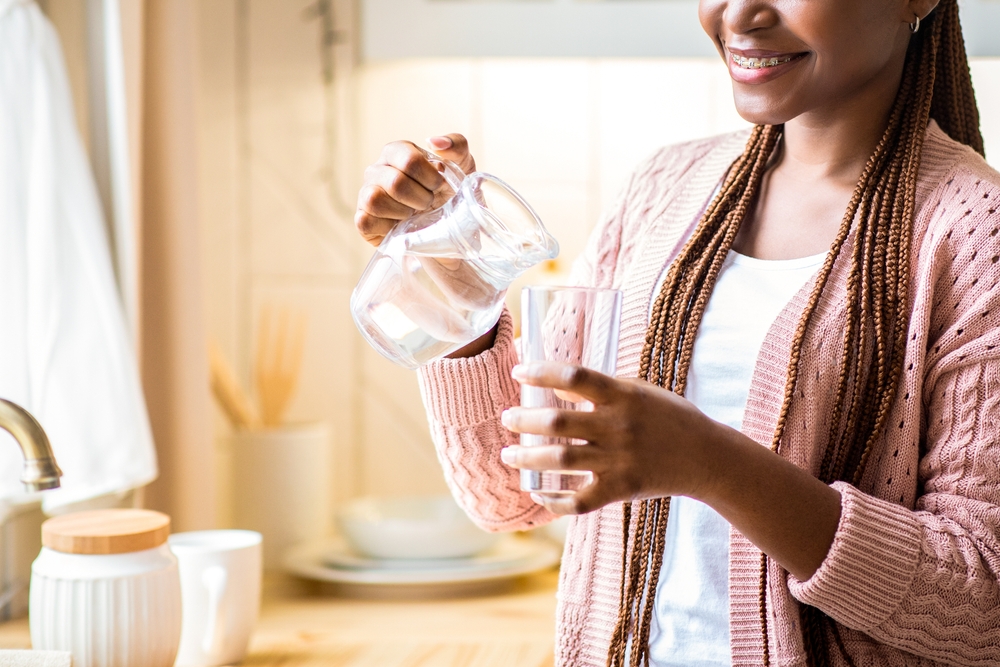
Switch to tap water if you can.
Think your bottled water is pure? Think again.
Recent studies found hundreds of thousands of nanoplastic particles lurking in a single liter of popular bottled water brands. These microscopic invaders, which shed whenever a bottle is stored, heated or even just handled, can slip past our natural defenses and enter our blood and cells.
It’s basically a plastic cocktail with every sip, suggesting our quest for hydration might actually be doing more harm than good.
Replace Tupperware and plastic utensils with different options.
Stop eating your own storage containers!
That trusty Tupperware and those black plastic takeout trays are basically a chemistry experiment in your microwave that can seep billions of tiny plastic particles straight into your food. This isn’t just invisible garbage; it’s a direct threat to your gut, literally destroying the mitochondria in human colon cells and wreaking havoc on your metabolic health. New studies even link this heat-activated toxin dump to a significantly higher risk of heart failure. It’s time to stop nuking your health and ditch the plastic.
Consider your non-stick pans.
Let’s talk about your pan’s toxic personality.
Non-stick cookware is great, but once that PTFE coating starts to chip or flake, it’s game over. That damage releases invisible microplastics that can contaminate your food, particularly when heated above 500°F (think high-heat searing). If your pan looks like it’s survived a war, it’s probably releasing way more than just breakfast.
When it comes to heating and cooking food, stainless steel and ceramic-friendly options are definitely the safest way to go. Brands like Mersi Cookware and Mi Dutchi offer fantastic selections! The best part? They’re both Black-owned.
Choose natural fabrics whenever you can.
Let’s take a look at your laundry.
Those everyday garments labeled spandex, polyester or fleece aren’t just fabric—they are essentially engineered plastic. Washing them releases tiny plastic fibers that pollute waterways and return to us via the food chain. This “hidden plastic” directly impacts our health by potentially leaching toxins directly into our skin and filling the air around us with synthetic dust.
The better, healthier alternative? Ditch the plastic threads and opt for natural fibers like cotton, wool, silk, or linen that protect you and the environment from this invisible danger.
Inspect your tea bags.
It’s time to break up with your tea bag—literally.
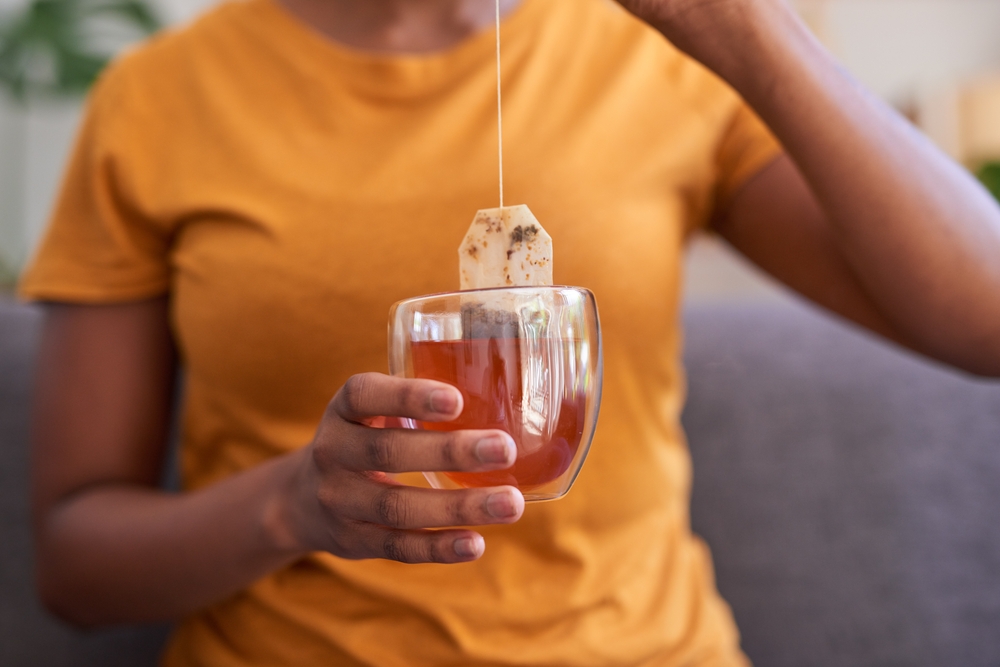
Those “silky” pyramid bags or ones with heat-sealed edges are often loaded with plastic materials. According to the National Institutes of Health, tea bags frequently have plastic in them, so when you put them in hot water, some of that plastic can leak into your cup of tea.
They also say that when picking out your favorite tea, it’s a good idea to check the packaging for ingredients like polypropylene, polyethylene and nylon, as these indicate that the product contains plastic. Bags that are pyramid-shaped or made of mesh typically use plastic materials and if you notice tea bags that are sealed without stitching, folding, or staples, there’s a good chance they contain plastic fibers as well.
But don’t panic – there are plenty of eco-friendly alternatives out there. Look for tea bags made from cornstarch, wood pulp or organic cotton. They’re great options that steer clear of plastic. And if you want to take your tea game to the next level, consider using loose-leaf tea like those offered at Calabash Tea + Tonic. Not only do they reduce waste, but they often result in a richer, more flavorful brew.

Check the ingredients in your personal care products.
We’re obsessed with what we put in our bodies, but what about what we put on them?
Whether it’s your daily lotion or your monthly hygiene products, those ‘unscented’ items might be masking some seriously sketchy, undisclosed chemicals.
It’s worth scrutinizing the ingredients in all of your personal care products,” Dr Chambers says. “Try to use products that have the least amount of plastics, bisphenol A (BPA) – a chemical used to make certain plastics – and other extra, unnecessary additives.”
For menstrual care, she urges opting for organic cotton or bamboo tampons. They can be a game-changer since around 90% of period products are made with plastic. Additionally, Dr. Chambers recommends switching to BPA-free menstrual cups or pads, which are worn externally, to limit exposure to potential toxins.
“Keeping these products away from the vaginal mucosa might decrease the amount of uptake from products with microplastics in them,” she suggests.
She also recommends thinking about using bar soap, shampoo bars or conditioner bars. Plus, try to choose products that come in glass, metal, ceramic or paper packaging whenever possible.
It’s time to demand better than toxic mystery mixtures that affect both our health and the environment. Reading the label means taking control of our wellbeing while also giving Mother Earth a much-needed breather.
Try to cut down on how much highly-processed foods you eat.
Ultra-processed foods (UPFs) have a lot more microplastics than whole foods because they touch plastics during their making and packaging.
A report from Stanford Medicine highlights how microplastics in ultra-processed foods (UPFs) can significantly harm our bodies. They can build up in organs, cause long-lasting inflammation, and interfere with our metabolism and immune system. These tiny particles can also carry harmful chemicals, like bisphenols and phthalates, which act like hormones and can damage our cells, especially affecting the gut lining.
Switching to a diet that focuses on mostly whole foods like fruits, vegetables, nuts, grains, and legumes are packed with nutrients that processed foods just can’t compete with. Plus, they come with way less packaging, which is a win for reducing waste and being kinder to our environment.
Increase your fiber intake.
New research suggests that upping our dietary fiber intake could be a game-changer in reducing the amount of microplastics lurking in our bodies.
How does this work? Fiber has a knack for binding to these pesky particles in our intestines, helping to flush them out through our stool. By keeping our digestive system in top shape, fiber ensures that food – and any unwelcome microplastics – don’t hang around in our intestines longer than they need to.
Plus, a fiber-rich diet works wonders for strengthening the gut barrier by promoting the health of our gut bacteria. This is super important because a healthy gut flora helps prevent microplastics from sneaking into the bloodstream.
Use a vacuum that has a HEPA filter.
Look around. Your cozy polyester sweater, the plush carpet and even that vintage acrylic blanket are secretly sabotaging your indoor air quality.
Every time you move, wear or wash these textiles, they are shedding thousands of microscopic plastic threads, literally turning your home into a synthetic fiber factory. We aren’t just wearing plastic; we are shedding it, breathing it and potentially eating it, with some studies suggesting up to 33% of indoor dust is actually degraded textile fiber.”This is a sneaky way that these pollutants can enter our bodies without us even realizing it!
If you’ve got the budget for it, investing in a vacuum equipped with a HEPA filter is a smart move. Regular vacuums may pick up dust, but they often blow the tiniest particles back into the air, which defeats the purpose of cleaning. HEPA filters, on the other hand, are designed to trap those minuscule bits, ensuring that your home stays as clean and safe as possible. So, when you’re on the hunt for a new vacuum, consider one that prioritizes air quality as much as it does dirt removal…your lungs will thank you!