





Article by media partner Cuisine Noir, the country’s first Black culinary lifestyle outlet since 2009 dedicated to connecting the African diaspora through food, drink and travel.
Food is a powerful tool for connection. This is never more true than when it applies to the Black recipes that hold places of honor on our tables. But what would happen if that favorite dessert or casserole simply disappeared?
“A lot of times, people would say, ‘Oh, my grandma makes this recipe’ [because] they never made the recipe themselves. So when grandma passes, it’s gone,” observes Sonja Norwood, the digital creator behind Wick’d Confections and the viral “Lost Black American Recipes” series on Instagram and Tiktok.
She says many individuals’ connections to these lost recipes were through elders who they did not learn from directly. “What I noticed about our society now is we’re very individualistic and [our ancestors] were not. They were very community driven. That’s why a lot of these recipes were lost, because the community was lost. We’re losing recipes,” she states about the urgency of keeping these old recipes from fading away. So she did something about it.
This year during Black History Month, the Houston, Texas, native blew up social media with her “Lost Black American Recipes” series, which turned the spotlight on obscure recipes disappearing from Black cuisine.
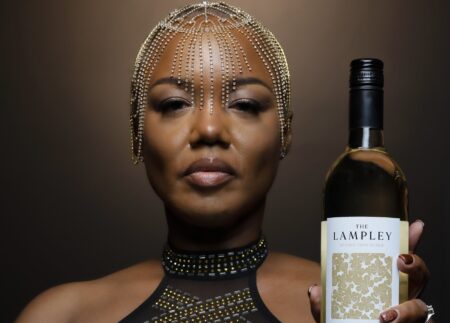
With her deadpan yet saucy delivery and glamorous hair and makeup, Norwood breaks down the “lost recipes” in her 15-30 seconds videos. She’d share a brief history while filming the steps to prepare them, then post the full recipe in the captions of each video. It was a hit and her social media reach swelled to 956,000 followers on Instagram and 1.2 million followers on TikTok, as of this writing.
Searching For Lost Recipes
It all started when Norwood saw a YouTube video about vinegar pie. “They were talking about the Black American connection to it, but didn’t say how to make the pie. It just said, ‘Oh, vinegar pie, Black people made this.’ So I was like, ‘You know what? I’m going to make that for Black History Month,'” she shares about the inspiration behind her popular digital series.
But Norwood, a decorative cookie baker who competed on the Food Network’s “Christmas Cookie Challenge,” went beyond just making the pie. Instead, she dug deeper into the recipe’s history. What she found was that vinegar pie, a.k.a. “desperation pie,” was born from necessity “when fruit and citrus were scarce and home cooks used simple pantry staples to create something sweet, comforting and joyful.”
That lore behind the recipe was what resonated with Norwood’s followers. “So many people were sharing their stories in the comments…And I realized, ‘Wow, this is really fulfilling a need for people,’” she says.
Due to the high demand, and how the series helped individuals connect with their history, the self-taught baker posted a new video from her “Lost Black American Recipes” series daily throughout Black History Month. Some of the intriguing lost recipes she’s spotlighted include Burnt Sugar Cake, Sweet Potato Slump, Chicken Mull, Rice Johnny and Black Berry Dumplings.
By Jocelyn Amador