


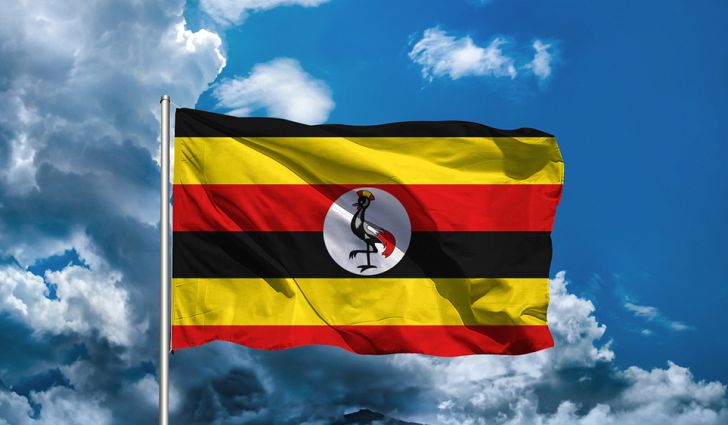
Uganda gained its independence on October 9, 1962. Prior to independence, it was an established British protectorate in 1894 that was put together by organized kingdoms and chiefs in regions of central Africa.
The country is bordered by South Sudan to the north, Kenya to the east, Tanzania and Rwanda to the south, and the Democratic Republic of the Congo to the west. Kampala serves as the country’s capital city.
During the period of Buganda’s (a small state in Uganda) rise, the first Swahili-speaking traders came from the east coast of Africa and reached the country in the 1840s. They arrived looking to trade in ivory and human beings (slaves).
British explorer John Hanning Speke was the first European to visit Buganda in 1862 and by 1875, King Mutesa I of Buganda was allowing Christian missionaries to enter the region. In 1890, Britain and Germany signed a treaty that gave Britain rights to what was to become Uganda.
Uganda became a British protectorate in the late 1890s and by 1900 Buganda was given its autonomy and converted into a constitutional monarchy that was controlled primarily by a Protestant chief. The Eastern province of Uganda was transferred to Kenya.
In 1903, British Colonial Secretary Joseph Chamberlin offered a Zionist group led by Theodore Herzl, British Uganda as a Jewish homeland. The offer was a response to pogroms against Jews in Russia. The British Uganda Program never manifested.
Uganda was given a legislative council but did not have an African member until 1945. The rulers in the kingdom of Buganda began pressing for independence from Uganda, which presented a problem for the future of the protectorate and led to full internal self-government.
In October of 1962, Uganda became independent and Apollo Milton Obote served as the first prime minister. Buganda was enjoying considerable autonomy during this time. The following year, Uganda became a republic with Buganda’s King Mutesa serving as the president.
Milton Obote would eventually end Buganda’s autonomy and began promoting himself for the presidency. The new constitution established in 1967 gave considerable power to the president. Obote was overthrown in a military coup led by Army chief Idi Amin and engaged in border clashes with Tanzania.
Clashes with Tanzania, involvement with Somalia, political protest and unrest have occurred for much of Uganda’s time after gaining independence. In 1986 National Resistance Army rebels take over Kampala and install Yoweri Museveni as president. Museveni has been serving in this role ever since.