




This Day In History: July 5th
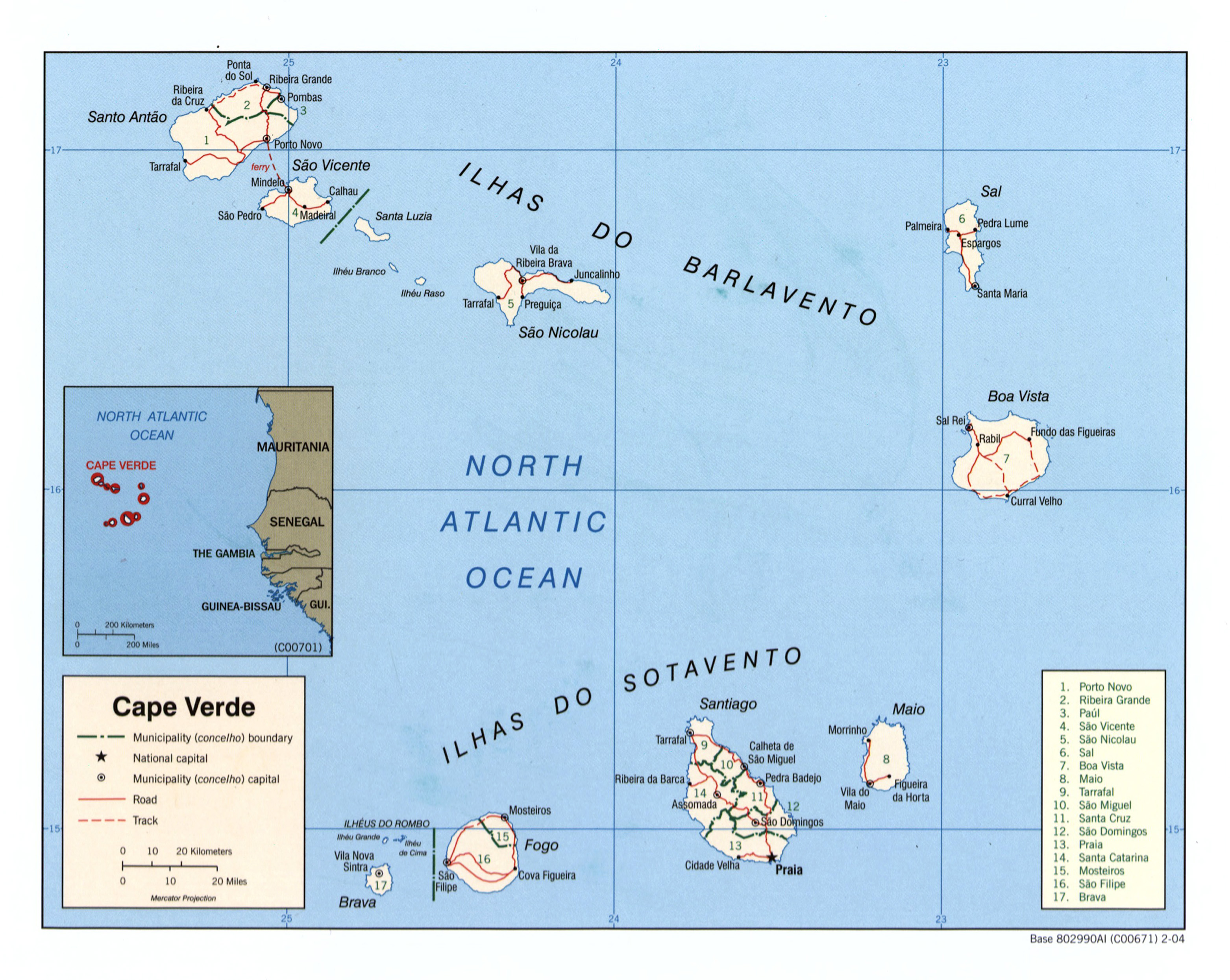
The island country of Cape Verde, also known as Cabo Verde, gained its independence from Portugal on July 5, 1975. Cape Verde consists of volcanic islands off the western coast of Africa.
Before the mid-1400s, the area was uninhabited and subsequently colonized by the Portuguese. Portuguese settlers arrived and began establishing the first permanent European settlements on the island. By 1495, Cape Verde had become a crown colony, and soon after, it emerged as a major trading center for enslaved Africans.
Cape Verde served as a stopping point in the Atlantic slave trade and a place to restock ships going to the Americas. The island remained a crown colony, but by the end of World War II, the need for independence was on the rise.

In 1951, Portugal changed Cape Verde’s status from a colony to an overseas province in an effort to limit the growing political tensions. Cape Verde also had the support of Portuguese Guinea, a neighboring colony seeking liberation. With both colonies sharing similar interests, Amilcar Cabral co-founded the African Party for Independence of Guinea and Cape Verde (Partido Africano para a Independência da Guiné e Cabo Verde; PAIGC) in 1965. Cabral was a native of Cape Verde who opposed Portuguese rule.
The PAIGC sought improved living conditions for the people of Cape Verde and Portuguese Guinea. Portuguese Guinea was the first to declare independence following a war in 1973. However, Portugal had to re-evaluate its strategy in handling overseas territories due to the outbreak of revolution on the home front. In 1974, the PAIGC and Portugal arranged for a transitional government to be ushered in with the inclusion of Cape Verdeans.
On July 5, 1975, Cape Verde received independence from Portugal and adopted a constitution that created unity with their former ally, Guinea-Bissau. However, efforts for unity were ended by the 1980s, and a new constitution calling for a multi-party system was created in 1992. In the years following independence, the Movement for Democracy was established and remains a major figure in Cape Verde’s political makeup.