



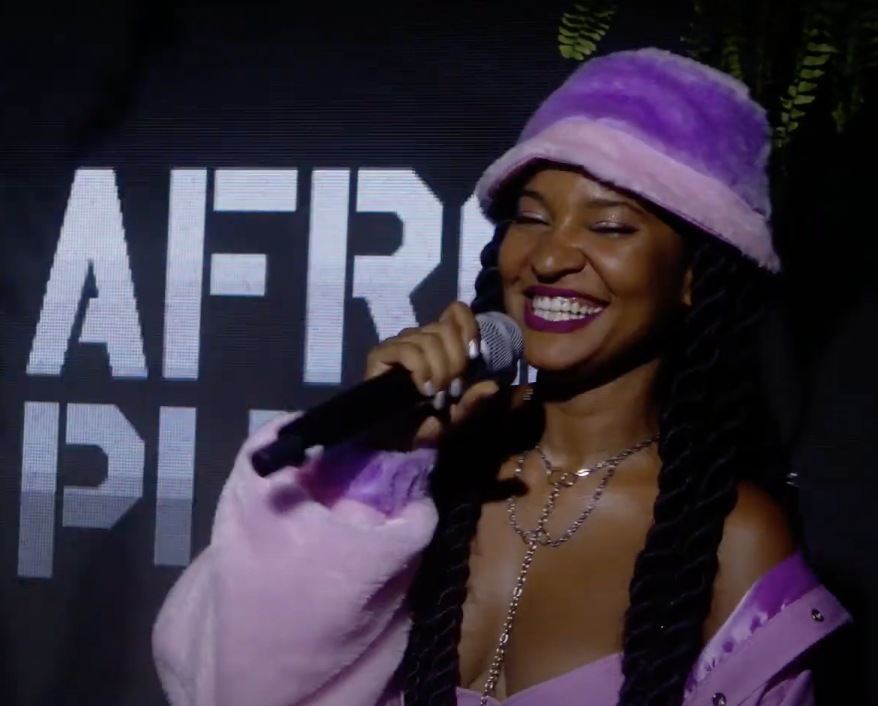
Afropunk has landed in Salvador Bahia. A hybrid event, Afropunk Bahia had a limited capacity live show which was simultaneously aired live on Youtube.
The international cultural festival began as a small documentary film exploring the Black origins of the mostly white punk music subculture.
The success of the documentary evolved into a music festival in 2005 at the Brooklyn Academy of Music. This first festival was free to the public which at the time was the Black punk rock community in the United States who were loyal fans to bands like Fishbone, 24-7 Spyz, and the protopunk group, Death.
Much has changed since the festival’s humble and hyper-focused origins. Sixteen years later, a large crowd, adorned in Afrofuturistic fits, gathered at the Salvador Convention Center to watch a variety of musical acts from all around Brazil.
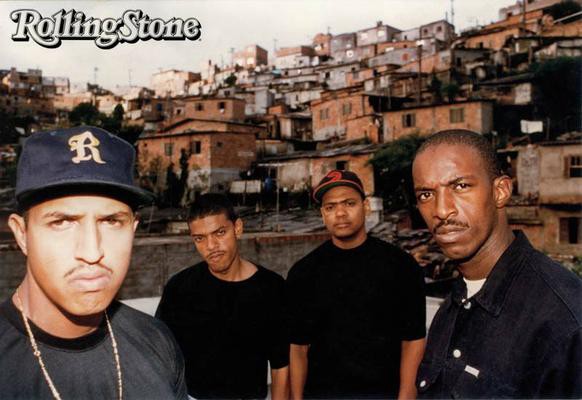
Musicians including Margareth Menezes, Luedji Luna, Ilê Aiyê primed the hip crowd for the Main event, Mano Brown, frontman of the legendary hip hop group, Racionais MCs
Smaller acts like Tássia Reis, Duchess, Yoún, and Malia performed and represented the various popular styles of Black culture in contemporary Brazil.
The musical producer of the event, Enio Nogueira, sought to direct a unified show.
“This festival goes far beyond having musical attractions. It has a much more affirmative context, of this need that our people have to reach our greatest potential” he explained to local news outlets
This year, the event was notably dedicated to conductor Letieres Leite, who died of covid-19 complications last month. The rebroadcast can be seen on their Youtube channel.