





Members of the Congressional Black Caucus Chair released a collective statement earlier this week, urging the Trump administration to resume providing food aid to Somali citizens.
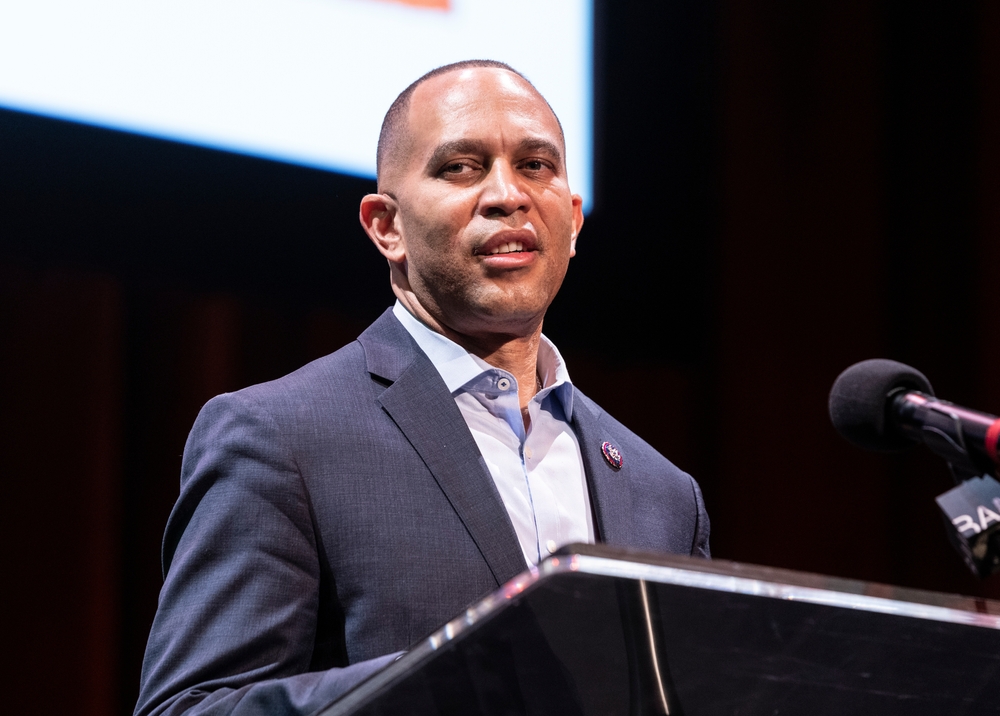
Published on Wednesday, the statement was penned by the Congressional Black Caucus Chair, Yvette D. Clarke (NY-09), in partnership with other members of the group, including Rep. Maxine Waters (CA-43) and Rep. Hakeem Jeffries (NY-08).
In the press release, they acknowledged reports that the Somali Federal government allegedly destroyed a U.S.-funded World Food Program warehouse.
Reported by the BBC, Somali officials allegedly seized 76 tons of food intended for “vulnerable” Somali citizens. A spokesperson for the Somali government denied the allegations, claiming that construction work at the Mogadishu port did not affect the storage area for the aid.
A WFP staff member confirmed to the BBC that no aid had been stolen.
The U.S., in return, announced that it would cease all assistance to Somalia, stating that it would resume only if Somali officials “took accountability” and “appropriate remedial steps.”
The Congressional Black Caucus, however, urged the administration to consider the consequences of failing to provide aid to Somali citizens.
“Cutting off humanitarian assistance risks exacerbating conflict and instability in a country where nearly five million people require lifesaving aid to survive,” wrote the group. “The Congressional Black Caucus remains committed to supporting policies that promote human rights across the African continent.”
As of the fiscal year 2025, the U.S. dedicated $65 million in emergency cash-based food assistance to Somalia.
As of now, approximately 4.6 million people in the country face crisis-level food insecurity, according to the World Food Program. An additional 1.8 million children under 5 are also malnourished.
The hunger crisis in the country has been exacerbated by the presence of the armed group Al-Shabab. Engaged in battle with the Somali government, per Human Rights Watch, the group has helmed multiple “unlawful attacks,” killing hundreds of civilians and displacing thousands others. Al-Shabab has also been connected to inter-clan conflict and abuses against children, girls and women.
Multiple towns, including Tardo and Moqokori, have already been captured by the group.
Along with the ongoing civil war, the food crisis is being worsened by the country’s climate. According to the United Nations, last year, on Nov. 10, the federal government declared a drought emergency after the country had not received rain for over a year. With the drought, there is both a lack of water and a lack of vegetation.
In towns such as Puntland alone, at least 130,000 people are in life-threatening need of food.
With the U.S.’ recent withdrawal of humanitarian assistance, thousands of Somali citizens are expected to be affected as the hunger crisis is expected to grow.