






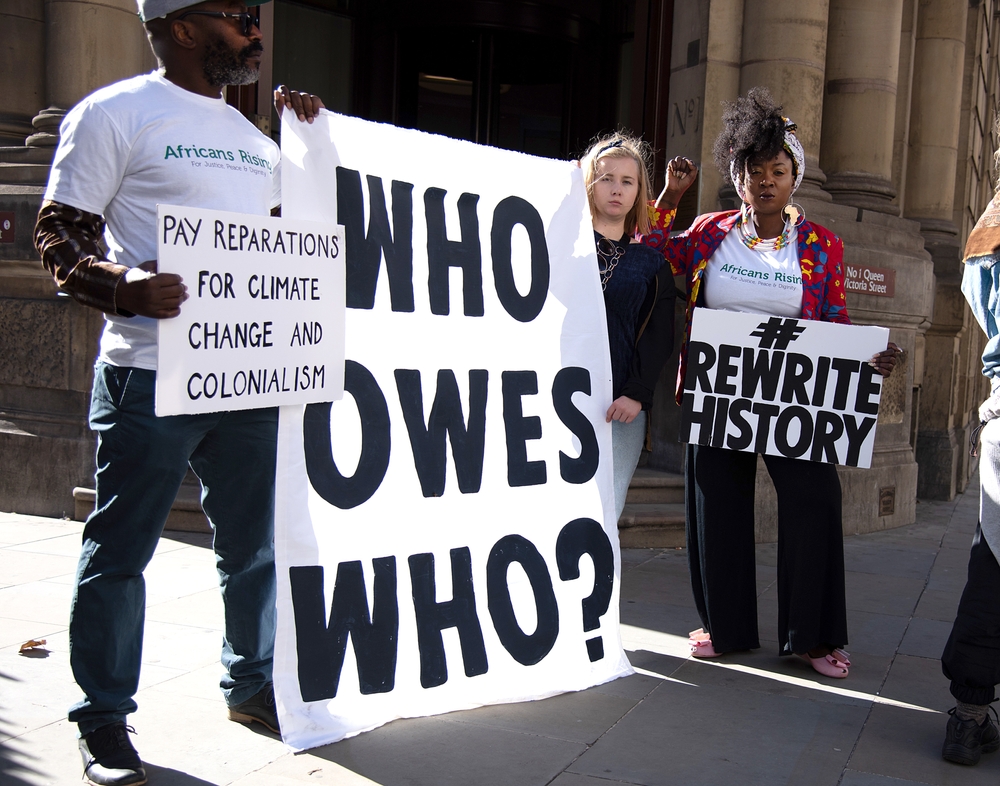
The Alameda County Board of Supervisors passed a set of reparations aimed at addressing the county’s history of racial inequities.
Passed unanimously, the reparations will not hand out monetary checks. Instead, the reparations will reportedly be used to create policies to implement institutional change. County leaders will be tasked with overseeing the changes. A permanent committee will be created and an equity assessment will be held.
Among the inequities that will be addressed are housing, business ownership, and mental health. Initiatives include addressing the wealth gap by providing increased support to Black-owned businesses, providing payment assistance and addressing redlining and displacement. Other goals include restitution for wrongful convictions, changes to the criminal justice system and making education more accessible.
Reformations were informed by data and community listening sessions featuring community members directly impacted by the inequities.
“Our expectation is the opportunities that exist for you are the same for everybody else—the ability to buy a home, to get the job, to get the training, to get healthcare,” said the chair of the Alameda County Reparations Commission, Debra Gore, per NBC. “It’s shifting the way that it looks at the harms it does and the repairs to make. That shift is overdue. It has to be done at the county level.”
The announcement of reparations in Alameda County comes two weeks after the federal government requested that the Illinois reparations program be halted. Considered the first reparations program in the country, the city of Evanston allocated $20 million to Black residents to address discriminatory policies enacted by the city from 1919 to 1969.
In a court filing, the federal government had a judge halt the program, alleging that it was a violation to the Equal Protection Clause of the U.S. Constitution since it used race as a qualification.
Former politician and reparations leader Robin Rue Simmons, however, argued that Black residents were historically impacted by policies such as redlining, denying them equal opportunities such as access to high-paying jobs, healthcare and education.
She went on to call the lawsuit and the federal government’s support for it a “fear tactic” to dissuade other cities from providing reparations.
“Evanston has set a new precedent,” Simmons said per A.P. News. “It has shown that racial reparations are possible.”
No hearing date is currently scheduled, but the Northern District and the United States have until July 20 and August 3 to respond to the motions, respectively.