






Ever thought about asking a chatbot to plan your meals because you’re tired of the guesswork?
You aren’t the only one!
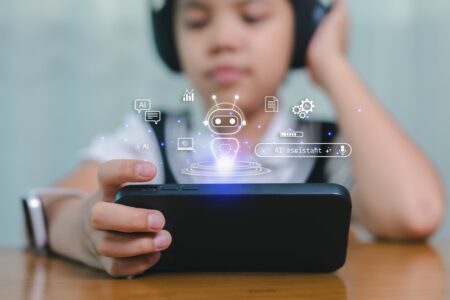
As more people look for quick solutions in this fast-paced world, it’s becoming common for our young folk to turn to AI for meal plans too, especially when it comes to weight loss tips.
However, while the convenience is definitely tempting, there are major risks involved for our kiddos. Chances are, they aren’t getting advice from certified nutritionists but rather from AI models that are dishing out overly generic, digital recipes that could do more harm than good. As it turns out, recent developments have revealed that relying on an algorithm to manage growing bodies is a risky move that might lead to a slew of health complications down the line.
The Unlikely Diet Guru
A new study has shown some worrying results about the meal plans created by AI for teenagers who want to lose weight. According to research published in the journal Frontiers in Nutrition, this “click-to-eat” information often falls dramatically short of the necessary caloric and nutritional intake teens need to stay healthy. On average, their suggestions contained far less calories per day than what a human dietitian would recommend, as pointed out by Dr. Ayşe Betül Bilen, the study’s lead author and assistant professor at Istanbul Atlas University, in a recent interview with CNN.
This gap raises the alarms about the potential risks of relying on AI for dietary guidance, especially during a crucial developmental phase like adolescence. It seems that while technology can offer convenience and accessibility, it may miss the mark when it comes to the nuanced nutritional needs of a developing metabolism – values that trained professionals bring to the table and complexities that AI simply can’t replicate.
There’s also increasing concern about the number of teenagers seeking ways to lose weight. CNN reports that a study published in January shows that nearly 48% of teens aged 16 and older have attempted to shed some pounds in the past year. Adding to that, a Pew Research Center survey found that about two-thirds of teens are using chatbots, with around 30% connecting with them on a daily basis. Given this trend, it’s no surprise that many young people are seeking out these AI-driven tools for dieting advice too. While it might seem like a handy shortcut, it brings up important questions about the reliability of the information they’re getting and the potential impact on their body image and long term physical and mental health.
“While these technologies can be useful for general information, they should not replace professional guidance – especially for children and adolescents whose nutritional needs are unique,” Bilen told CNN.
‘Alexa, Can You Give Me a 3-day Nutrition Plan?’
Bilen and her team evaluated three-day meal plans generated by five popular, free chatbots: ChatGPT-4o, Gemini 2.5 Pro, Claude 4.1, Bing Chat-5GPT, and Perplexity. (The prompts were written in Turkish but translated into English for the study report). They were designed for four hypothetical 15-year-olds, two of whom were classified as overweight and two as obese, with each group having one male and one female. The meal plans from the chatbots were then compared to one-day meal plans created by a dietitian for each teenager.
“Even though the models differed in many ways, they often produced a similar imbalance,” Bilen explained in an interview with Science News. “Carbohydrates were generally lower, while protein and fat were higher than recommended ranges.”
She also added that, on average, the AI meal plans had a staggering deficit of 695 calories per day compared to the dietitian’s plan, which is nearly the same as the calories in a full meal.
The ‘Double Tap’ Diet Trap
“Adolescence is a critical period for growth, bone development and brain development, and restrictive or unbalanced diets can interfere with those processes,” Bilen explained to the non-profit publication.
Stephanie Partridge, a researcher in public health and nutrition at the University of Sydney, underscored these warnings. She noted that even if AI tools provide improved nutritional advice, there are still dangers for teenagers who use them for weight loss.
“Young people should not be undertaking any sort of restrictive eating, unless it’s in a supervised way with health professionals,” she says.
Partridge is emphasizing the critical role dietitians play when it comes to crafting a diet plan for teenagers – there’s a lot more to consider than what teens or AI tools might take into account. Factors like underlying health issues, financial circumstances and family dynamics are important factors in shaping a suitable diet plan for young people. It’s not just about what’s trendy; those personalized insights can make all the difference.
She also points out that the potential risks for teens developing a negative relationship with food while on restrictive diets is a major red flag. When young people turn to AI-recommended diets, they might end up falling into unhealthy eating patterns, which is especially concerning since weight loss can already be a tricky journey for adolescents. Without the guidance of a doctor or knowledgeable dietitian, teens run the risk of unintentionally cultivating disordered eating habits.
Finding Support Outside the Algorithm
To assist your teenager in avoiding dependence on AI for nutritional advice, the American Psychological Association suggests focusing on open communication and education. The steps outlined below can serve as a solid jumping-off point.
Foster a supportive environment by discussing the limitations of AI, explaining that while it can generate answers based on data, it lacks the professional expertise that a nutritionist or doctor provides. This encourages critical thinking because not only are you emphasizing how AI may inadvertently suggest limited or unhealthy diets, you’re encouraging connections with real-world professionals that can provide accurate guidance tailored to their specific needs.
Modeling healthy eating habits at home is crucial. Avoid “diet talk”; and instead, demonstrate balanced, intuitive eating behaviors.
Engaging with AI together can be a great way for you and your youngster to navigate the digital landscape because you can take steps to establish tech boundaries collaboratively which helps them feel involved rather than constrained. Lastly, maintaining a curious attitude is essential; instead of lecturing, ask them about the apps they use and their reasoning behind those choices.
This approach not only reinforces trust but also creates a foundation for healthy discussions about nutrition and technology.
Additional Resources
The Center for Black Health & Equity
Black Parents United Foundation
African American Health Program (AAHP) – Healthy Family, Healthy Kids