


Colin Kaepernick has spent nearly a decade being asked about the protest that changed the course of his football career.
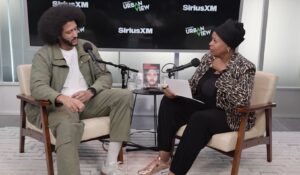
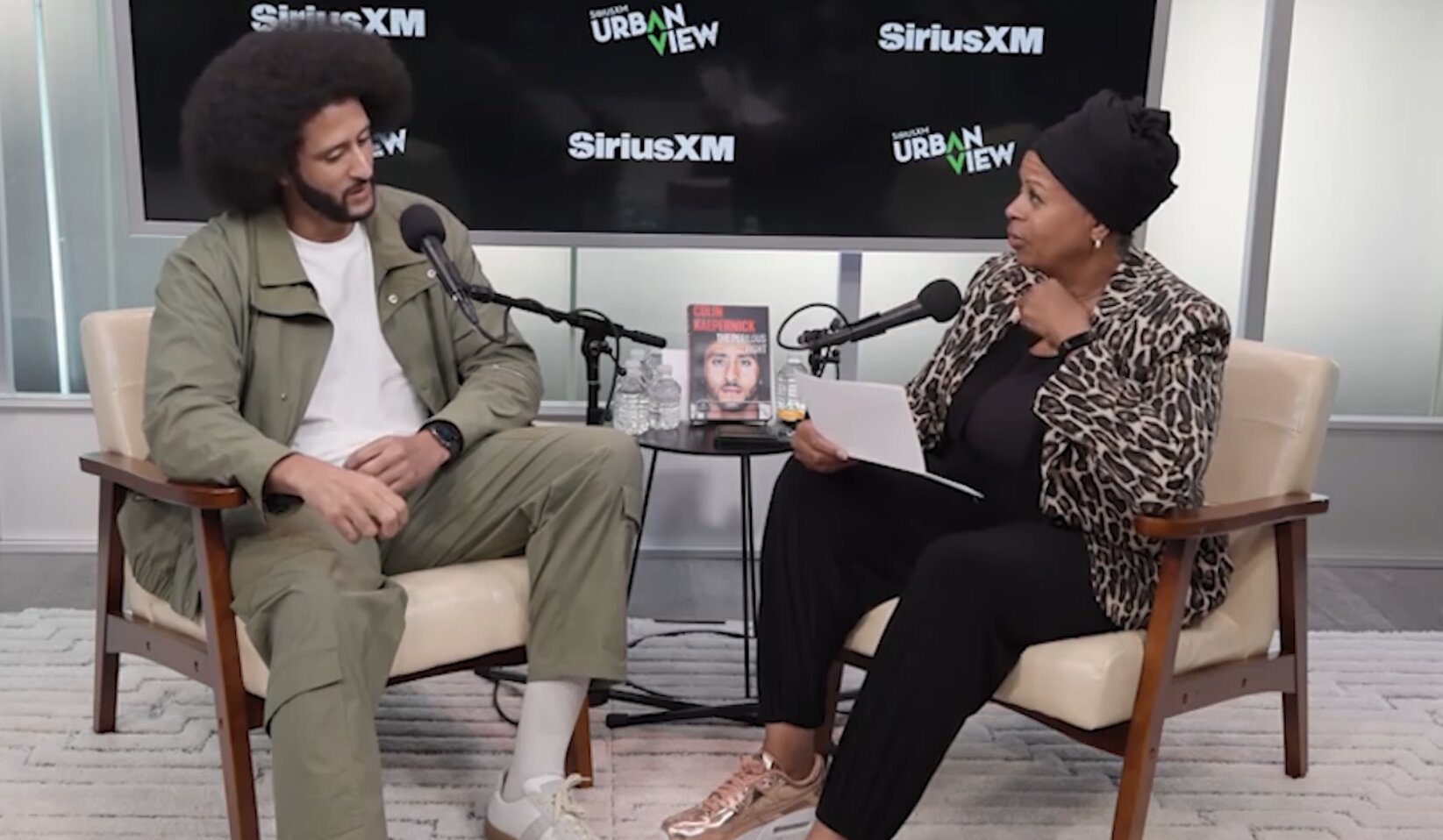
In an intimate sit-down with Karen Hunter on SiriusXM Urban View, the former NFL quarterback and activist made clear that while he is still thinking about that moment, his purpose goes far beyond that.
While discussing his new book, “The Perilous Fight,” Kaepernick opened up about his Black identity, his upbringing in a white adoptive family, the people who shaped his political education and what collective action can accomplish.
Here are five things we learned from the conversation.
Kaepernick wants his new book to be more than an explanation of 2016.
Kaepernick said years of questions about his protest helped inspire “The Perilous Fight.”
“Why did you protest? What was on the other side of it? What were all the inner workings and conversations that were happening?” he recalled people asking. But Kaepernick said the book is also meant to share what he learned about “building power,” “building movements” and pursuing systems change.
“A lot of those things I had to learn on the fly,” he said, adding that he hopes others can avoid some of the “landmines and pitfalls” he encountered.
He knew speaking out could cost him, even if he could not predict how big the backlash would become.
Kaepernick revealed that he was “prepared for what was on the other side” when questions about his refusal to stand for the national anthem began, but acknowledged that he could not have anticipated “the scale and magnitude” of what followed.
He also remembered the care the reporter showed when he approached him about the protest. According to Kaepernick, the reporter pulled him aside privately and warned him about what could happen once he answered.
“He was very intentional in the approach to make sure that he wasn’t setting me up for failure,” Kaepernick said.
Kaepernick also credited former teammate Eric Reid with suggesting that he kneel. Reid later joined him in the protest and continued kneeling after Kaepernick was no longer playing in the league.
His Black identity was clear to him long before he had the language to explain race.
Asked how he identifies, Kaepernick did not hesitate.
“I identify as a Black man,” he said. “It’s how I show up in the world. It’s how I’m treated in the world.”
Kaepernick said his white adoptive parents knew he was Black but operated with a sense of colorblindness inside their home. Outside of the home, he said, his experience was different.
“I wasn’t getting the insights as far as how to navigate the world as a Black man,” he told Hunter. “I had to figure out and navigate that by myself.” Kaepernick remembered coloring himself brown while coloring the rest of his family white as a child, an experience that later became the basis for his children’s book, “I Color Myself Different.”
Nessa introduced him to a book that changed how he understood his life.
When Hunter asked who had “radicalized” him, Kaepernick credited his wife, Nessa, with introducing him to “The Autobiography of Malcolm X.”
It “completely changed my life,” he shared.
The book, Kaepernick explained, gave him context for experiences he had previously viewed as isolated moments. “They were put in broader context of the U.S. as a political system, racism and white supremacy as a global political belief and influence,” he explained.
It also led him to question some of what he had previously been taught and deepen his reading about race, history and power.
Collective power remains at the center of how Kaepernick sees change.
One idea kept resurfacing throughout Hunter’s interview with Kaepernick: People have more leverage when they act together. He applied that thinking to NFL players, arguing that the league’s predominantly Black workforce has enormous potential power.
“If players went out and said, ‘We’re not playing this Sunday,’” Kaepernick noted, “the financial impact to the NFL, there will be change by Monday.”
His belief in collective action also extends beyond football. Kaepernick said Target pulled his book because of an existing community boycott and argued that economic pressure can force corporations to reconsider their decisions.
“If you affect the bottom line, they have to think about their approach differently,” he went on.
That philosophy also helps explain why, nearly 10 years after his protest became a national story, Kaepernick still speaks about his experience as something larger than one athlete, one football league, or one moment.
“We have to build spaces where we have control of our destiny,” he told Hunter, “where we have the opportunity for self-determination.”
Stream the full interview below.